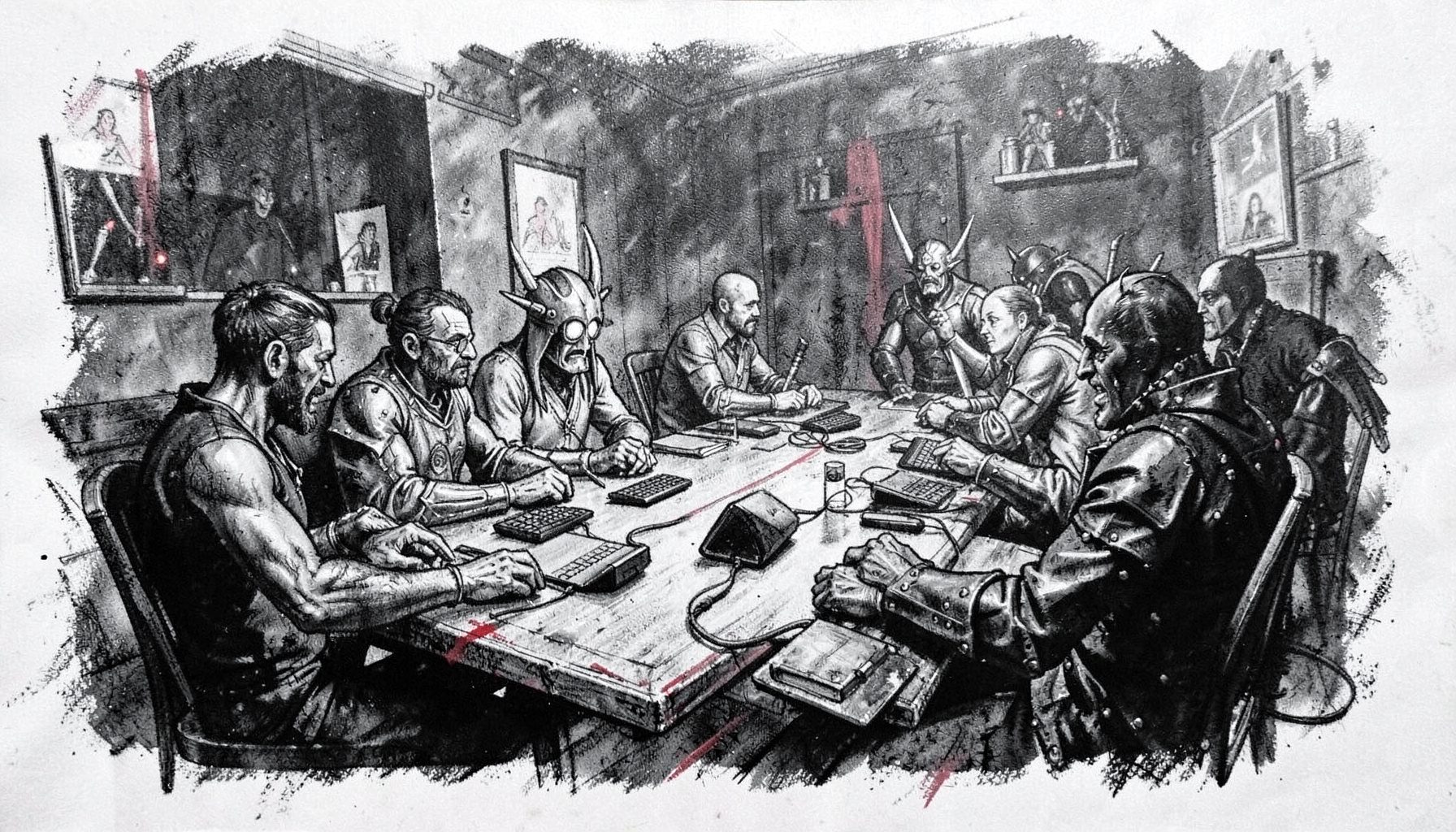
Facilitate sensitive panels with care and clarity
Sensitive discussions at gaming conventions can deepen trust when participants feel respected, but a poorly framed panel can turn lived experience into spectacle. Facilitation therefore combines clear preparation, careful boundaries and calm intervention. The aim is not to avoid disagreement; it is to create conditions where people can speak about difficult subjects, ask useful questions and leave with practical support rather than an unresolved clash.
The 2018 High Level Games Convention at Atlantic City’s Showboat Hotel brought together tabletop role-players, live-action players, designers, artists, publishers and vendors, with panels, workshops, LARP experiences and escape rooms sharing one programme. Its emphasis on inclusive participation and collaborative storytelling offers a useful model for Australian events. The High Level Games Convention also shows why community-led sessions benefit from the same care expected in professional conferences.
Useful facilitation begins before anyone speaks. Define the subject, identify who may be affected, decide what the panel can achieve and tell attendees how participation, recording and questions will work. A strong moderator protects equal voice without pretending that every contribution carries identical risk. That balance lets a conversation remain candid while keeping personal boundaries intact.
| Format | Strongest use | Likely pressure point | Moderator emphasis |
|---|---|---|---|
| Expert briefing | Explaining policy or evidence | Discussion may become abstract | Separate evidence from opinion |
| Lived-experience panel | Comparing personal impacts | Tokenism or unwanted disclosure | Protect agency and equal voice |
| Facilitated round table | Working through disagreement | One participant may dominate | Use structured turn-taking |
| Small-group workshop | Developing practical actions | Quiet or excluded attendees | Offer several ways to contribute |
| Anonymous question session | Surfacing concerns quickly | Questions may feel unfiltered | Screen questions without silencing valid criticism |
Set the purpose before selecting speakers
Start with a one-page brief that defines the subject, the audience and the intended result. Is the session meant to explain a policy, compare experiences, identify practical changes or build peer support? These aims require different formats, and mixing them can leave speakers answering questions they were never briefed on.
Invite people with relevant lived experience alongside subject experts, then co-design the questions with them. No participant should be asked to represent an entire culture or identity. Australian tabletop shops, small presses and volunteer-run conventions often make this work possible through community networks, so recognise and compensate community labour rather than treating it as free content.
Ask a small group of advisers to test the framing, identify likely harm and flag missing perspectives. Include people who may encounter the issue through gaming, such as event staff, moderators and accessibility workers. Record what success means in practical terms: clearer language, a usable resource, a change to a policy or a safer convention procedure.
Establish consent boundaries and support
Publish a plain-English participation and recording notice before ticket sales or registration open. Explain the subject, expected themes, ground rules, recording arrangements and the option to pass on a question. Give participants a private way to request an adjustment or withdraw from a recorded portion. “Do not ask me about my trauma” is a boundary; a code of conduct backed by a visible moderation process makes that boundary credible.
Privacy law in Australia involves the Privacy Act 1988 and the Australian Privacy Principles where applicable, along with state and territory privacy regimes. Avoid promising absolute confidentiality, since safety duties, legal processes and organisational policies may limit it. Guidance on polishing tabletop scenarios illustrates the value of testing material in advance, including where details might expose or distress participants.
Offer speakers a briefing session, a named moderator and, where possible, a support person. Prepare a private break area and relevant Australian support resources, but do not assign a panelist the role of representative for everyone affected by an issue. Moderators should know who can authorise a pause, relocation or removal from the room.
Prepare the panel and guide the room
Preparation should focus on predictable risks rather than trying to script every exchange.
- Draft opening remarks covering purpose, boundaries, time limits and the moderator’s role.
- Share questions with speakers, while inviting audience members to submit alternatives.
- Brief co-facilitators on intervention phrases and escalation procedures.
- Prepare helplines, community organisations and referral information for affected attendees.
- Check captioning, microphones, step-free access, lighting and a low-stimulation entry route.
During the session, use facilitation moves that make participation predictable and accountable.
- Open with the stated purpose and a brief content note.
- Invite shorter responses before extended personal accounts.
- Redirect assumptions about identity, motive or group membership.
- Summarise themes without interpreting anyone’s emotional state.
- Pause when distress, harassment or escalating conflict becomes visible.
Afterwards, record only agreed actions, resources and unresolved questions. Remove personal anecdotes unless the speaker has expressly approved their use. A debrief with the panel, event staff and advisers can reveal whether the format worked, which questions felt unsafe and what should change for the next event.
Navigate disclosure conflict and harm
A participant may disclose distressing information that was not part of the planned discussion. Acknowledge what was said without demanding elaboration or asking for graphic details. The moderator’s role is to support, establish safety and connect people with appropriate help, not to act as a therapist. If someone appears at immediate risk, follow the venue’s safety plan; in Australia, emergency assistance can be requested by calling 000.
Microaggressions and cultural misunderstandings require prompt but proportionate intervention. Describe the observable impact rather than debating a speaker’s intent: “That framing made the experience sound representative of everyone” is more useful than a public argument over whether a remark was harmless. Give the speaker space to respond, but make clear that the event’s agreed standards still apply.
Hostile audience questions need a visible system of control. Accept written questions throughout the session, screen them for privacy violations and remove repeated personal attacks. Do not open with a “controversial question” chosen to provoke a dramatic answer. Speakers may decline, and moderators may stop a line of questioning without apologising for enforcing the published rules.
Make the format work in Australia
Australian events connect cities with very different schedules. Melbourne and Sydney often attract the largest convention networks, Brisbane is one hour behind Sydney during standard time, and Perth usually sits two hours behind Brisbane. Adelaide operates on a half-hour offset from Perth, while daylight-saving changes can shift Sydney events unexpectedly. Hybrid participation therefore needs rehearsed joining procedures, recorded consent and a moderator who can manage online questions without allowing remote attendees to disappear behind louder speakers.
Many community panels occur in pubs, libraries, games stores and neighbourhood community centres. Australian English, careful pronunciation of names and transparent explanations of house rules help international guests participate. Keep alcohol service compatible with the discussion, respect local licensing conditions and plan for public transport arrivals, designated-driver concerns and quiet hours in dense residential areas.
Federal and state anti-discrimination laws, accessibility duties and privacy rules shape what organisers can offer and what information they can collect. Australian English should not replace clear, inclusive terminology; spell-check tools alone often mishandle names and identity-related words. Accounts of supporting local game stores show how a healthy local ecosystem can connect conventions, publishers and community expertise, provided commercial relationships do not compromise panel independence.
Close the session and sustain trust
End with a concise synthesis of themes, agreements and practical next steps. Do not summarise a participant’s emotional experience unless they requested it. Display the agreed resources, moderation contact and complaint process before applause begins, so attendees do not have to approach the stage while the room is crowded.
Collect brief feedback from speakers and attendees on safety, clarity, accessibility and relevance. Keep responses anonymous when possible, separate criticism of facilitation from personal information and explain how comments will influence future programming. Compensate community advisers and speakers promptly, including panel preparation time that occurs before the event.
Maintain a short record of actions, owners and deadlines arising from the discussion. Send corrections or complaints to the designated safeguarding or moderation contact rather than handling them informally on social media. The next concrete step is to send each panelist a shared draft summary and schedule a 30-minute debrief within seven days.