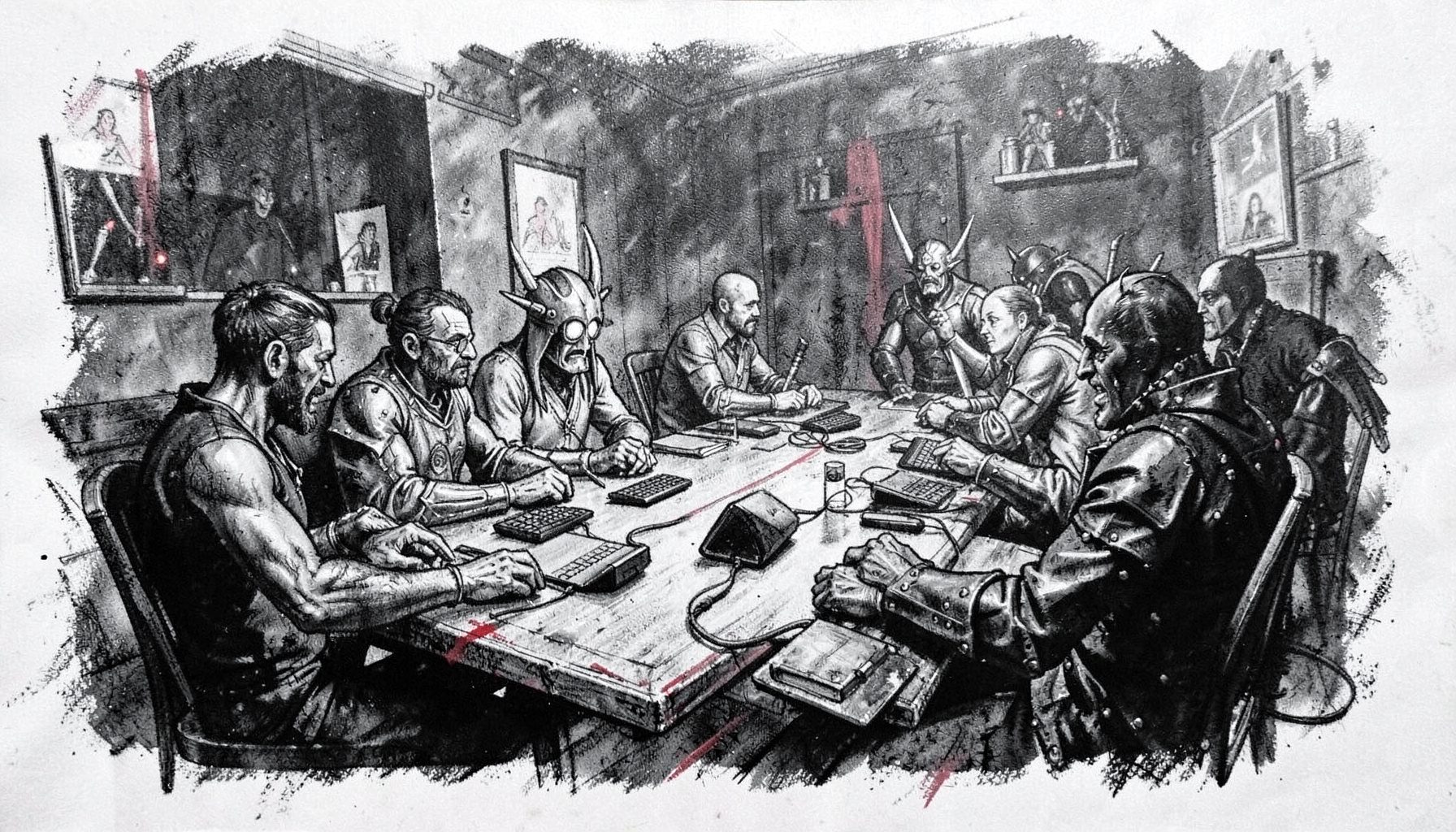
Lessons from running a LARP at the Showboat Hotel
At the 2018 High Level Games Convention, the Showboat Hotel in Atlantic City hosted tabletop role-playing players, live-action role-players, game designers, artists, publishers and vendors. Alongside panels, workshops and an exhibitor hall, its spaces supported LARP experiences and escape-room activities, making the hotel itself part of the storytelling.
A hotel LARP works differently from a warehouse game or woodland campaign. Guest corridors, lifts, meeting rooms and service passages must remain believable for players while still meeting fire, accessibility and hotel rules. Every prop, scene and character entrance becomes an operational decision as well as a creative one.
For Australian groups, the lessons transfer well to city conventions and hotel-based club events. Around the Melbourne Convention and Exhibition Centre and Brisbane Convention & Exhibition Centre, local traffic and venue practices shape what participants expect. A useful plan accounts for those realities before casting begins.
The strongest lesson from the Showboat is that immersive play succeeds when the hotel’s limitations are respected. Clear zones, brief scenes, reliable safety signals and generous reset periods support collaborative storytelling without losing sight of ordinary obligations such as work, school runs and getting home safely.
Plan around the hotel, not an imaginary site
Begin with a site walk, not a fantasy map. Treat lifts as fixed transit points, stairwells as emergency routes rather than secret passages, and guest rooms or restricted areas as off-limits. Note where security cameras, staff desks, smoking areas and busy entrances sit, since crossing those spaces can break immersion or create genuine conflict.
Divide the venue into public, character and operational zones. The public zone can host arrivals and general convention traffic; character zones belong to scheduled scenes; operational zones hold props, costumes and first-aid supplies. Colour-coded maps help players understand movement without exposing confidential plot information to everyone.
Set hard boundaries with hotel management before doors open. Confirm which rooms may be used, whether furniture can be moved, when noise is acceptable and which exits must stay clear. A signed-off floor plan prevents a scene designer, game master and venue coordinator each assuming someone else has handled the risk.
Turn hotel constraints into story
Constrained spaces can create stronger roleplay when the fiction acknowledges them. A narrow corridor may become a service tunnel, a ballroom reception or a border checkpoint. Repeated locations should change function across the day, so players sense a living world rather than seeing the same set reused without purpose.
Use a prop register with owner, source, storage point, scene and return condition. Flat-pack scenery, labelled costume bins and shared rulebooks survive a convention better than fragile dungeon rooms. When a prop cannot move, adapt the objective: a puzzle printed on a table card can work as well as a locked chest, while a ballroom becomes a council chamber instead of a forest camp.
Rules should support movement as well as narrative. A popular systems review from the convention shows how tabletop systems vary in pacing and bookkeeping; adapting those demands for hotel play prevents a rules-heavy scene from stalling. Short objectives, visible timers and a clear GM decision give live action a steady rhythm.
Make safety and consent visible
Start with a short participant agreement covering attendance, touch, character relationships, photography, harassment and the right to pause or leave a scene. Give every participant the same plain-language exit signal, and brief the cast that it must be honoured without comic resistance. Publish the code of conduct during registration and repeat it in the pre-game briefing.
Design for different needs without turning them into a separate programme. Provide step-free routes, clear signage, seating near gathering points and a quieter room for a break. Let participants request reduced physical interaction or a non-speaking role in advance so cast members can prepare rather than improvising around them.
Australian licensing changes by state and territory. Wherever the hotel bar operates, confirm that its licence and responsible-service procedures cover the event, and keep gameplay separate from alcohol service. Councils and venues also apply different noise curfews and occupancy conditions. Named safety marshals should cover bars, lifts and scene changes, with authority to pause play and summon the safety lead.
Design the run for real workdays
Give each scene a clear objective, one dramatic turn and a playable outcome. Hotel LARP scenes often need less text than a miniature campaign and more visible cues: a sealed case, a changed guard or a rumour passed from player to player. Put those cues in the game master’s hands before play begins.
Build breaks around real schedules as well as fiction. Club members may work different shifts, share travel or manage school pickups, so offer day and evening sessions, publish finish times accurately and preserve buffers around public transport changes. A tired participant rarely makes a convincing villain.
Australian community events often favour plain, good-humoured cues: “No worries, the dossier is in the blue tub; Sam, take over the guard.” Keep in-character directions brief and explain out of character when safety, timing or accessibility matters. That directness gives newcomers a fair chance while sparing the cast from deciphering hidden cues.
The hotel LARP operations playbook
A hotel event is easier to run when the same checklist serves game masters, venue staff and volunteers. Before the first player arrives, confirm:
- Walk every playable route with a GM, checking stairs, lifts, lighting, sockets and emergency exits.
- Label prop bins, costume racks and scene kits, then record who owns and returns each item.
- Publish the participant agreement, accessibility notes, start time and finish time with the session ticket.
- Nominate a safety lead, a venue liaison and a prop lead, with one named backup for each role.
During play, use visible signals and fixed handovers so uncertainty never becomes an unchecked safety issue.
- Check in every participant for consent preferences before assigning physical interactions.
- Keep the cast count high enough for safe scene changes and clear role transitions.
- Use a visible timer, a short rules reminder and a consistent pause signal.
- Reset rooms between sessions, removing costumes, food debris and any personal belongings.
- Record incidents, damage and accessibility requests in one shared log.
Carry the lessons into Australian events
The wider Australian market runs through volunteer-run clubs, independent game shops and events such as Australian Design & Dragons. For LARP organisers, that ecosystem rewards portable, repeatable events more than permanent scenery: a local club can borrow a hall, recruit a cast, run one polished scenario and reuse the same kit for the next town.
As conventions add streamed encounters and digital handouts, the convention panel on tabletop roleplaying’s digital future offers a useful lens for deciding what belongs on a phone and what needs a physical space. The same rule applies to a hotel LARP: use technology for registration, character updates and timed clues, but keep urgent safety instructions, consent checks and scene transitions in person.
The Showboat experience therefore offers a transferable model: design from the venue outward, protect participation and keep the logistics boring enough to disappear into play. The concrete next step is to submit a one-page site-and-safety plan with a named floor lead to the club’s next meeting.