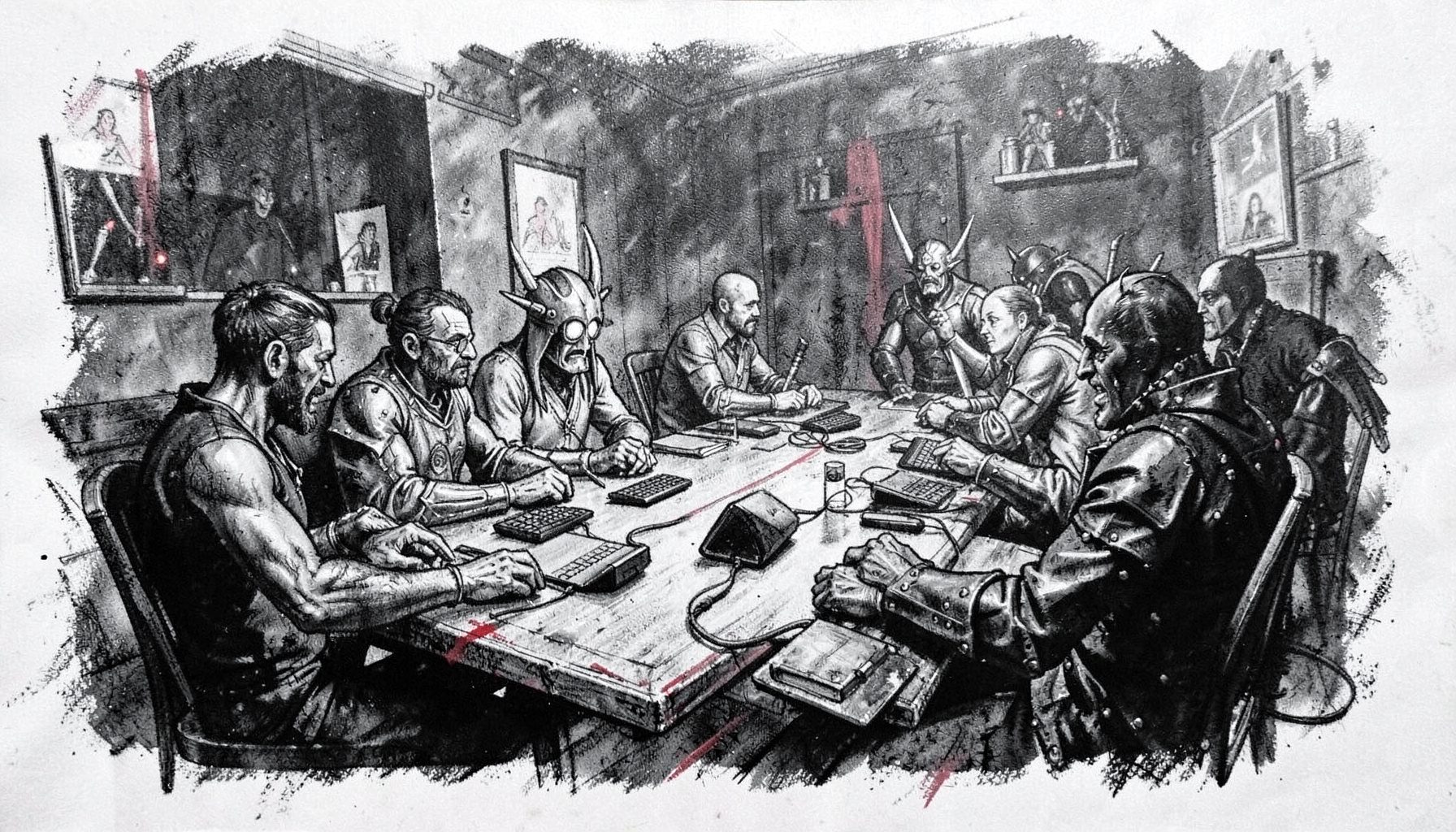
What to wear under your LARP costume for comfort and mobility
Most LARP prep focuses on visible costume pieces, but the layers underneath decide whether a five-hour boffer battle ends with a smile or with chafed skin and a damp tabard. At events like the High Level Games Convention, where live-action and tabletop sessions run back-to-back through long afternoons, your base kit does the heavy lifting without anyone noticing. Choose it well and you simply forget it is there.
Across Australia, the LARP scene shares halls and weekend retreats with tabletop groups, with active communities from Brisbane to Perth and from Hobart right up to Cairns. Climates swing hard here, so a winter game on the Macedon Ranges can drop to single digits overnight while a summer session in Townsville or Rockhampton feels like sparring inside a sauna. Local outdoor retailers stock kit for those swings, and layering choices that work at home travel well to interstate meetups in cities such as Melbourne, Adelaide, and Sydney.
Base fabrics that breathe and wick
Synthetic base layers pull moisture away from the skin, which matters when foam swords swing for hours and your gambeson has no ventilation panels. Merino wool is a strong natural alternative, holding warmth even when damp and resisting odour through full weekend events. Players in humid Brisbane summers often wear thin merino tops under loose-weave linen shirts for extra airflow during long festival runs.
Cotton is the wrong choice for combat-heavy scenarios, since it absorbs sweat and stays wet against the skin. Polyester blends sold at outdoor chains in Sydney and Adelaide stand up to repeated wash cycles, important for kit that sees regular bleaching after muddy skirmishes. Check the fibre content on the tag under Australian Consumer Law labelling rules before paying for premium baselayers, and pack spares in the same way players arriving early for dice rolling superstitions sessions bring layers for an all-night marathon.
Thermal regulation across shifting climates
Layering principles borrowed from Australian bushwalking work well under gambesons, tabards, and cloaks. A thin base, a mid insulating layer, and a wind-blocking outer keep your temperature steady from frosty mornings in regional Victoria to warmer afternoons once the sun climbs. Many LARPers rotate linen bases in summer and heavier merino in winter, which keeps a single kit working across seasons.
Indoor venues swing just as much as open fields. A heritage hall in Adelaide can feel draughty in midwinter, while a summer market session in Parramatta traps heat under any hooded cloak. A zip-neck base layer lets you vent heat during crowded guild scenes without removing visible costume pieces. Pack a clean base shirt per day at multi-day events; backups rescue you after unexpected soakings from puddles, potions, or sudden weather changes.
Padding, stretch, and safe movement
Padding matters as much under armour as over it. Thin foam inserts at the knees and elbows slip beneath hoods and sleeves, cushioning blows during boffer combat without restricting arm motion. Choose padding that fits WorkSafe-aligned guidelines for public events, especially when younger players are involved at venues such as the Melbourne Convention and Exhibition Centre.
Stretch panels at the shoulders and hips prevent binding when you lunge, parry, or run between cover. Players running back-to-back sessions between LARP halls and tabletop rooms benefit from breathable mesh panels behind the knees and under the arms. If your character wields a longbow or javelin-style foam prop, a soft chest layer prevents the strap rub that otherwise appears by mid-afternoon.
Foot foundations and leg layers
Boots get all the attention in kit photos, but the socks and tights underneath decide how far you can march. Australian-made hiking socks from brands stocked at camping chains along the eastern seaboard wick moisture and cushion the arches during hours of standing in character. For ranger and elven builds, lightweight merino tights in bush colours vanish under boots without adding bulk.
Hot spot prevention starts before the first encounter. Apply sports tape on known blister points, choose seamless socks where possible, and keep a small repair roll in your pack. Players moving between an Adelaide beachside session and a cooler Hills run often pack two sock weights to match the terrain, the temperature, and the length of the day.
Sweat management and skin care
Hot Australian summers can turn foam helmets into ovens, which is why sweatbands and skullcaps under helmets protect both skin and hair. SPF50+ sunscreen matters for any outdoor segment of a session, even under a hooded cloak, since UV cuts through plain weave fabric. Reapply after heavy sweat cycles and pack a small towel per day at a minimum, especially for multi-day runs in regional parks.
Chafing control is mostly prevention. Body glide or similar balms on the inner thighs, underarms, and the small of the back, where belts sit, stop the slow drag that ends long sessions early. Australian-made skin products stocked at chemists in Perth and Brisbane cost roughly twelve to eighteen Australian dollars and last through a full weekend. Keep used base layers sealed in a separate bag inside your tent or hotel wardrobe; clean kit and dirty kit never share a pocket.
Hidden carry and finishing touches
A simple money belt or thigh wallet worn under a tabard keeps cards, cash, and phone secure during combat scenes. Soft neoprene or merino-lined belts sit better than stiff leather once an event runs past three hours. Many Australian LARP kits borrow from military surplus suppliers trading at weekend markets and through local online retailers.
The program guide artists at HLGCon showed how much costume polish comes from finish details, and hidden layers benefit from the same care. Pockets sewn into base shirts distribute weight across the torso better than strapped pouches, and lie flat under fitted armour. Test any new belt or wallet at a tabletop night before wearing it to a four-hour LARP session, since an untested rig always fails at the worst moment.
Packing list items worth slipping into your kit
- Two merino or synthetic base shirts per day, sealed in labelled zip bags
- A zip-neck mid layer for vent control in crowded halls
- Thin foam knee and elbow pads rated for boffer combat
- Seamless hiking socks in two weights, plus sports tape for hot spots
- A sweatband or skullcap sized to fit under your helmet
- SPF50+ sunscreen, body glide, and a small towel
- A flat money belt with room for cards, phone, and a small charm
Lay your full kit on the bed the night before the next session and weigh the obvious choices against the ones sitting unused in a drawer. Cut the items you never reach for and pack the layers you have been quietly meaning to test. Take that lighter, more deliberate set to the next LARP session in your city and see how four hours in costume feels with nothing pinching, pooling, or overheating.