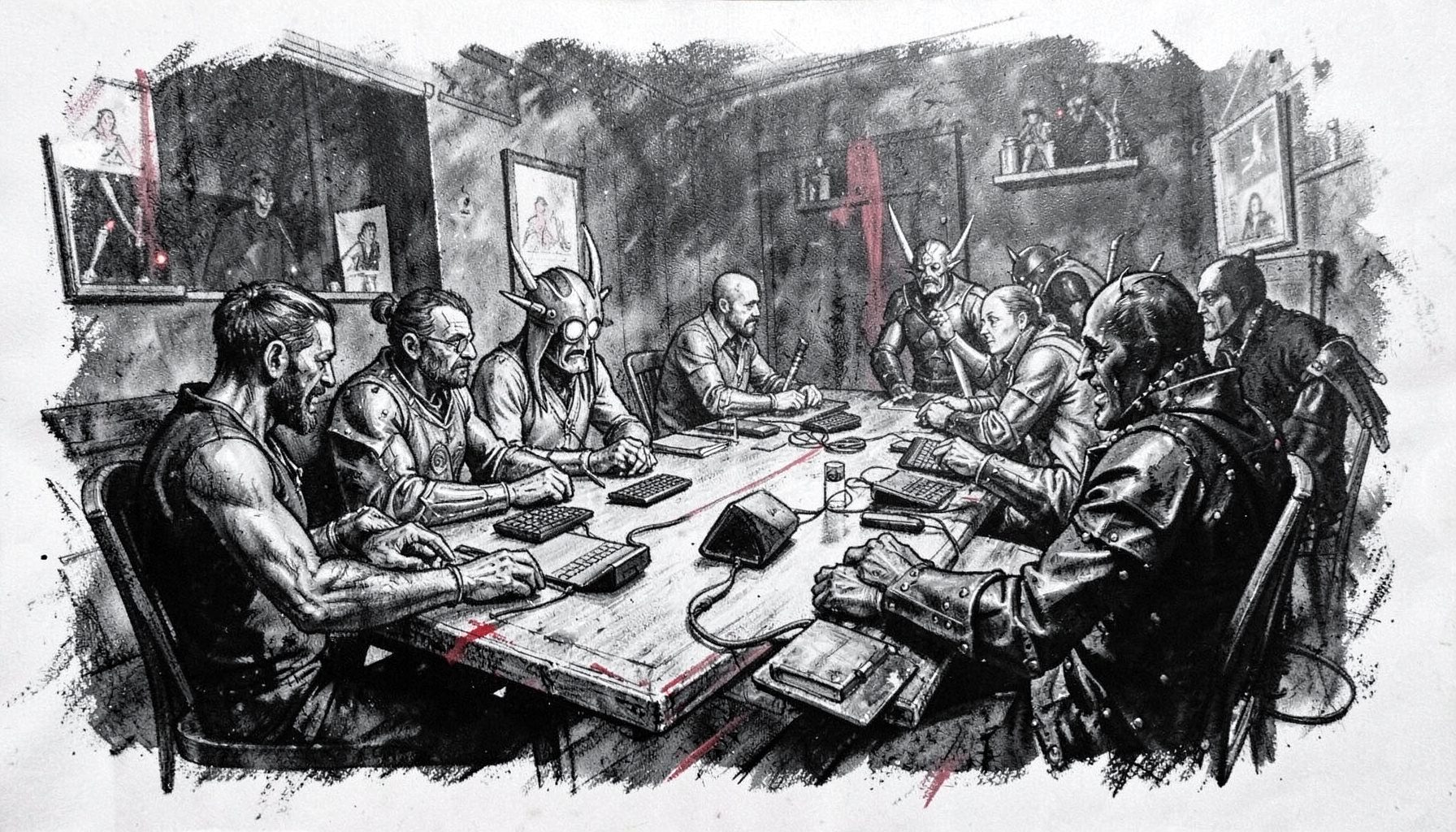
Inside the Dice Rolling Superstitions Open Mic at HLG Con
The High Level Games Convention returned to the Showboat Hotel in Atlantic City for one weekend in 2018, gathering tabletop RPG players, LARP enthusiasts, designers, artists, publishers, and vendors under one very crowded roof. Between the live-action encounters in the side halls and the escape-room pods near the exhibitor floor, the schedule carried an unlikely beacon of community storytelling: an open mic dedicated entirely to dice rolling superstitions.
The session was a relaxed hour where anyone, from first-time convention-goers to veteran dungeon masters, could step up and share a ritual, a charm, or a hard-won lesson. There was no panel of judges, no award structure, and no required length. People queued with handwritten notes, with dice in their palms, and sometimes with nothing except a memory they wanted to release into a sympathetic room.
What unfolded was a small archive of personal habits. Some had to do with how dice were stored, others with how a critical roll was announced. A surprising number touched on household traditions and questions of when a superstition crossed the line into something a table should actually address.
The atmosphere leaned warm. Quiet applause followed each contribution, and a few storytellers returned twice. By the end of the hour the moderator's page was full and several listeners had already started swapping contact details for follow-up gaming.
A Mic, a D20, and a Crowded Showboat
The Showboat's ballroom was a busy patchwork of game tables when the open mic began. Volunteers set up two microphones at the front and quietly collected sign-ups while nearby tables finished out their encounters. A number of attendees chose superstition storytelling over their afternoon slot, which gave the room a steady flow of drop-ins joining between sessions.
Officially listed as the "Dice Rolling Superstitions" session on the convention's master schedule, the open mic was slotted late on the second day. Two local GMs from the Philadelphia area opened with their own stories, then handed the floor to anyone who waved. They kept the energy light, repeated the rule that no one should feel obliged to share, and gently cut off speakers whose tales slid away from the topic of dice.
Voices from Behind the Mic
The earliest contributors described single vivid memories: a d12 that had rolled three natural ones in a row, a set of metal dice that "felt warmer than they should," or a fortune that simply must be re-rolled because the throw had bounced off a table's wooden lip. A few admitted to whispering the same word their grandmother used to mutter when sorting tarot cards, then laughed it off.
Later voices belonged to designers and publishers who had come to scout the indie hall. They spoke about superstition from the other side, describing how playtest groups develop rituals around a prototype, and how a game can sometimes feel "blessed" by the table that first breaks it in.
One memorable turn came from a cosplayer who described a home rule: every time a critical fail happened, that player had to walk a full circle around the room before anyone else rolled. The session that invented the rule had taken place in a Brisbane kitchen converted into a temporary battle map.
Beliefs the moderators heard most often
- Dice described as warm, heavier than they should be, or unwilling to be shared
- Rituals borrowed from older family traditions, then quietly adapted
- Rules that looked like superstition while quietly solving real group friction
- A small token carried to every session, always in the same pocket
Rituals from Down Under and Beyond
Australian players turned out to have a particularly rich vocabulary for superstition. Several referenced the Melbourne tabletop scene, mentioning how stores like Milsims and Good Games have built a culture around demo-table rituals, from keeping a printed certificate for a group's first natural twenty to hoarding leftover dice from retired starter sets. Others pointed to PAX Australia in Melbourne as an informal school where weekend sessions end with players swapping tokens or small charms.
A few credited long-running Sydney dungeon crawl clubs for instilling a habit of bowing to the dice before any roll. Local realities crept in. The Australian dollar and the goods and services tax on game products came up when a Melbourne vendor said certain imported dice sets carry a price tag shaped by the exchange rate rather than the dice themselves. The conversation also drifted toward Australia's classification system, with players joking that some of their cursed dice felt firmly in the M category while others were restricted territory.
Lucky Objects and Loaded Totems
Speakers walked on stage carrying a small museum of charms: a wooden figure carved from offcuts, a glow-in-the-dark die from a defunct Kickstarter, and in two cases photos of pets sworn in as official mascots.
A surprising number of superstitions clustered around storage. There was a strong belief that dice should never share a pouch with metal coins, lest they pick up "transactional energy." Several long-time GMs swore by keeping a single set in a velvet-lined case at home, brought out only for sessions that truly mattered.
One contributor described a ritual her Perth group had borrowed from the Bunnings snag run, popping a sausage before the session as an "anchor" for the first roll. The room laughed, and at least two listeners were seen adding notes to their phones.
Hexes, Jinxes, and Game-Stopping Moments
For every charm there was a curse, and the open mic gave them equal airtime. Several storytellers described dice that seemed to develop grudges against specific players, sometimes following them from group to group in defiance of any reasonable explanation. A small contingent shared tales of dice that had to be retired, sometimes with a ceremony, before they could be replaced.
The retrospective was rarely angry. Most speakers framed those moments as ones the table had needed. A failed save could trigger a needed character arc. A streak of ones could finally push a stubborn player to try a new build.
That generosity set the tone. Even when a story ended with a TPK, the tellers laughed rather than grieved. Superstition served as a way of acknowledging that dice shape stories without anyone truly in control.
Curses the room knew by heart
- A d20 quietly "demoted" from a group's main dice pool after one too many ones
- Coins removed from dice bags for "transactional energy"
- Sessions that needed a fresh, blessed die to break a long losing streak
- A die passed on to a willing friend the moment it started behaving badly
The Art That Framed the Room
The visuals of the open mic belonged to the convention itself. HLG Con's printed program guide carried illustrations by several artists who had also designed the badges, the exhibitor signage, and many of the one-shot adventures advertised on the schedule boards.
In a room full of repeated stories, the artwork offered a different kind of anchor. A few speakers paused mid-tale to point at a poster hanging near the mic, identifying a familiar dragon that had appeared on every HLG Con tablecloth for years.
For attendees curious about who drew the imagery behind the convention, there is a dedicated feature on the Spotlight on the artists who illustrated the HLGCon program guide. Reading it alongside any session transcript gives a quietly touching sense of how much of HLG Con's identity was carried by pencil, ink, and pixel rather than dice.
Carrying the Rituals Home
The session ended with a brief group discussion. Listeners traded small suggestions: try blessing the dice before a tough encounter, retire a set that has clearly given up, or simply note in the campaign log which die was rolled when. None of these were framed as law.
For anyone wanting to bring similar moments to their own group, the HLG Con schedule page remains a useful reference. The 2018 program is still archived there, and reading it back is a quiet reminder of how tightly packed a single weekend at the Showboat could be.
The closing minutes belonged to a player from Adelaide who asked the room whether anyone else had a die they refused to throw ever again. Three people nodded. The moderator thanked the room, and within minutes the chairs were back at their tables for the next session down the hall.
The hour left a strange aftertaste. Attendees walked out clutching dice tighter than usual, comparing notes, and occasionally glancing back at the empty chairs.
Anyone who felt even a small flicker of recognition at the open mic could sit down tonight and write a single superstition onto a scrap of paper, then bring it to the next session as a story rather than a rule.