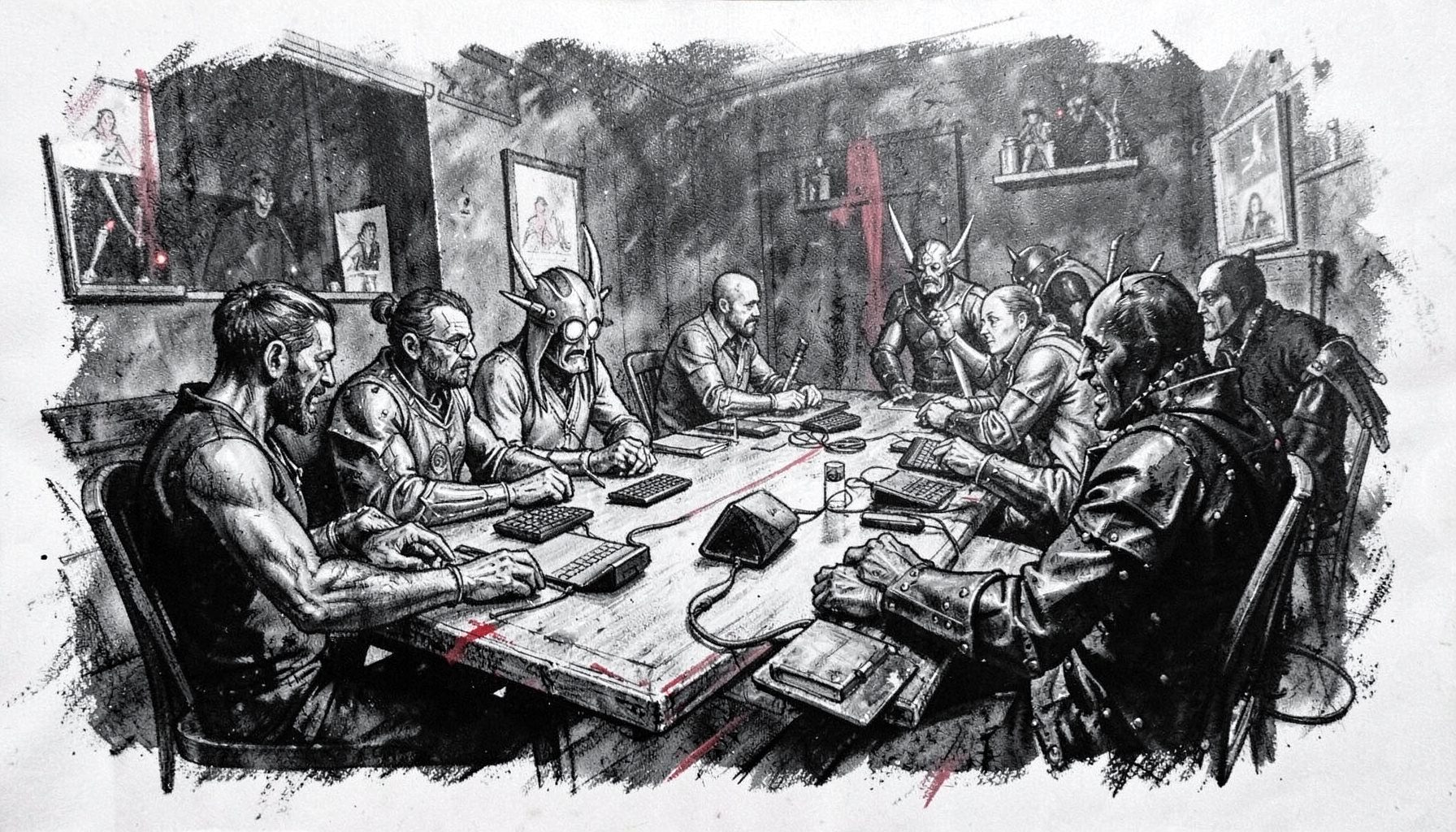
Build a memorable LARP costume from op shop finds
A convincing LARP costume does not require a specialist supplier, a large budget, or a sewing room filled with equipment. A few hours in an Australian op shop can uncover the foundation for a ranger, courtier, healer, merchant, sailor, academic, or wasteland survivor. The key is to shop for shape, texture, and useful details rather than searching for one perfect outfit.
Thrifted clothing also gives a character room to develop. A faded jacket may suggest a history of travel, while mismatched jewellery can reveal family ties, rank, or a secret occupation. With careful layering, minor alterations, and safe accessories, everyday garments become part of collaborative storytelling at a convention, campaign weekend, or local park event.
Start with a character silhouette
Before visiting a charity shop, decide what other players should notice from several metres away. A broad coat, long vest, apron, hood, or distinctive hat creates a recognisable silhouette. Colour helps too: earthy browns and olive tones suit a scout, deep blue and silver suggest a formal mage, and bright scarves can identify a travelling performer.
Write down three character words, such as “practical, suspicious, scholarly” or “wealthy, theatrical, secretive”. These words prevent unfocused shopping. You are looking for garments that support the role, not simply pieces that look vaguely historical. A modern shirt can work for a fantasy setting if it disappears beneath a waistcoat, sash, cloak, or leather-look belt.
Pay attention to movement. LARP involves walking, kneeling, gesturing, eating, and sometimes running between scenes. A dramatic floor-length coat may look excellent in a photograph but become a trip hazard on stairs. Test sleeves, hems, and closures in the shop, and leave enough space for a base layer if the event is held during a cool Melbourne evening or a warm Brisbane afternoon.
Build the outfit in useful layers
Begin with a comfortable foundation: plain trousers, a long skirt, leggings, a cotton shirt, or a simple dress. Natural-looking fabrics usually photograph better than shiny polyester, although synthetic garments can be valuable when they provide water resistance or easy washing. Neutral pieces are especially useful because they can serve several characters across different events.
Add a middle layer that establishes the setting. Waistcoats, cardigans, overshirts, knit vests, long skirts, and oversized blazers can suggest a historical, steampunk, urban fantasy, or post-apocalyptic world with very little modification. Look for unusual fastenings, textured fabric, pinstripes, corduroy, embroidery, or slightly worn edges.
Finish with one or two strong identifiers rather than covering every surface. A red sash, brass-looking brooch, distinctive satchel, or painted emblem can communicate allegiance. This restraint makes the costume easier to wear for a full day and leaves space for other players to discover details through roleplay.
Shop Australian op shops with a plan
Australian charity shops vary greatly by suburb. In Sydney and Melbourne, larger stores near shopping strips may offer blazers, formalwear, scarves, and accessories at reasonable prices, while smaller suburban shops can be better for work shirts, knitwear, and practical bags. Vinnies, Salvos, Red Cross shops, community op shops, and weekend markets each have different stock, so a costume may come together over several visits.
Go early on a weekday if possible, particularly before a local festival or school formal season. Australian op shops often receive waves of donations after wardrobe clear-outs, and formalwear can be plentiful after events. Check men’s, women’s, and children’s racks rather than limiting yourself to one section; oversized garments can create excellent cloaks, tunics, or layered silhouettes.
Useful discoveries to seek include:
- Linen or cotton shirts with unusual collars
- Waistcoats, long skirts, and oversized jackets
- Leather-look belts, satchels, scarves, and gloves
- Costume jewellery, brooches, old keys, and fabric belts
Inspect every item for stains, loose seams, missing buttons, and strong odours before buying. In Australia, hot-weather LARP can make heavy layers uncomfortable, so favour breathable fabrics for events in Adelaide, Perth, or regional venues. A washable costume is also more practical when it may encounter grass, dust, sunscreen, spilled drinks, and sudden rain.
Transform ordinary clothes with simple alterations
Small changes often create a stronger period or fantasy impression than elaborate crafting. Replace plastic buttons with wooden or metal-look alternatives, remove visible brand labels, shorten a modern tie, or sew a strip of contrasting fabric over a logo. Fabric glue can work for temporary details, while hand stitching is more reliable for pieces that will be worn repeatedly.
Belts are among the most useful costume tools. Wear one at the natural waist, cross it over the chest, or use several narrow belts to break up a plain tunic. Attach a pouch, key ring, map case, or harmless prop container, keeping the weight light enough that it will not pull the garment out of shape.
Try these low-cost upgrades before buying specialist materials:
- Add fabric patches to elbows, hems, or pockets
- Dye pale cotton with fabric dye for a weathered colour
- Roughen selected edges with sandpaper, not open flame
- Sew on ribbon, faux fur, braid, or decorative cord
- Layer a scarf under a belt to create a sash or shoulder wrap
Ageing should be selective. A little diluted fabric paint around hems can suggest travel, but heavy staining may look theatrical rather than lived-in. Test any dye, paint, or adhesive on an unseen section first, and wash thrifted garments before altering them.
Choose accessories that support play
Accessories should give the character something to do. A merchant might carry a ledger and stamped tokens, while a healer could use labelled jars filled with harmless materials. A scholar’s notebook, courier’s satchel, or navigator’s compass can become a reason to approach other players and start a scene.
Sound and atmosphere also influence how a costume feels. A small bell, wooden beads, or a set of clinking keys can subtly reinforce a role, but loud accessories may irritate other participants. For ideas about how audio changes a LARP environment, the discussion of music and sound offers useful context for thinking beyond visual design.
Choose props with safety and venue rules in mind. Foam weapons must be clearly safe and approved by organisers, and realistic-looking replicas can cause concern in public spaces. Australian states and territories regulate weapons differently, so never carry a weapon-like prop through a train station, shopping centre, or city street without checking the relevant rules. Transport it discreetly in a bag and follow the event’s inspection process.
A practical accessory kit might include:
- A soft pouch for phone, keys, medication, and sunscreen
- A notebook, pencil, and character-specific handouts
- Comfortable closed-toe shoes disguised with gaiters or covers
- Hair ties, safety pins, blister patches, and spare buttons
Make comfort part of the character
A costume that becomes painful after two hours will limit roleplay. Wear shoes that have already been broken in, add breathable layers, and avoid jewellery that catches on other people or furniture. For a multi-day convention, pack a second base shirt and allow garments to air overnight instead of sealing damp clothing in a plastic bag.
Australian weather requires flexibility. A wool coat may be ideal in Hobart but excessive in northern Queensland, while a cloak can become uncomfortable under strong summer sun. A removable hood, cotton overshirt, or broad-brimmed hat can provide visual identity without trapping heat. Check whether the venue allows hats, capes, bags, and large props in crowded rooms.
Costume comfort also supports social confidence. If you can sit, eat, use the bathroom, and move through an exhibitor hall without constant adjustment, you are more likely to stay in character. Practical advice on wearing costumes for extended periods appears in these costume comfort tips, especially for planning footwear, breaks, and clothing changes.
Before the event, complete a full test at home. Wear the outfit for at least an hour, walk up stairs, sit on a hard chair, and check every attachment. If a pouch swings into your knees or a cloak catches on a door handle, solve the problem before game day.
Add story through finishing details
The most memorable thrifted LARP costumes contain clues. A repaired cuff might show that the character values usefulness over status. A missing button replaced with a mismatched one can suggest hurried travel. An old brooch may become a family heirloom, a guild badge, or evidence of a former allegiance.
Give each major item a short explanation. You do not need an elaborate biography for every scarf or buckle, but knowing where an object came from makes improvisation easier. If another player asks about your satchel, you can answer in character instead of treating it as decoration.
Be mindful of the line between fictional wealth and real-world spending. A convincing merchant costume can use recycled paper labels, bottle caps, fabric scraps, and thrifted containers rather than expensive branded props. Even gambling-themed settings should remain fictional and appropriate to the event; for background on how gaming content can be framed for an audience, see this instant play casino discussion without treating real-money gambling as part of the costume experience.
Lay out the final outfit together, photograph it from front and back, and record any alterations still needed. Then place the pieces in one labelled storage tub, with a small repair kit and the character notes beside them. Start by visiting one local op shop this weekend with three character words and a five-item shopping list.