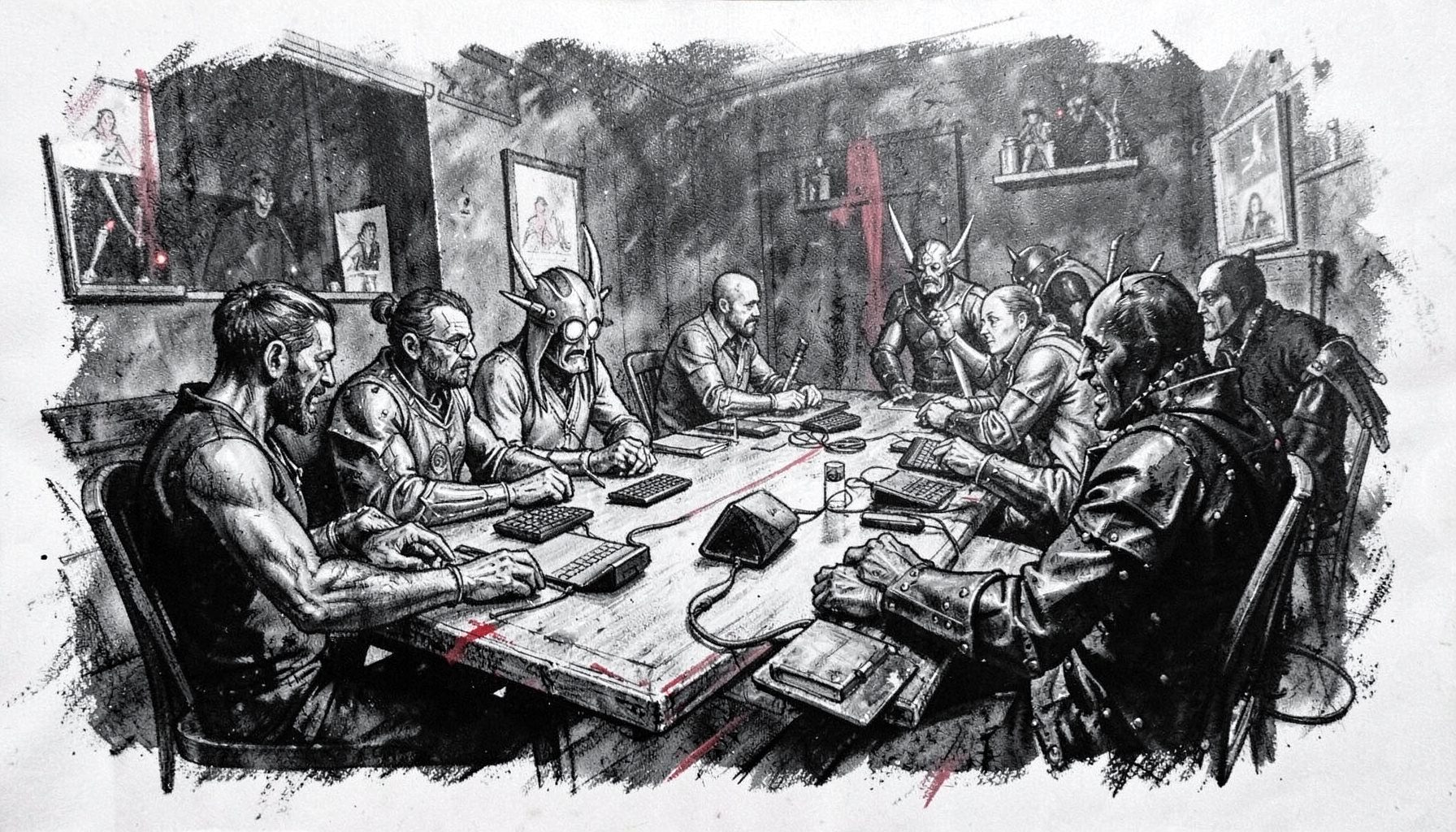
Cosplay At HLGCon: How To Wear Costumes All Weekend
Cosplay at HLGCon was more than a chance to recreate a favourite character for a photograph. At the Showboat Hotel in Atlantic City, costumes became part of the convention’s shared storytelling, alongside tabletop role-playing games, LARP sessions, workshops, panels, escape rooms and the exhibitor hall. A well-planned outfit helped you participate without spending the whole weekend worrying about loose straps, sore feet or a missing prop.
For Australian attendees, the practical side deserves extra thought. Travelling overseas with armour, wigs or replica weapons can involve airline baggage limits, customs rules and expensive replacement costs. Even before you reach the United States, a costume may need to survive a flight from Sydney, Melbourne, Brisbane, Perth or Adelaide, followed by transfers, queues and several long days on unfamiliar feet.
HLGCon’s collaborative atmosphere also rewarded costumes that could move between activities. You might spend the morning in a panel, join a role-playing session after lunch, browse vendors in the afternoon and take part in an immersive event at night. Your outfit should support that variety rather than trap you in a display piece that works only while standing still.
The best approach is to treat a costume as wearable equipment. Choose a character you genuinely enjoy, test every part before departure, and create a backup plan for heat, damage and unexpected schedule changes. That preparation leaves more energy for meeting other players and contributing to the welcoming community that made the convention distinctive.
Choose A Costume For Movement And Weather
Start with the full convention schedule rather than the character reference alone. A sweeping cloak may look perfect for photographs, but it can become awkward in crowded corridors or at a gaming table. Large wings, rigid shoulder pieces and long trains need enough clearance for chairs, lifts and busy exhibitor spaces. If you plan to join LARP activities, check whether the outfit permits safe movement, clear visibility and easy communication.
Atlantic City can feel humid in warmer months, while hotel interiors may be strongly air-conditioned. Australian visitors are familiar with the difference between a sticky summer day and a freezing shopping centre, so use the same principle here: build layers. A breathable base garment, removable overshirt and compact outer layer are often more useful than one heavy costume piece.
Footwear deserves priority. Character-accurate boots may look impressive, but convention floors punish shoes that have not been broken in. Wear supportive socks, add discreet insoles and test the complete combination during a full day out. If the outfit calls for unusual shoes, pack comfortable alternatives for travel, meals and late-night events. A pair of plain black sneakers can save an entire weekend.
Costume design can also respect the venue and other attendees. Avoid sharp protrusions, trailing cords and materials that shed glitter across shared spaces. Keep sightlines clear, especially when walking through doors or carrying drinks. A costume that looks striking while remaining considerate will be remembered for the right reasons.
Build A Reliable Convention Wardrobe
Think in interchangeable components. A base outfit can support several variations with different accessories, jackets, belts or makeup choices. This reduces luggage pressure and gives you a way to refresh the look without bringing a second complete costume. It also helps if a garment becomes damp, stained or uncomfortable after a long day.
Australian cosplayers often need to source materials strategically. Local options such as Spotlight, Lincraft, Bunnings and independent fabric shops can cover foam, fasteners, paints and basic repair supplies, while specialist online sellers may provide wigs or EVA foam. Ordering internationally can add shipping charges, GST and long delivery windows, so buy critical items early and keep invoices for valuable equipment.
For a convention focused on shared storytelling, a costume does not need museum-level accuracy to succeed. A recognisable silhouette, strong colour choices and one or two carefully made details may communicate the character better than an overloaded outfit. The art of collaborative storytelling offers a useful way to think about this: leave room for other people to add to the scene.
Create a small repair kit and keep it accessible rather than buried under clothes. Choose supplies that match the materials in your costume, then practise using them. A repair made with the wrong adhesive can damage foam, cloud plastic or leave a visible mark on fabric.
Pack The Essentials
- Safety pins, sewing needles, strong thread and small scissors
- Fashion tape, double-sided tape, glue suitable for the costume materials and spare fasteners
- Blister pads, moleskin, pain relief and any regular medication
- Stain wipes, tissues, deodorant, hand sanitiser and a compact lint roller
- Spare tights, socks, gloves or other small pieces most likely to fail
Manage Comfort Across Long Days
Cosplay endurance depends on small habits. Eat before dressing in complicated layers, drink water regularly and schedule short breaks before you feel exhausted. Hotel conventions can make it tempting to rush from one activity to the next, but ten minutes sitting down may prevent hours of discomfort later. Keep snacks in a sealed pouch if your costume has no practical pockets.
A discreet underlayer can solve several problems at once. Moisture-wicking shorts can prevent chafing under skirts or armour, while a singlet can protect elaborate garments from sweat. For Australian travellers used to packing sunscreen and a water bottle for a summer outing, the same preparation applies here, with extra attention to hotel air conditioning and unfamiliar food routines.
Makeup and wigs need their own maintenance plan. Test products in advance, particularly adhesives, coloured contacts and setting sprays. Bring cleansing supplies and avoid wearing contacts longer than recommended. A wig cap, wide-tooth comb and a few spare pins can restore shape after a crowded lift ride or a windy walk outside.
Build privacy and accessibility into the costume. Fast changes are easier in garments with elastic, snaps or side openings than in pieces that require complete disassembly. Anyone using mobility aids should ensure props and costume parts do not interfere with wheels, handles or transfers. These choices do not reduce the visual impact; they make participation possible for longer.
Let The Costume Support Social Play
A convention costume works best when it creates openings for conversation. A prop book, badge, painted accessory or character-themed pouch gives people an easy way to comment without interrupting you. Be ready to explain the character briefly, especially if the design comes from a less familiar game or an original interpretation.
Ask before touching costumes, props, wigs or armour, and seek permission before taking photographs. This is especially important in busy areas where someone may be managing a delicate piece or trying to reach a session. A simple “Would you like a photo?” is enough, and accepting “no” keeps the atmosphere comfortable.
The exhibitor hall is a useful place to find finishing touches, but set a budget before browsing. Vendors may sell prints, dice, handmade accessories, costume parts and art that fit your character. The exhibitor hall stories show why these spaces matter: they connect attendees with the makers behind the objects, rather than treating shopping as a separate activity.
Australian visitors should account for exchange rates, international card fees and baggage space before buying. A small handmade accessory may travel easily, while a framed print or large prop can create problems at the airport. Ask vendors about packaging and keep fragile purchases separate from costume pieces that may crush them.
Quick Checks Before Leaving The Room
- Can you sit, walk, use stairs and enter a bathroom without assistance?
- Is every prop secured, safe and permitted in the relevant activity?
- Do you have water, medication, identification and a phone charger?
- Can you remove or loosen the hottest layer within a minute?
- Is someone in your group aware of where the repair kit is stored?
Travel With A Costume That Can Recover
Disassemble the fragile parts before flying. Pack foam armour flat where possible, stuff hats and soft props with clean clothing, and protect masks or resin pieces inside a hard-sided container. Wigs travel better in a hairnet or loose plastic bag than compressed beneath shoes. Photograph the packed arrangement so repacking at the hotel is quicker.
Never assume a prop that looks harmless to you will pass an airline or venue inspection. Check airline baggage rules, airport security guidance and the convention’s own policies well before departure. Realistic weapons, metal components and oversized items may need special handling or may be prohibited. Carry documentation for expensive equipment and avoid packing irreplaceable pieces in checked luggage.
Once at the hotel, give the costume time to recover from travel. Hang garments, reshape foam, air out shoes and inspect adhesives before the first event. Humidity, pressure changes and cramped luggage can reveal weak points that were invisible at home. A small hotel room becomes much easier to manage when each item has a designated place.
Plan for the costume’s final day, not just its debut. Save the most demanding accessories for a shorter programme if necessary, and keep a comfortable version ready for packing and travel. If something fails, adapt rather than abandoning the character: remove a damaged layer, turn a repair into an in-world detail or combine pieces into a relaxed variation.
A successful weekend outfit is comfortable enough to support conversation, sturdy enough for repeated use and flexible enough for unexpected moments. For Australians crossing an ocean to attend a convention, careful packing matters, but the real reward is being present for the games, performances and friendships around the costume. The detail people remember most is rarely a perfect hem; it is the generosity and imagination you brought into the room.