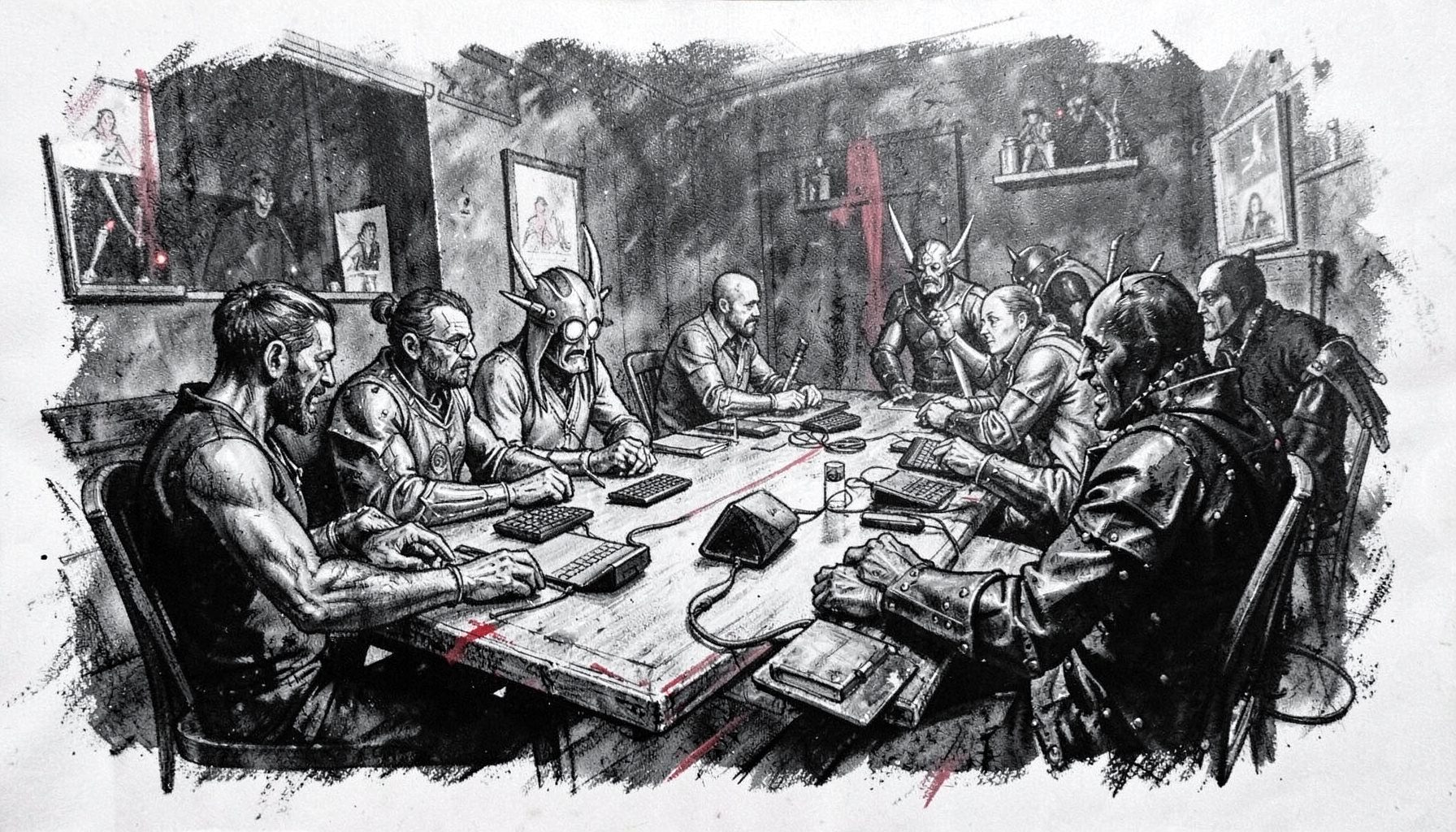
Dice Towers, Trays, and Bags for Better Game Nights
A good gaming accessory does more than look impressive on a shelf. It keeps dice under control, protects a carefully chosen collection, and makes the table easier for everyone to use. Whether the session is a crunchy tabletop RPG, a fast card game, or a live-action role-playing event, small upgrades can remove a surprising amount of friction.
Dice towers, rolling trays, and dice bags each solve a different problem. A tower manages the roll itself, a tray creates a defined playing area, and a bag keeps polyhedral sets together between sessions. Used in combination, they help prevent lost dice, accidental knocks, and arguments about whether a die really stopped on that number.
These accessories also suit the social spirit associated with High Level Games Convention. At a convention environment filled with designers, players, LARPers, artists, and vendors, presentation matters, yet practical comfort matters just as much. The best choice depends on your games, your group, your budget in Australian dollars, and the kind of table you use.
Why Dice Control Matters at the Table
Uncontained dice can create small problems that interrupt the rhythm of a game. A d20 may roll beneath a rulebook, a handful of damage dice may scatter across a café table, or a metal die may chip a wooden surface. In a busy convention room, where several groups share limited space, stray dice become even harder to retrieve.
A dice tray gives each roll a reliable landing zone. Leather, felt, neoprene, wood, and silicone are common materials, with different levels of portability and noise reduction. A soft-lined tray is especially useful for late-night games in hotel accommodation, where loud rolls can travel through thin walls. It also suits Australian players travelling to events in cities such as Sydney, Melbourne, or Brisbane.
A tower offers a more contained alternative. Dice enter through the top, bounce across internal shelves, and emerge in a small collection area. This can improve accessibility for players who find repeated rolling difficult, and it gives every participant a consistent rolling method. Towers are less flexible for very large handfuls of dice, though, and some oversized or novelty dice may not pass through comfortably.
Finding the Right Dice Bag
A dice bag is the simplest way to protect and organise a collection. Basic drawstring pouches are light and inexpensive, while lined fabric bags, waxed canvas rolls, and compartmented cases provide additional protection. A flat-bottomed pouch is useful at a crowded gaming table because it can stand upright instead of collapsing across character sheets.
Capacity should match the way you play. A single RPG character may need one standard set, a few replacement dice, and perhaps a percentile pair. A game master running Pathfinder, Dungeons & Dragons, or another dice-heavy system may carry several full sets, tokens, condition markers, and a handful of specialty dice. Buying a huge bag for a small collection can make dice harder to find, so internal sections or colour coding are valuable.
For LARP players, storage needs can extend beyond tabletop dice. Character accessories, costume jewellery, prop tokens, and emergency sewing supplies may all travel together. A practical guide to building a LARP character shows why compact, dependable gear matters during a full convention weekend. A small pouch inside a larger event bag keeps important items accessible without mixing them with costume pieces.
Useful Features in a Dice Bag
- A wide opening for quickly identifying different sets
- Soft lining to reduce scratches on resin or painted dice
- Separate pockets for tokens, counters, and miniature accessories
- A secure drawstring or zip closure for travel
- A washable or wipe-clean exterior
- A compact shape that fits in a backpack or convention tote
Choosing Materials and Styles
Appearance is part of the appeal. A wooden tower can suit a tavern-style fantasy campaign, while a bright neoprene tray may work better for a modern board-game collection. Metal, acrylic, and resin towers often become centrepieces, especially when their colours match a character, faction, or campaign setting. The accessory should still be stable and functional; an elaborate tower that occupies half the table may become a nuisance during a game with maps and miniatures.
Noise is worth considering in shared venues. Hard plastic and metal can create a sharp clatter, particularly when rolling several dice at once. Felt-lined trays, silicone models, and fabric dice cups soften the sound. This is useful at Australian conventions, where tabletop areas may sit close to panels, vendors, or LARP briefing spaces. It is also considerate when playing in a flat or shared house.
Climate can influence materials as well. Brisbane and coastal New South Wales can be humid, so fabric storage should be allowed to dry fully before being closed for long periods. In Melbourne, where a convention day may move between cool outdoor weather and heated indoor rooms, a sturdy zip pouch protects dice from being jostled in a coat or backpack. Players in Perth or Adelaide may prioritise lightweight gear for longer travel distances.
Practical Checks Before Buying
- Confirm the tray or tower fits your usual table space
- Check whether the opening accepts large metal or oversized dice
- Look for non-slip feet on hard-surface accessories
- Choose washable fabrics for frequent convention use
- Compare local prices with delivery fees and currency conversion
- Test whether the accessory packs flat enough for transport
Matching Accessories to Different Games
A role-playing game with frequent ability checks benefits from quick access. A compact dice bag beside the character sheet may be all that is needed for a one-shot, while a game master can pair a larger organiser with a tray for attack rolls, saving throws, and damage pools. A tower is useful when a group wants a clear, impartial roll that cannot be nudged by a crowded surface.
Board games and skirmish games create different demands. A shallow tray can keep dice within reach without blocking player boards, while a lidded case prevents small dice from disappearing between sessions. For miniature games, a tray with a raised edge is often preferable to a tower because players may need to roll many dice simultaneously and sort them beside the battlefield.
LARP events may not use dice constantly, but compact accessories still have a role. A dice pouch can store randomisation tools for downtime scenes, while a tray can protect small components during workshops or character preparation. The LARP track at HLGCon was recognised for its immersive approach, with a distinctive LARP programme that connected collaborative storytelling with active participation. That same principle applies to equipment: accessories should support play without distracting from it.
Buying for Australian Gaming
Australian gamers have a broad range of purchasing options, from local hobby shops and independent makers to online retailers and convention exhibitors. Local buying can make returns easier and avoids the uncertainty of international postage. It also helps to compare the listed price in AUD with shipping, import charges, and delivery times before choosing an overseas product.
At a convention such as PAX Aus or a smaller regional gaming event, handling a tray or tower in person can reveal details that photographs hide. Check the lining, weight, joinery, closure, and stability. A vendor may also offer handmade leather or fabric accessories that differ slightly from mass-produced versions, making them attractive for players who want a distinctive set.
The most useful accessory is the one that matches your regular habits. A commuter carrying games on Melbourne’s trains may prefer a slim roll-up tray and one compact pouch. A home group in Canberra might choose a larger wooden tower that stays on the dining table. Someone travelling from Hobart or regional Queensland may value low weight and reliable packing more than decorative features.
| Accessory | Best For | Main Strength | Possible Limitation |
|---|---|---|---|
| Dice bag | Portable collections and convention travel | Lightweight and flexible | Dice can mix together |
| Dice tray | Quiet, controlled rolling | Protects surfaces and contains results | Uses table space |
| Dice tower | Consistent, contained rolls | Reduces scatter and disputed rolls | May not suit large dice pools |
| Dice case or organiser | Large collections and game masters | Separates sets and components | Heavier and less casual |
| Roll-up mat | Travel and varied venues | Packs flat and protects the table | Needs a reasonably flat surface |
For most players, starting with a soft-lined dice bag and a compact tray offers the best balance of price, portability, and usefulness. Add a tower when your group values contained rolls, plays with noisy or crowded tables, or enjoys the visual drama of dice cascading through a display piece. Before buying, measure your table, count your usual dice, and choose an accessory that makes the next session easier rather than simply adding another object to carry.