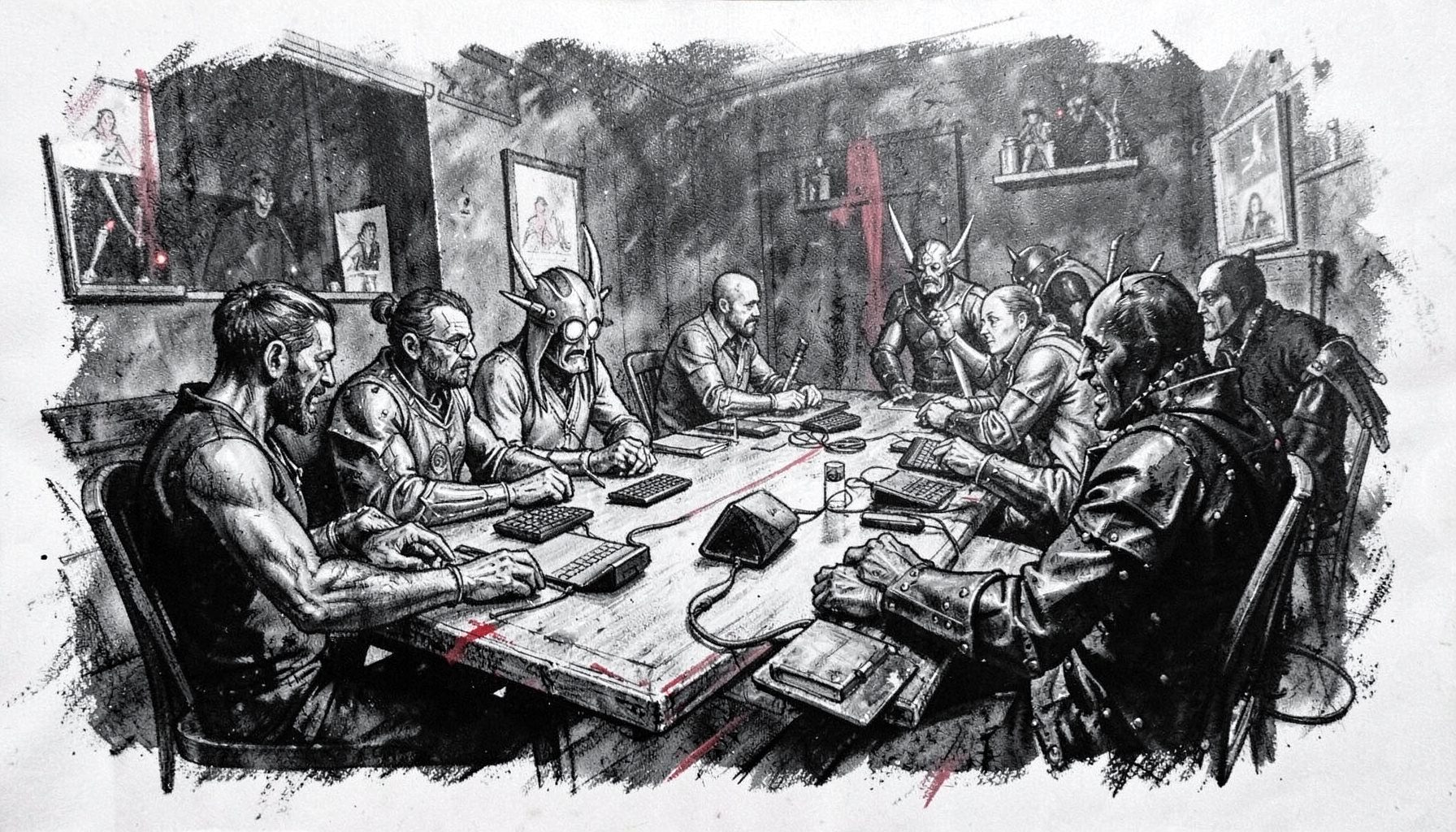
Building Your First LARP Character for a Weekend Convention
Packing for a trans-Pacific flight from Sydney or Melbourne to the United States means thinking about luggage weight, costume layers, and prop safety well before you board. A weekend LARP convention like the one held at Atlantic City's Showboat Hotel rewards players who arrive with a clear concept, a manageable kit bag, and a willingness to throw themselves into collaborative storytelling. For a first-timer, the goal is not a perfect hero straight out of a sourcebook but someone flexible enough to survive jet lag, three days of immersive sessions, and a few surprises on the floor.
Australian LARP circles have a long tradition of welcoming newcomers, from park battles in Sydney's inner west to weekend events run by community groups in Brisbane, Adelaide, and the suburbs of Melbourne. That same culture of inclusion travelled with players who attended the Atlantic City gathering in 2018, where the program emphasised collaborative storytelling over win-at-all-costs combat. Bringing that ethos into your first build means prioritising connection, curiosity, and a costume you can actually move in.
A good first character grows with you across a single weekend without losing momentum on day two. Keep the backstory short, the costume simple, and the goals flexible. The rest of this guide walks through the practical decisions that turn a blank character sheet into a memorable weekend, whether you are flying out of Perth for the first time or stepping into your first LARP after years of tabletop only.
Before you start writing anything down, skim the event details page and venue map. Knowing which rooms host heavy combat versus social intrigue helps you shape a character who feels at home in the parts of the convention you actually want to attend.
Choose a concept that fits a single weekend
The most common mistake first-time players make is designing a character for a year-long campaign. Long arcs require rival NPCs, slow-burn romances, and complicated faction loyalties, none of which can resolve across seventy-two hours. A weekend character only needs a single dramatic question: what does this person want before the doors close on Sunday?
A useful trick is to write a one-line goal in the present tense, like "I need to win the captain's favour before sundown" or "I want to prove a curse can be broken without violence." That sentence becomes your anchor when the plot veers off-course and gives other players an easy way to hook you into their scenes.
Think about the genre you are stepping into. If the event leans high fantasy, lean on a trope you already understand. If it skews gothic or contemporary horror, draw on something familiar from Australian fiction, like a bushranger myth or a coastal legend reworked with a darker edge. Familiarity gives you confidence on day one.
Pack a kit that survives the flight
Packing for an international convention requires ruthless editing. Your checked bag has to survive baggage handlers, your carry-on has to fit under a Boeing 787 seat, and every prop has to clear airport security in Los Angeles or San Francisco before you connect east. Soft kit travels better than rigid pieces: linen cloaks, leather bracers, fabric sashes, and a tabard with hand-stitched sigils.
Australian players often layer costume pieces for the climate shift. Atlantic City in late winter can drop close to freezing on the boardwalk after sunset, while the Showboat's interior halls feel tropical once a packed room fills with bodies. Pack a thermal underlayer, fingerless gloves, and a woollen scarf that reads as part of the costume rather than a tourist afterthought.
A pre-flight packing checklist helps first-timers avoid common oversights:
- Soft layers you can add or remove as the venue temperature shifts
- One signature prop small enough for your carry-on
- A repair kit with thread, safety pins, gaffer tape, and super glue
- A labelled water bottle and electrolyte sachets for long sessions
- Printed waivers, character sheets, and emergency contact details
- Comfortable closed-toe shoes for sixteen-hour convention days
Do not forget the small items that make a costume believable. A worn journal with handwritten notes, a prop coin from a hobby store in Melbourne, a packet of Twisties to share as in-character rations — these tiny details get more compliments than a hundred dollars of chainmail.
Write a backstory that opens doors, not closes them
Backstories for weekend characters should read more like an opening scene than an origin novel. Two or three sentences establishing who you are, where you come from, and one unfinished piece of business will do almost all the work. Long paragraphs of childhood trauma give other players nothing to grab onto, because the timeline is too dense to enter mid-story.
Lean into gaps rather than facts. Saying "I left my order under disputed circumstances" invites curiosity; spelling out every detail of the dispute closes the conversation. A well-placed secret, hinted at but not explained, becomes a magnet for character interaction. Keep one or two such hooks ready. The style guide explains which hidden details play well at the convention and which ones the organisers ask players to keep out of shared spaces.
For Australian newcomers, regional flavour can travel surprisingly well. A character who grew up in a remote Pilbara mining town, sailed out of Hobart, or trained with a fictional martial order based on the Mornington Peninsula gives you a distinct accent of identity without demanding constant explanation.
Keep mechanics light so the roleplay stays heavy
Mechanics exist to support the story, not smother it. Choose a build with no more than two or three signature abilities you actually remember under pressure. Anything more complicated becomes a tax on your attention when you should be listening to the NPC setting up the next plot beat. Read the event rules, but do not try to optimise your sheet the way you might min-max a Pathfinder build at home.
The following comparison should help you match a build to the style of play you actually enjoy. Think of it as a starting menu rather than a prescription.
| Archetype | Strength | Best for | Risk for new players |
|---|---|---|---|
| Social envoy | Conversations, persuasion, intrigue | Politics-heavy venues | Can feel passive in combat scenes |
| Skirmisher | Mobility, light combat, scouting | Mixed combat and exploration | Needs decent kit and stamina |
| Ritualist | Magic, lore, item crafting | Mystery and puzzle tracks | Slow to come online mid-event |
| Guardian | Defence, support, holding ground | Large group battles | Burns out without pacing |
Pick the column that fits the program you have signed up for, not the one that looks coolest in a sourcebook. A social envoy at a heavy-combat event feels stranded, while a guardian at a parlour mystery drags the energy down. The shape of the weekend should shape the character, not the other way around.
Respect safety lines and the event style guide
Every inclusive convention runs on trust, and trust runs on clear boundaries. Before you arrive, read the event policies covering harassment, refunds, and venue rules, and bring a printed copy in your kit bag. Skim them on the plane, not at two in the morning after your first loss in a duel.
Practical safety also includes the basics. Label your costume bag with your name and room number, hydrate more than you think you need to, and eat a real meal between sessions. Australian players often underestimate how dehydrating the recycled cabin air on a long-haul flight can be, so start replacing fluids before you even land.
The "no secrets" approach is worth understanding. It means a character's hidden backstory cannot include anything the player themselves would find uncomfortable if it came out in play. A line about a vanished sibling is fine; a line about detailed self-harm history is not, because another participant may not want to engage with that material in a crowded hall. Designing around this rule makes your character easier to play.
Find your crew and make the weekend last
Conventions feel intimidating until you find three or four people whose energy matches yours. The easiest way to meet them is to volunteer for a panel, sign up for a workshop, or show up to an early Friday session with a friendly character who has space in their storyline for new friends. Vendor hall demos, escape room bookings, and late-night social lounges are all designed to drop you into casual contact with players who share your interests.
Bring something small to trade or share. A box of Tim Tams from the duty-free in Sydney, a handful of opal-toned beads from a market stall in Cairns, or a printed zine of homebrew Australian tabletop lore all become natural conversation starters. Swaps like these build bonds faster than any number of business cards.
When the convention ends, do not let the character die with it. Post a short recap on a community Discord, swap contact details with the players whose scenes you most enjoyed, and ask one of them whether they run a continuing LARP back in Australia. Many first-time convention characters become the seeds of year-long campaigns once players return home to Perth, Canberra, or Geelong.
Bring the lessons home
The hours between the closing ceremony and your flight are the most underrated part of the convention. Use them to write down three things that worked, two things you would change, and one scene you want to steal for a future build. That five-minute debrief locks in lessons you would otherwise lose to jet lag.
Share what you learned with your home group, even if they only run tabletop RPGs. The instincts you picked up — improvising with strangers, respecting scene boundaries, packing light — translate directly back into one-shot campaigns and weekend retreats around regional New South Wales or along the Murray.
Subscribe to the convention mailing list before you board your return flight, then book a follow-up game with at least one person you met on the floor within a fortnight of arriving home. That single booking is what turns a single weekend of LARP into a sustainable habit.