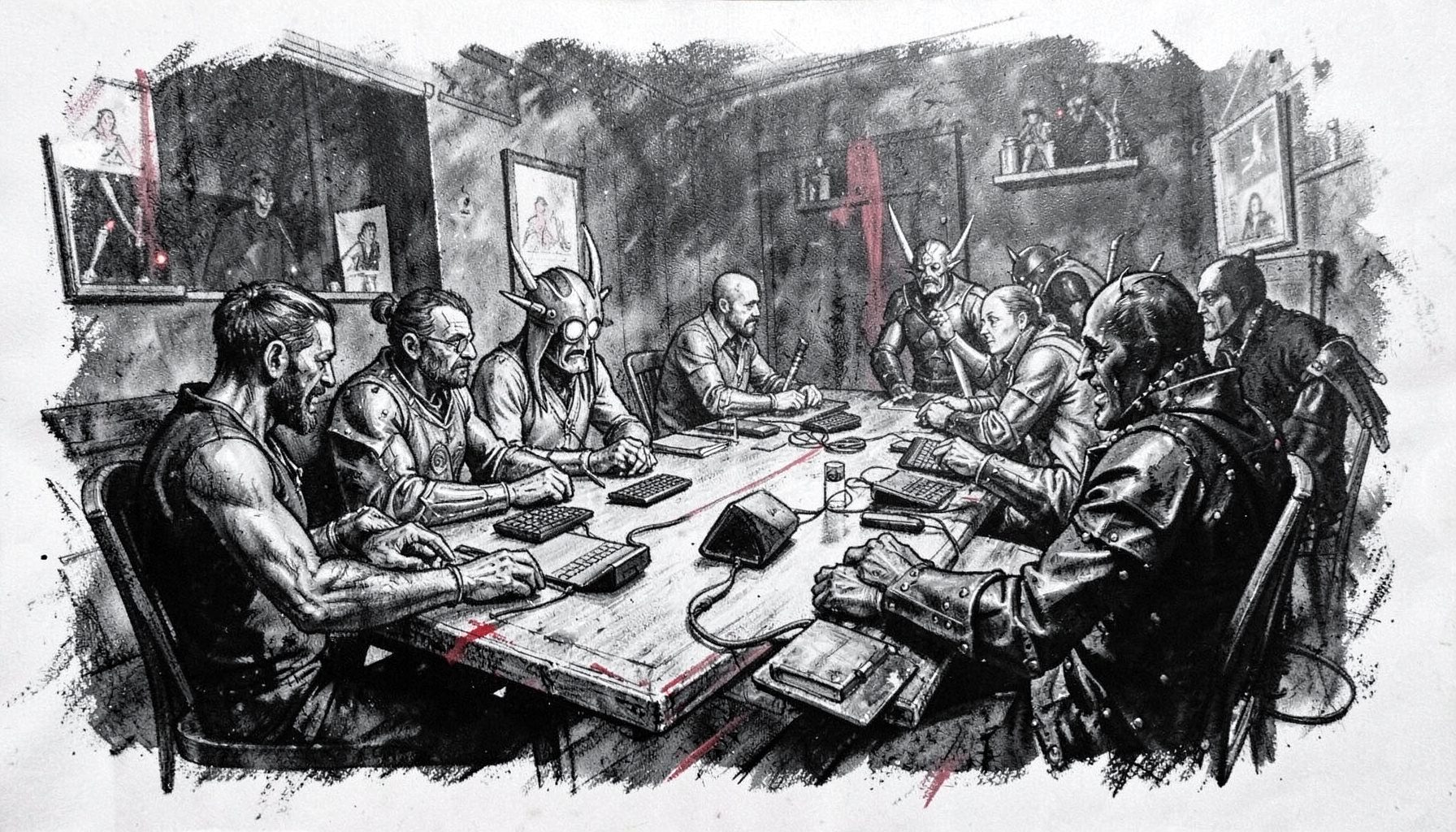
Creating a convention schedule that leaves room to play and breathe
A great gaming convention schedule should feel like an invitation, not an endurance test. Tabletop campaigns, live-action role-play, workshops, panels and social events all compete for attention, yet the best memories often come from the spaces between booked activities: a quiet coffee, an unexpected conversation in the hallway or enough time to reset before the next game.
For Australian attendees, planning also means allowing for long travel days, unfamiliar venues and the practical realities of a local convention market. A visitor travelling from Melbourne to Sydney, Brisbane to Adelaide or across the country to a major event may arrive with limited energy. A balanced timetable makes room for enthusiastic participation while protecting the rest that keeps the weekend enjoyable.
Start with energy rather than time
Before selecting sessions, divide the convention into energy levels. A three-hour tactical RPG, an emotionally intense LARP and a crowded panel may all be enjoyable, but they draw on different kinds of concentration. Physical movement, sustained role-play and social interaction can leave a player tired even when the activity itself is excellent.
Mark each event as low, medium or high intensity. Low-intensity options might include browsing the exhibitor hall, attending an art demonstration or joining a relaxed discussion. High-intensity activities could include an escape room, a competitive tournament or a live-action scenario that demands constant attention. The aim is to avoid placing several demanding commitments back to back.
A useful rule is to schedule one major anchor each morning and afternoon, then treat everything else as flexible. If the anchor is a long tabletop session, leave the surrounding hours open for food, travel within the venue and decompression. This approach works particularly well in large hotels or convention centres, where moving between rooms can take longer than expected.
Australian attendees may also need to account for travel fatigue. An early flight from Perth or a long train journey from regional New South Wales can make a late-night event feel much harder than it looked on the programme. Build in a gentle first activity rather than treating arrival day as a full gaming day.
Give every activity a realistic footprint
A session’s advertised duration rarely represents its total demand. A four-hour game may involve registration, table allocation, character creation, rules explanations, breaks and post-game conversation. A panel can run over time, while a popular workshop may require queuing before the official start. Schedule around the full footprint, not only the printed start and finish times.
Add at least 20 to 30 minutes between major bookings. Use more time when the programme moves between floors or buildings. This buffer protects the schedule from the small delays that naturally occur at a convention, including lost dice, crowded lifts, a long café queue or a conversation with a designer whose work has caught your attention.
Keep meals as fixed appointments rather than vague intentions. A missed lunch often creates an afternoon slump, and relying on snacks from a busy venue can become expensive. Australians are accustomed to a proper coffee break, so allow time for one instead of treating caffeine as something to collect while rushing between rooms. Checking whether vendors accept card payments and include GST in displayed prices can also prevent awkward pauses at the register.
The same principle applies to sleep. Set a realistic finish time for each night and make the final event optional when possible. A late social game may be worth attending, but it should not force an early-morning player into a full day of demanding activities with no recovery.
Build a rhythm across play, learning and rest
Variety prevents a convention from becoming monotonous, but too much variety can make the day feel fragmented. Group activities into broad blocks: immersive play, learning and discussion, shopping or exhibition time, and recovery. A morning tabletop session followed by lunch, an afternoon panel and an evening social game creates a clearer rhythm than six unrelated bookings.
Panels and workshops are valuable recovery choices when selected thoughtfully. They allow attendees to remain engaged without carrying the full responsibility of play. A design talk, world-building workshop or industry discussion can refresh the mind while offering useful ideas for the next game. The Atlantic City’s convention history also shows how location and convention culture can shape the experience beyond the individual sessions.
| Activity type | Typical energy cost | Best placement | Recovery needed |
|---|---|---|---|
| Short panel or talk | Low to medium | After a demanding game | 15–30 minutes |
| Tabletop RPG session | Medium to high | Morning or early afternoon | 30–60 minutes |
| LARP or immersive scenario | High | A major daily anchor | 60 minutes or more |
| Exhibitor hall visit | Medium | Between scheduled events | Flexible |
| Escape room or timed challenge | High | With an open block afterwards | 45–90 minutes |
| Social gathering | Variable | Evening, if sleep allows | Quiet time next morning |
Keep at least one uncommitted block each day. This is not wasted time; it is the part of the schedule that absorbs delays, supports spontaneous play and gives the body a chance to settle. It may become an impromptu card game, a second look at a publisher’s stall or a quiet hour in the hotel room.
A balanced convention schedule should also leave room for changing plans. If a panel turns out to be less relevant than expected, an open block makes it easy to leave without feeling that the entire day has failed. Flexibility is especially important at collaborative events, where conversations and invitations often develop organically.
Treat immersive events as major commitments
LARP deserves special treatment because it combines performance, movement, social pressure and sustained attention. Even a short scenario can require costume preparation, briefing, safety checks and emotional decompression afterwards. Avoid scheduling a LARP immediately before another activity that demands a completely different mindset.
The distinctive appeal of a strong LARP programme is its ability to make participation feel consequential. The unique LARP track demonstrates how immersive events can stand apart from ordinary convention programming through atmosphere and collaborative storytelling. That intensity is rewarding, but it makes a generous buffer essential.
Escape rooms and interactive challenges deserve similar treatment. The Detention Breakout experience, for example, would be better placed before an open meal or rest period than between two tightly timed seminars. Participants need time to discuss what happened, cool down from the pressure and deal with practical details such as props, bags or costume changes.
Plan a quieter activity after any event that asks attendees to perform, improvise or make rapid decisions. Browsing artwork, listening to a calm panel or sitting in a hotel lounge can help people transition. For groups, agree in advance that anyone may leave an immersive activity early without having to justify the decision.
Use a schedule that serves the whole group
Groups rarely share the same ideal pace. One person may want every tournament slot, another may be focused on indie RPGs, and someone else may attend mainly for panels, art and social connection. Build a shared framework with a few common anchors, then allow individual time around them.
A simple colour-coded calendar can show the difference between confirmed commitments, preferred options and open time. Keep transport, meals and rest in the shared view, because these are often the first items people forget when comparing separate personal schedules. A group chat can handle last-minute changes, while a printed copy remains useful when phones lose charge or venue reception becomes unreliable.
The Australian convention market rewards this kind of planning. Attendees may be balancing a weekend ticket with accommodation costs, domestic travel and the price of games or artwork from local creators. Setting a spending limit before entering the vendor hall leaves more room for worthwhile purchases and reduces the pressure to make hurried decisions. It is also sensible to check whether an event is fully accessible, air-conditioned and close to reliable public transport, particularly during hot weather or school-holiday periods.
A good timetable should finish with something achievable rather than an obligation. That might be a final casual game, a farewell meal or one last pass through the exhibition area. The practical takeaway is simple: choose a few activities that matter most, protect meals and sleep as firmly as booked sessions, and leave enough open space for the convention to surprise you.