Atlantic City’s Journey from Resort Town to Gaming Convention Hub
Atlantic City is best known for its boardwalk, ocean views and casino industry, yet its appeal to gamers has deeper roots than the modern convention calendar suggests. The New Jersey resort has long provided the hotels, theatres, dining rooms and entertainment infrastructure needed for large gatherings, creating a natural setting for hobby events as tabletop role-playing, board games and live-action role-playing became more visible.
For Australian players, the city offers an interesting contrast with destinations such as Melbourne, Sydney and Brisbane, where gaming conventions often grow from dedicated fan communities and purpose-built exhibition venues. Atlantic City’s identity was shaped by tourism first, casino gaming later and collaborative convention culture more recently. The 2018 High Level Games Convention at the Showboat Hotel reflected that layered history.
| Period | Atlantic City’s gaming relevance | Convention significance |
|---|---|---|
| 1850s–1920s | Rail access and seaside tourism expanded rapidly | Hotels and public entertainment venues supported large gatherings |
| 1930s–1970s | Boardwalk culture, theatres and resort events remained central | Organisers gained experience hosting themed and fan communities |
| From 1978 | Legal casino gambling transformed the local visitor economy | Major hotels developed extensive event and exhibition facilities |
| 1990s–2010s | Hobby games, LARP and electronic gaming became more mainstream | Specialist conventions gained room for tournaments, panels and vendors |
| 2018 | Showboat hosted High Level Games Convention | Tabletop, LARP, workshops, exhibitors and immersive activities shared one event |
A Resort Built for Gatherings
Atlantic City’s convention potential began with its development as a seaside retreat in the nineteenth century. Rail connections from Philadelphia made day trips and longer holidays practical, while the Boardwalk helped turn the shoreline into a recognisable entertainment district. Hotels, restaurants, theatres and public amusements created a compact visitor environment where large groups could meet away from ordinary routines.
That infrastructure mattered to gaming organisers long before role-playing conventions became common. A convention needs sleeping rooms, flexible halls, food nearby and activities that can continue after the main programme closes. Atlantic City already had those ingredients through its resort economy. The same qualities that attracted holidaymakers could support a weekend of campaign sessions, costume events or design workshops.
The city’s atmosphere also suited games based on performance and fantasy. Boardwalk lights, grand hotel interiors and the constant movement of visitors can make a convention feel distinct from a standard trade show. For attendees travelling from Australia, the experience is quite different from a weekend at PAX Aus in Melbourne, where the surrounding city feels integrated into a large technology and games festival.
Casinos Changed the Convention Economy
Legal casino gambling arrived in Atlantic City in 1978, reshaping the city’s business model and physical landscape. Casino resorts brought larger hotel inventories, meeting rooms, restaurants, entertainment programmes and marketing budgets. They also helped establish the city as a place where visitors could spend several days within a concentrated tourism district.
This change created opportunities for many kinds of events, including gaming conventions. A tabletop gathering does not require a casino floor to be successful, but it benefits from the same hospitality systems: central accommodation, late-night dining, event security and spaces that can be reconfigured for different groups. Exhibitors can unload equipment, attendees can move between sessions, and social play can continue well beyond a single afternoon.
The relationship between casino culture and hobby gaming is more nuanced than it first appears. Casino games are generally built around chance and wagering, whereas tabletop RPGs depend on imagination, rules and shared storytelling. Still, both attract people who enjoy structured play, spectatorship and memorable social experiences. Atlantic City’s commercial gaming identity provided visibility and facilities, while the convention community supplied a more collaborative form of play.
Tabletop Communities Found a Wider Home
During the 1990s and 2000s, tabletop role-playing games, collectible card games, miniatures and board games became increasingly organised through local stores, online forums and convention networks. Events could now serve several overlapping audiences: experienced players seeking long campaigns, newcomers wanting introductory sessions, designers testing prototypes and fans attending costume or live-action events.
This broadening of the hobby helped Atlantic City function as more than a casino destination. A convention could use hotel rooms for scheduled games, larger halls for tournaments, workshop spaces for teaching and public areas for social interaction. The format allowed different communities to overlap without requiring them to enjoy exactly the same games.
The variety is visible in popular TTRPG systems played at High Level Games Convention. A programme that includes several systems is important for an inclusive event because it avoids treating one ruleset, publisher or play style as the entire hobby. Australian conventions face a similar need, balancing Dungeons & Dragons groups with Pathfinder, Call of Cthulhu, indie games, board games and locally designed titles.
Why Showboat Suited High Level Games Convention
The Showboat Hotel provided a fitting venue for the 2018 High Level Games Convention. Its location placed attendees close to Atlantic City’s established attractions, while its hotel and event facilities allowed the convention to operate as a concentrated weekend community. Visitors could arrive for scheduled sessions, explore the exhibitor area, join a panel and return to role-play without constantly travelling between suburbs or venues.
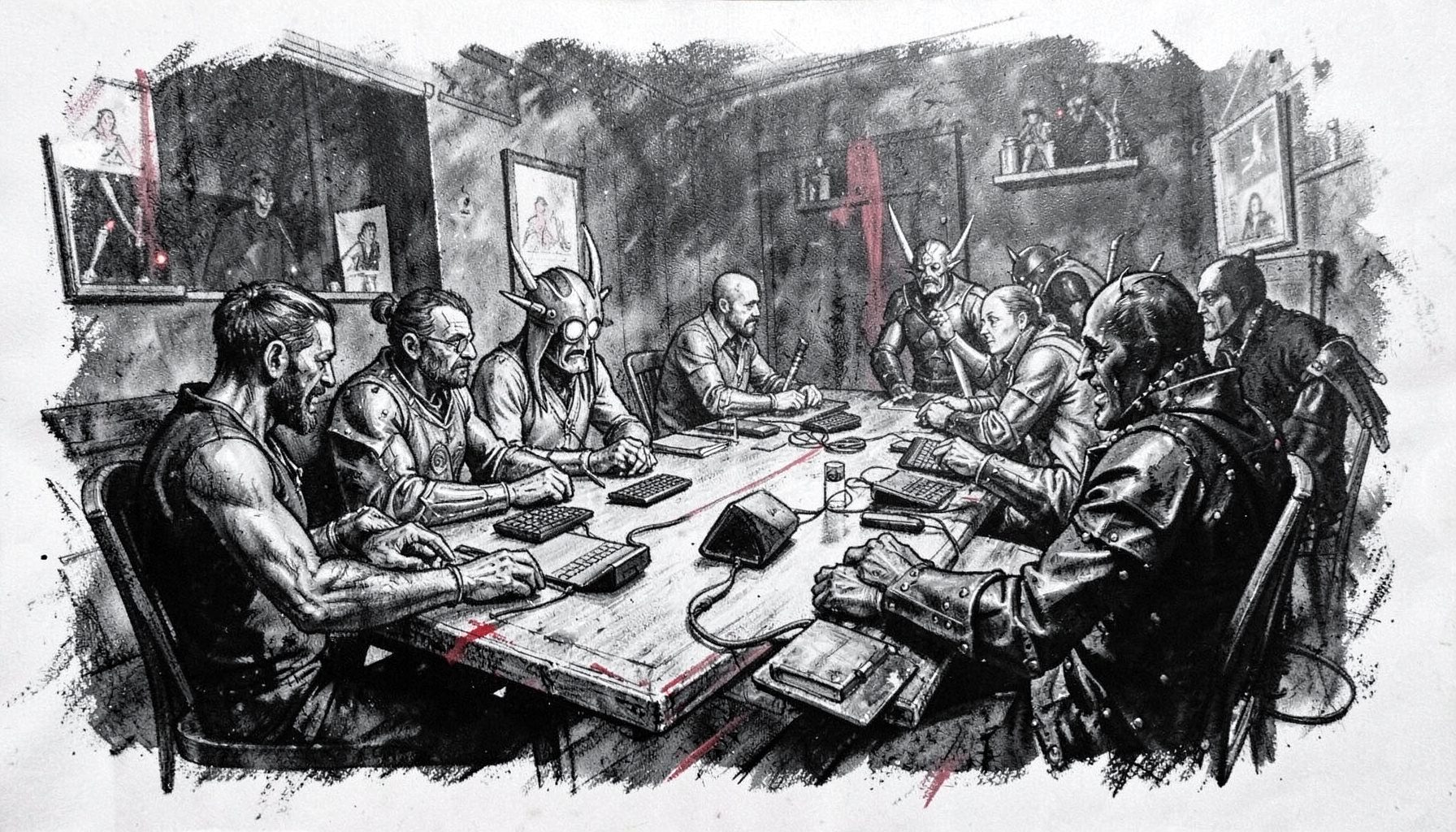
The programme reflected the expanding definition of a gaming convention. Tabletop sessions sat alongside LARP experiences, workshops, panels, artists, publishers and vendors. Escape rooms added a physical, puzzle-focused activity, while immersive events gave participants opportunities to perform rather than simply sit at a table. This mixture echoed the way Australian events often combine tabletop halls with cosplay, demonstrations, tournaments and creator sessions.
The exhibitor hall was especially significant because it connected play with the wider business of games. Designers could meet players directly, publishers could explain their catalogues and artists could show work that might otherwise be discovered only online. Accounts of the event include exhibitor hall stories, showing how vendors contribute to the atmosphere and identity of a convention rather than serving as background retail.
A Convention Culture Shaped by Participation
High Level Games Convention represented a shift away from the idea that attendees are merely spectators. Role-playing depends on contribution, whether someone is acting as a character, running a game, painting a miniature, facilitating a workshop or helping a new player understand the rules. The result is a convention model based on participation and collaborative storytelling.
That approach has particular relevance for the Australian market, where community-run events and friendly local game stores play an important role. A player from Perth or Adelaide may travel long distances for a major convention, while smaller groups in Sydney, Brisbane or Canberra often build their scenes through regular meet-ups. Travel costs, accommodation prices and Australia’s large distances make a welcoming programme valuable: every session should feel worth the journey.
Inclusive design also involves clear conduct standards and thoughtful communication. Organisers need to make expectations visible before the event, especially when a programme includes intense role-play, costumes, physical activities or horror themes. High Level Games’ style guide illustrates how convention culture can establish shared expectations without removing the spontaneity that makes games enjoyable.
What Atlantic City Offers Modern Players
Atlantic City’s strength as a gaming destination lies in its combination of accessibility, atmosphere and adaptable venues. Philadelphia is close enough to support regional travel, while the city’s hotels can accommodate visitors who want a full weekend rather than a single day. The Boardwalk supplies a recognisable setting between sessions, and the casino-resort economy leaves convention organisers with a broad hospitality base.
There are practical comparisons for Australians planning an overseas convention trip. Flights, exchange rates and travel insurance can make a New Jersey weekend far more expensive than attending PAX Aus in Melbourne or a local convention in Sydney. Imported games may also cost more because of shipping and Australia’s 10 per cent GST, so visitors often plan purchases carefully rather than assuming every American release will be a bargain.
Useful planning priorities include:
- Compare hotel packages with the total cost of transport, meals and event tickets.
- Check whether scheduled games use familiar systems or require advance rules preparation.
- Allow luggage space for books, dice, miniatures and artwork purchased from vendors.
- Convert session times into Australian Eastern, Central or Western time when joining online follow-up events.
- Read conduct, accessibility and costume guidance before booking specialist activities.
For many visitors, the value is not measured by casino spending. It comes from meeting designers, finding a new group, playing an unfamiliar system and sharing stories with people who approach games from different backgrounds. That is why Atlantic City’s convention history matters: the city’s old tourism machinery became a platform for newer forms of social creativity.
The 2018 event sits within a larger progression from seaside resort to entertainment capital and then to a flexible home for hobby communities. Its importance is less about replacing one kind of gaming with another than about showing how different play cultures can occupy the same destination. For a practical takeaway, treat an Atlantic City convention as a complete experience: choose sessions in advance, budget for the surrounding resort environment and leave room for the unexpected game, creator or community you discover on site.