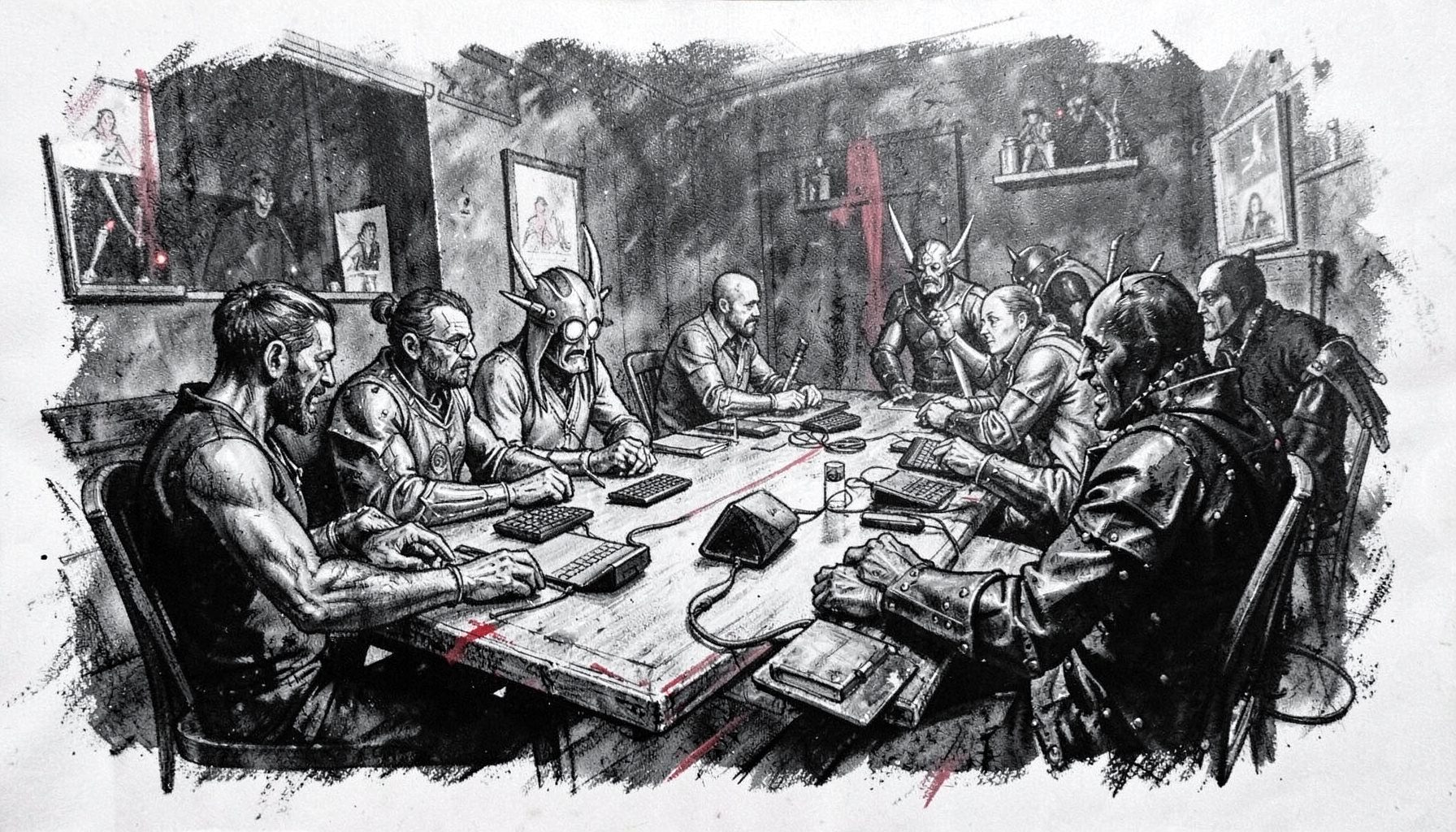
Designing escape room puzzles that carry a story worth solving
Escape rooms have spread through Australian cities over the last decade, from pop-up experiences in Melbourne's laneways to permanent venues in Brisbane and Perth. Yet too many still feel like a stack of padlocks taped to a wall. The ones that linger in memory are the puzzles that quietly carry a story, where every clue sits inside a narrative that makes the solving feel personal. Building that kind of experience means thinking less like an engineer wiring gadgets and more like a games master running a session around a table.
Good design treats the story as the engine, not the garnish. The setting, props, soundtrack and timing all serve an unfolding tale that players shape with their choices. When it works, a team walks out remembering the moment they finally decoded the forger's notebook, not the satisfaction of opening their seventh lock. What follows is a walk through the craft of building puzzles that tell a story, with notes drawn from community work at events like High Level Games Convention.
Anchor the puzzle in a clear story spine
Every memorable escape room starts with a single dramatic question. Maybe a cryptic letter has been left in a Sydney harbour-side office, or a musician has vanished hours before a festival set on the Mornington Peninsula. Whatever the premise, the puzzle sequence must be a logical answer to that question, not a random obstacle course. Begin with a one-paragraph synopsis of the story, then design backwards from the climax. The moment players break the final code should feel inevitable in hindsight, the way a twist in a well-plotted novel feels earned.
A strong spine also gives you permission to cut. If a clever combination lock does not serve the narrative, leave it out, even after a weekend of building it. Australian players, especially those from tabletop or LARP backgrounds, can smell filler instantly. They would rather solve three puzzles that matter than seven that pad out the timer. Keep the story tight and the puzzle count will look after itself.
Treat every object as a story beat
Props are not decoration. A battered field journal on a desk is evidence waiting to be read, a breadcrumb that hints at the person who left it. When designing a puzzle, ask what each object would be doing in the real world of the story. A chemist's notebook in an Adelaide laboratory should hold notes that contradict the official version. A child's drawing in a Brisbane share house should include a detail only a careful eye will catch, a clue that cracks the next stage.
Texture matters as much as content. Aged paper, scuffed leather, handwritten labels: these details ground the experience in a world that feels lived-in. For designers on tighter budgets, op shops around Fitzroy or Newtown can yield perfect props for a fraction of the price of custom fabrication. The rough charm of a second-hand item often beats a shiny new replica because it carries its own history into the room.
Think like a games master building a session
Tabletop designers have spent decades refining pacing, misdirection and emotional payoff, and escape room design borrows from the same craft. Anyone new to adventure writing will find useful grounding in the first RPG adventure module workshop write-up. A good module balances scripted moments with player agency, and the same applies to a live experience. You write the bones of the story, then leave room for the team to surprise you.
This is where a live host becomes invaluable. A gamesmaster who can nudge a stuck group, drop a whispered hint from another room, or react to a clever solution turns a static experience into a shared story. The best Australian operators now build in a host console that lets the operator reshape the flow in real time, especially when a keen-as-mustard team blows through the planned route in twenty minutes flat. The story stays intact because someone is there to improvise the connective tissue.
Weave in cultural details that feel real
A story lands harder when the details are specific. A 1940s Sydney wharf mystery feels different from a 1940s mystery in an unnamed port, because the slang, props and visual cues all point to a recognisable place. Designing a Prohibition-era caper, use the language of the period but anchor it in Australian history. Maybe the bootlegger is running rum through Hobart, or the gang is hiding in a wool store in Fremantle. Specificity does the work.
It also rewards repeat customers and history buffs. A puzzle built around a real Australian event, like the legends around the Dogtrap Hotel or the strange history of the Frederick Valentine, gives local players a thrill of recognition. For international visitors, the unfamiliar details become flavour, a way of being immersed in a place they may never have visited. Designers curious about how performance and narrative blur in live settings will recognise parallels in the rise of immersive theatre and LARP, a piece that traces how staged storytelling has shaped participatory games.
Playtest until the story holds together
The first time a new room runs, it will break. Players will solve a puzzle you thought was bulletproof in four minutes, then get stuck on a clue you barely noticed writing. That is normal. Playtesting is not a final polish, it is the design. Run small groups, ideally matching your target audience, and watch where they hesitate, where they laugh, where they look at each other in confusion. Take notes between every run, then adjust.
Watch whether the story is still legible. A common failure is a clever mechanical puzzle swallowing the narrative, so players remember the trick but forget why they were solving it. When that keeps happening, simplify the mechanism or strengthen the framing. The story is the thread players follow through the room, and the experience falls apart the moment that thread is lost. For public-facing experiences, it pays to check the policies page for guidance on waivers, accessibility and safe play, especially when the room involves physical contact, strobe lighting or tight spaces.
Lessons that surface after the first hundred runs
Designing one good room is a thrill. Designing a room that still feels good after two years and a thousand bookings takes a few steady habits, and a willingness to learn from the mistakes that show up in every first run. The traps below drain a story quietly, and the habits are the small disciplines that keep a room sharp across seasons and staffing changes.
Most of the trouble comes from overdesigning the moment rather than the thread. A puzzle that delights in isolation but breaks the narrative flow will be remembered as clever rather than meaningful. Players are more forgiving of rough edges than they are of confusion about why they are solving something in the first place.
Puzzle traps that drain the story:
- Relying on padlocks that have nothing to do with the plot, so solving feels mechanical rather than meaningful.
- Hiding clues that are only visible to tall players or those standing in one spot, which quietly excludes anyone outside the average build.
- Using red herrings with no payoff, so misdirection feels like wasted time rather than clever storytelling.
- Over-explaining the story in an opening monologue, when a single prop or letter would do the same work more elegantly.
- Forgetting to brief the host, so the gamesmaster cannot improvise when players go off-script.
Steady habits that keep a room sharp:
- Photograph the room in its finished state so resets are quick and consistent between bookings.
- Build a graded hint ladder for every puzzle, from a gentle nudge to an obvious pointer.
- Keep a maintenance log for every prop, especially anything electronic, and check batteries weekly.
- Schedule a full story audit once a season, walking through as a first-time player would.
- Stay connected with the broader community through local meet-ups, forums or conventions.
The aim is to leave the room feeling like the story mattered, like the hour inside belonged to something larger than the timer on the wall. When the last lock clicks open, players should be carrying a tale with them, one they will retell over arvo drinks with friends. The puzzles are simply the way you hand them the story, one clue at a time.