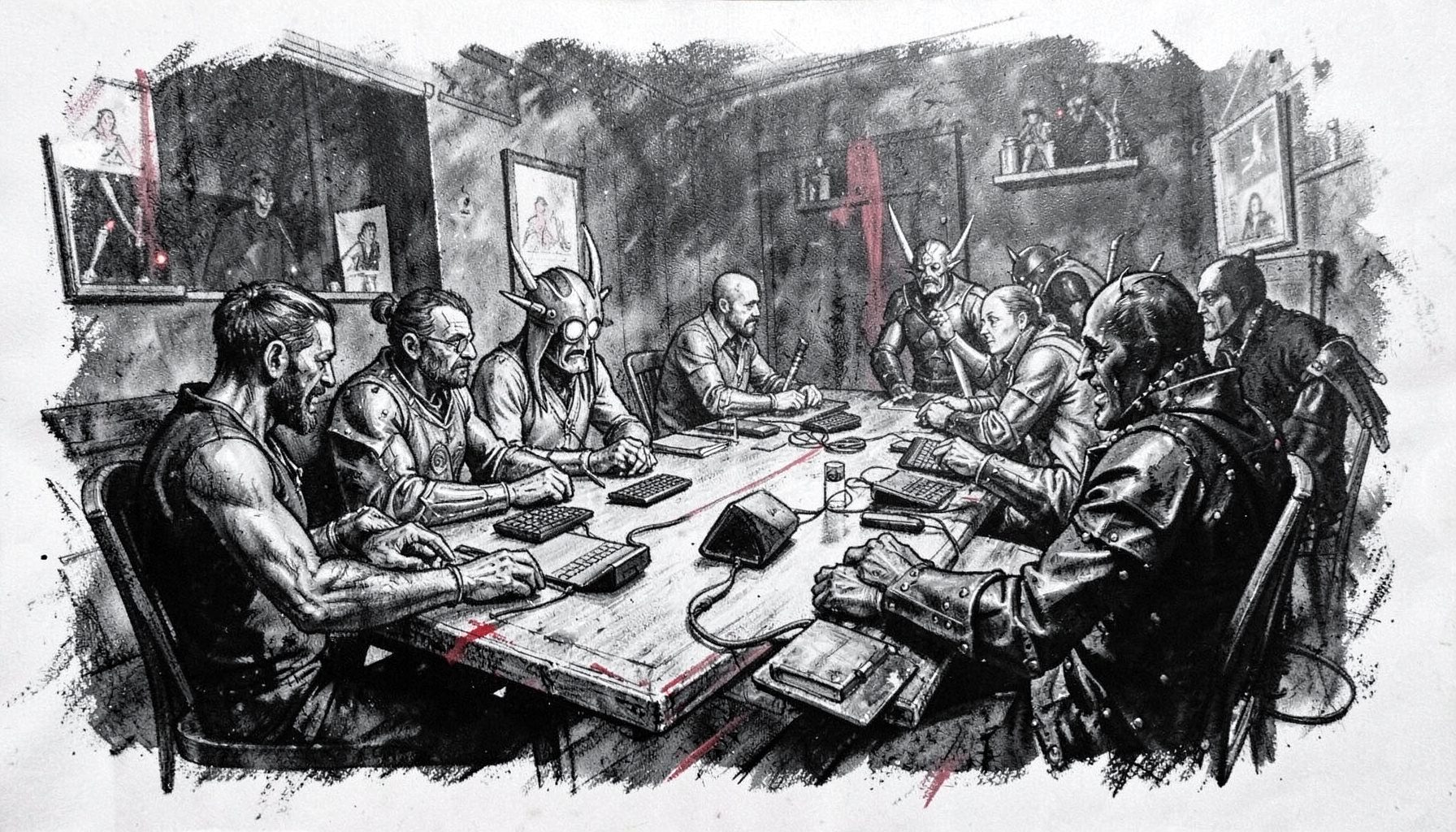
Calming first convention nerves with wisdom from seasoned attendees
Walking into a packed convention centre for the first time can feel like stepping onto a stage you never auditioned for. Your heart hammers, your brain keeps scanning for the nearest exit, and suddenly remembering your own name becomes a small triumph. The good news is that every long-time convention regular remembers that exact feeling, and most of them have turned their hard-won coping tricks into a quiet art form.
At the 2018 High Level Games Convention at the Showboat Hotel, the energy was equal parts buzzing and welcoming, and that mix is exactly what can throw a newcomer off balance. Rather than winging it and hoping for the best, a bit of preparation borrowed from veterans can turn a wobble into a warm memory.
Lead the week before with a gentle plan
Most people who get anxious at conventions do not get anxious at the convention itself. They get anxious in the days running up to it, when the to-do list turns into a tower of tiny decisions. Pack your bag a full week ahead if you can, and lay everything out on the spare bed so nothing becomes a Sunday afternoon scramble at the servo. This is also the moment to read up on the venue, the Showboat's layout, and the specific event schedule. A clear packing checklist walks through what to bring, what to leave behind, and the small comforts that make a hotel room feel liveable for a long weekend.
Do a quiet run-through of your social batteries before you leave home. If you know you are drained after a couple of hours of small talk in your own suburb in Melbourne, plan for a recharge break rather than promising yourself you will grind through the full programme. The convention will still be there after a quiet dinner, and so will the people you actually want to see.
Arriving without burning out
When you step into a venue for the first time, the temptation is to see everything in one pass. Resist it. Pick up the map, find the bathrooms, the food court, and the quiet corner, and treat those as your anchor points. Knowing where you can disappear to for five minutes removes about half the background hum of anxiety. Australians travelling long haul often arrive in Atlantic City already worn out, so a proper rest on arrival beats any extra hour in the exhibitor hall.
A small ritual helps too. Maybe a flat white from a nearby cafe, a quick scroll of your phone, or a slow walk past a window. Whatever centres you, do that before the first panel. The convention is not a race, and the regulars know it. Most of them have built their entire weekend around pacing rather than panic.
Finding your people on the floor
The single biggest anxiety reducer at any convention is finding your tribe, and the best way to do that is to follow curiosity rather than courage. Sign up for a tabletop session in a system you have never tried, drop into a workshop you are curious about, or simply stand near a stall that catches your eye and let the conversation happen. A session on writing your first RPG adventure module is a perfect low-pressure way to be useful while meeting people who care about the same things you do.
Do not underestimate the value of a small prop or a painted miniature either. Handmade gear, even a humble piece from a DIY LARP props session, becomes a doorway to conversation in a way that a stranger's lanyard never will. People who build their own gear almost always want to talk about it, and that shared enthusiasm is the fastest social icebreaker you will find anywhere on the show floor.
Eating, hydrating and sleeping like a regular
Convention anxiety loves to borrow the voice of hunger or exhaustion, and most first-timers cannot tell the difference. Eat proper meals at roughly the times you would at home, even if that means missing the late-night LARP you were curious about. Australians used to smashing a meat pie at the footy will do well to remember that the food court options in Atlantic City are not exactly the Adelaide Central Markets, so packing a few familiar snacks in your bag is a fair dinkum lifesaver.
Water is even more important than food. Hotel air conditioning and crowded halls dehydrate you faster than a summer arvo in Brisbane, and dehydration shows up as the same racing thoughts and tight chest that anxiety does. Keep a bottle on you, refill it at every chance, and sip through the day. Sleep is the third pillar. The parties and the late-night games can wait, and the people you meet on Sunday morning are often the ones you actually remember.
When the jitters crash the party anyway
Sometimes, despite all the planning, the anxiety wave still hits. It might happen in a crowded LARP session, halfway through a panel, or simply while waiting in a queue for a coffee. Regulars have a few go-to moves. The first is breathing: a slow four-second inhale, a hold, and a long exhale repeated four or five times can drop your heart rate noticeably. The second is a grounding trick, naming five things you can see, four you can touch, three you can hear, and so on. The third is permission. You are allowed to step outside. You are allowed to skip the late event. You are allowed to spend an hour in your room watching a show on your phone and no one will think less of you.
If you are travelling with a mate, agree on a simple check-in phrase beforehand. Something like "I need a quiet ten" removes the need to explain yourself in the moment. If you are solo, the convention's info desk and friendly volunteers are usually the calmest people in the building, and asking them for a quiet spot is something they hear often enough that you will not be the first.
Saying no without guilt
Many Australians bring a fair amount of social agreeableness to a convention, and that can backfire fast. The polite "yeah, keen" in a Brisbane pub is a wonderful cultural reflex, but at a con it can pile four extra commitments onto a day you already had planned. Saying no is not rude, it is self-preservation. A simple "I am pacing myself this weekend, but I would love to catch up tomorrow" works almost every time, and most people respect it immediately.
Likewise, if someone invites you into a long campaign or a high-intensity LARP, it is perfectly fine to ask for the elevator pitch, the commitment level, and a little time to think. The best groups at a convention are the ones that want you to be keen, not coerced. If a group reacts badly to a polite pause, that tells you everything you need to know about whether to come back for round two.
Leaving with a plan, not a hangover
The days after a convention are where the real growth happens, especially for someone who pushed through anxiety for the first time. Take a day to do nothing when you get home. Sleep, eat, and let the experience settle before you fire off a hundred messages to new friends. A few days later, open a notebook and jot down what worked, what you would skip next time, and which people you genuinely want to see again. That small ritual turns a one-off event into a learning loop, and it makes the second convention a hundred times easier.
You will not remember the awkward moment in the lobby. You will remember the dice roll, the unexpected ally, and the feeling of belonging to a room full of strangers who turned into friends by Saturday night. The anxiety was real, and so was everything you did to push through it. Hold onto that, and the next convention will feel less like a leap and more like a walk down a familiar street.