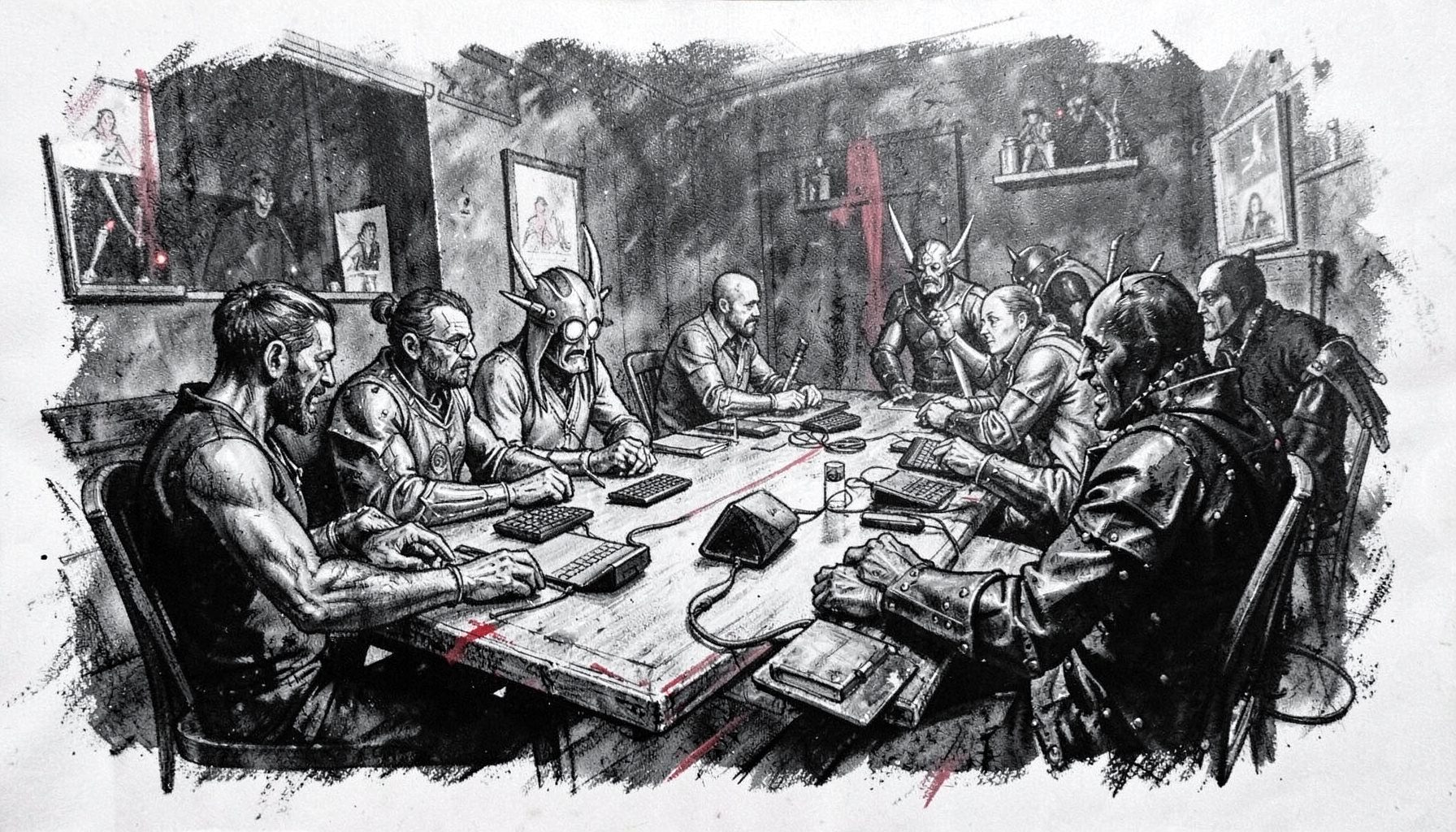
DIY LARP Props Inspired by the HLGCon Crafting Session
Live-action role-playing props do not need a professional workshop, expensive materials, or a trailer full of scenery. A cardboard relic, weathered map case, potion bottle, or character badge can give players something tangible to hold, trade, protect, or steal. The strongest pieces support the story while remaining safe, comfortable, and practical during a busy game.
The crafting spirit associated with High Level Games Convention was grounded in shared creativity. At the 2018 event at the Showboat Hotel in Atlantic City, players, designers, artists, and LARPers explored collaborative storytelling through workshops, immersive activities, tabletop games, and live-action experiences. The same approach works at home in Australia, whether a group is preparing for a weekend event in Melbourne, a park-based game in Brisbane, or a small indoor session in Sydney.
| Prop Project | Main Materials | Approximate Time | Best Use |
|---|---|---|---|
| Painted foam amulet | EVA foam, cord, acrylic paint | 30–60 minutes | Character costume or faction token |
| Aged scroll case | Cardboard tube, paper, string, paint | 45 minutes | Quest item or messenger prop |
| Potion bottle | Plastic bottle, labels, fabric scraps | 20–30 minutes | Alchemy, trading, or tavern scenes |
| Soft weapon accessory | Foam, fabric, contact adhesive | 1–2 hours | Costume detail, subject to event rules |
| Travel journal | Recycled notebook, tea-stained paper, thread | 45–90 minutes | Clues, lore, and character prompts |
Start With Story And Safety
A useful prop answers a story question. Who made it? Why does the character carry it? What changes when another player finds it? Before cutting materials, write a short history for the object and decide whether it is a personal possession, a faction symbol, evidence, currency, or a quest objective. This keeps a craft project focused rather than decorative for its own sake.
Safety should shape the design from the beginning. Use rounded edges, secure fastenings, non-toxic paint, and lightweight materials. Avoid exposed wire, sharp metal, glass, loose glitter, and anything that could be mistaken for a real weapon. Soft foam props still need inspection, particularly around handles, seams, and pointed sections. Follow the organiser’s equipment rules and check the venue’s requirements before bringing an item to play.
Australian conditions add a few practical concerns. Outdoor events can involve intense sun, sudden rain, dusty ground, and long walks between scenes, so seal paper components and pack a waterproof bag. In hot weather, a large helmet or heavy cloak may become uncomfortable quickly. A prop that can survive a tram ride across Melbourne or a warm afternoon at a Brisbane park is more valuable than one designed only for a photograph.
Choose Materials That Are Easy To Find
A home LARP kit can begin with ordinary supplies from a craft shop, stationery aisle, op shop, or hardware store. EVA foam offcuts, corrugated cardboard, cotton cord, acrylic paint, PVA glue, masking tape, felt, and recycled plastic containers cover a surprising range of builds. Bunnings is convenient for foam, sandpaper, adhesives, and storage tubs, while Spotlight and local independent craft shops are useful for fabric, trims, and faux leather.
Reuse also improves the fictional history of a prop. A cereal box can become a rigid panel inside a book cover; an old belt can provide straps; a clean yoghurt container can turn into a specimen jar. Wash and dry recycled packaging thoroughly, remove food labels, and test adhesives on scraps. Some plastics resist glue, and hot glue can warp thin surfaces or cause burns, so adult supervision is sensible for younger makers.
A modest budget is realistic if each material serves several projects. Buy a small range of earth-tone paints rather than every colour, and keep offcuts in labelled envelopes. Australian shoppers should also allow for delivery costs when ordering specialist foam or costume hardware online. Locally sourced materials often make repairs easier on event day and avoid waiting for an imported parcel.
Build A Prop With Character
A foam amulet is a forgiving first project. Sketch a simple symbol, transfer it to EVA foam, cut two matching shapes, and glue them around a cord or ribbon. Once dry, add a base coat, darker paint in the recesses, and a dry-brushed highlight on raised edges. A little sandpaper can soften the outline, while a clear water-based sealant protects the finish from handling.
For a scroll case, cut a cardboard mailing tube to a comfortable size and cover it with brown paper, fabric, or thin craft foam. Add end caps, a shoulder cord, and a paper label bearing a faction mark. Dry-brushing dark brown around the rim creates a convincing worn effect. Keep the tube open if players need to exchange messages quickly, and avoid making the strap so long that it can catch on branches or furniture.
A potion bottle can be made from a small, transparent plastic container with a screw top. Fill it with coloured water only if the lid is fully secure, or use tissue paper and a label to suggest contents without liquid. Mark it clearly as a prop and never use a container that could be confused with an actual drink. In a crowded tavern scene or game room, that distinction prevents avoidable mistakes.
Add Detail Without Losing Durability
Surface treatment gives inexpensive materials their visual identity. Base colours should be followed by shadows in seams and highlights along edges. For timber, use uneven brown strokes; for metal, combine charcoal with a small amount of silver; for leather, add irregular lighter marks near corners. Weathering should suggest use rather than cover every surface in dirt.
A practical prop has to survive handling by several people. Reinforce paper with book-cover film or diluted PVA, stitch fabric where a glued seam would take strain, and place decorative pieces away from areas that rub against the body. Test the finished object by carrying it for an hour, setting it down repeatedly, and opening any clasps or pouches with one hand.
Good props also communicate information quickly. Use colour, symbols, tags, or stamped numbers so players understand whether an item is valuable, dangerous, faction-owned, or safe to touch. If a clue is hidden inside a journal, make the compartment discoverable without tearing the prop apart. The most effective crafting projects invite interaction while protecting the game organiser’s preparation.
Prepare A Portable Crafting Kit
A compact kit helps players repair costumes and props between scenes. Keep blades capped, adhesives sealed, and paint in a small zip pouch. Bring a rubbish bag and a damp cloth, especially when working in a hotel room, community hall, or shared convention space. At an event like HLGCon, tidiness supports the wider community and prevents a creative workshop from becoming a hazard.
Useful supplies include:
- EVA foam scraps and corrugated cardboard
- Acrylic paint, brushes, and a water container
- PVA glue, masking tape, and fabric adhesive
- Scissors, a cutting mat, and a blunt pencil
- Cotton cord, safety pins, and spare fasteners
- Labels, permanent markers, and resealable bags
Plan for transport as carefully as construction. A rigid shield may not fit on public transport, while a delicate paper crown can be crushed in a backpack. Flat-pack components, collapsible containers, and foam inserts make travel easier. For an interstate event, photograph the finished prop before packing it and carry a small repair version of the key materials.
If you are attending an organised convention or LARP, check the timetable and participation information before preparing a large build. The registration details for an event can reveal venue expectations, session access, and practical information that affects what you bring.
Make Props Part Of The Game
A prop becomes memorable when it creates a reason for players to speak, negotiate, investigate, or collaborate. A sealed letter can contain a rumour, a faction badge can grant access, and a damaged map can require several characters to interpret it. Give important objects a clear owner and a simple rule for how they enter or leave play.
Use props to support immersive theatre rather than replace role-play. A character does not need a perfect antique-looking journal if the journal contains a useful prompt such as a debt, a secret, or a missing name. The connection between object and performance matters more than the quality of the finish. Discussions of immersive theatre and LARP show why physical details can help players feel that a fictional world continues beyond scripted scenes.
Before play begins, explain boundaries around searching, touching, borrowing, and destroying props. Some players may be happy for a pouch to be inspected, while others may prefer an item to be handed over rather than removed from their costume. Mark out-of-character information clearly and agree on procedures for lost property. Inclusive participation depends on making the game understandable and respectful for newcomers, experienced players, and anyone with access needs.
Finish With A Repeatable Workshop Method
A short crafting session works best when it follows a repeatable sequence:
- Define the prop’s story purpose and handling rules
- Sketch a simple shape that matches available materials
- Build a lightweight base before adding decoration
- Test comfort, strength, visibility, and storage
- Add paint, labels, symbols, and weathering
- Photograph the result and record repair notes
Set aside time for drying, testing, and cleaning rather than treating those steps as afterthoughts. Acrylic paint may feel dry while remaining vulnerable to rubbing, and adhesive joins often need several hours before they can take strain. Pack a spare cord, label, or fastening for the first game, because small repairs are easier when the original material is available.
The HLGCon crafting approach is valuable because it treats making as part of community play. A simple prop can carry lore, encourage collaboration, and make a new participant feel immediately involved. Start with one lightweight object, use safe household materials, and test it in the conditions where it will actually be used; a durable story device is ready when it works in a backpack, survives a full session, and gives players a reason to interact.