Gaming on little sleep without losing the weekend
A convention weekend can turn sleep into the item everyone agrees to sacrifice. Early panels, a sold-out LARP, a spontaneous dungeon run, and the final game at the bar all feel more urgent than a proper night’s rest. Weathering a weekend of gaming on little sleep therefore needs a plan, not simply stronger coffee or an extra packet of snacks.
Fatigue changes play before it becomes obvious. Rules blur, role-play choices grow harsher, and a player who normally builds a careful strategy may start chasing easy wins. The social pressure is real: walking past a packed hall can feel worse than staying in a quiet room, especially when the best experiences depend on people sharing tables, stories, and imagination.
For Australian travellers, the challenge begins well before the venue. Flights from Sydney or Melbourne to the United States often require a connection and a long westward body-clock shift, while organisers and players tend to treat late-night conversations and shared meals as central to convention life. A workable approach protects the activities that matter, manages energy honestly, and treats rest as part of the event.
Plan the weekend around energy
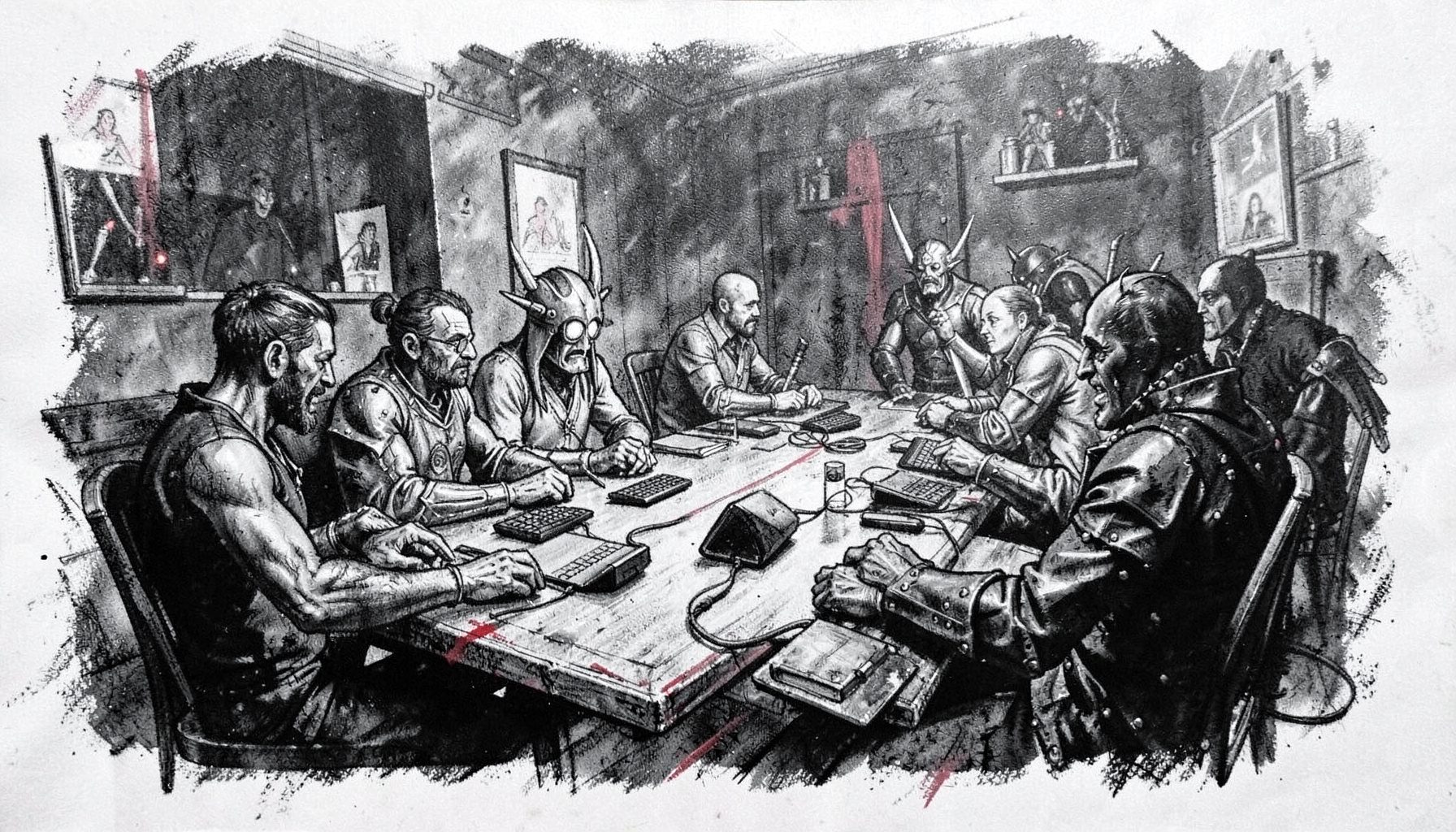
The 2018 High Level Games Convention at the Showboat Hotel in Atlantic City illustrates the appeal: tabletop sessions, live-action role-play, panels, workshops, an exhibitor hall, and escape rooms all compete for the same finite hours. That mix rewards good pacing because the most memorable story rarely depends on clearing every available activity.
Start by ranking the programme according to personal importance. Mark one or two experiences that would genuinely be missed, then place them when alertness is likely to be highest. Leave gaps between major sessions for food, decompression, travel through the venue, and the unpredictable conversations that make conventions memorable. A timetable with breathing room is more useful than an ambitious schedule that requires constant catching up.
Give each day a realistic finish. If an evening session runs until midnight, do not schedule a demanding strategy game before breakfast. If a morning panel matters, set an alarm and keep the preceding evening quieter. Restricting one activity creates room for another; it does not mean wasting convention time.
Pack a practical sleep kit
A compact sleep kit can make an unfamiliar hotel room feel less disruptive. Useful items include earplugs or noise-cancelling earbuds, a soft eye mask, a familiar pillowcase, a sleep mask for daytime rest, and a charger for any device used as a white-noise machine. The linked hotel convention equipment guide offers a useful starting point for balancing play gear with personal essentials.
Hotel noise deserves special attention because convention venues can become busier after dark. Request a room away from lifts, bars, and main corridors where possible. Use white noise at a low volume rather than trying to sleep through every interruption. Anyone sharing a room should agree on a quiet period and clarify whether the bed is reserved for sleeping, especially when one person expects to play late.
Food and hydration can disrupt rest as much as excitement does. Keep something familiar in the room, such as oats, fruit, crackers, or a simple sandwich, and avoid relying on a large late dinner. Drink water throughout the day, but moderate caffeine after midday. A small protein snack before bed may prevent waking from hunger without requiring a full meal immediately after a long session.
Adjust to the body clock
The transmeridian journey from Australia can create jet lag before any convention stress appears. Sydney and Melbourne are roughly thirteen to fifteen hours ahead of Atlantic City, depending on daylight-saving dates. Eastward or westward adjustment can therefore be harder after the flight, particularly when arrival, meals, and planned activities fall outside the body’s normal rhythm.
Keep the first day modest. A short walk after arrival, a consistent bedtime, and a meal close to waking can help anchor the new schedule. Daylight matters, but so does avoiding intense gaming late at night. If a major session must happen while the body still expects sleep, use the following morning for an activity that requires conversation and imagination rather than intense calculation.
Caffeine needs careful timing. Many Australian players treat a long black or flat white as the default start to the day, which makes an extra “keep-awake” coffee after lunch tempting. Since caffeine can remain active for hours, stopping it several hours before the intended bedtime gives the body a better chance of settling. Alcohol may encourage drowsiness, but it can fragment sleep and reduce useful rest, especially between late-night games and an early panel.
A 20-minute nap can be more restorative than an unplanned two-hour sleep. Keep naps short and preferably before mid-afternoon; longer sleeps may make nighttime harder. In a busy city such as Melbourne or Sydney, travellers often navigate long commutes with trains, trams, and buses, so use transit journeys to walk and obtain daylight rather than adding more caffeine.
Match activities to remaining stamina
Not every game demands the same kind of attention. Physical LARP combat, escape rooms, and late-night negotiations can be engaging but tiring, while familiar tabletop systems may be easier to enjoy when concentration is limited. Choose unfamiliar rules for the first part of the day and save flexible or familiar games for later, when decision-making is more likely to suffer.
The Australian market offers useful practice before the trip. Board-game cafés in Sydney, Melbourne, Brisbane, and Adelaide make it possible to test a new system in a social setting without committing to a full convention day. A boxed game bought locally normally includes the 10% GST, while imported editions may cost more and arrive with different component availability. Checking local game stores can help avoid carrying an unfamiliar rulebook across the world.
Venue rules and local legislation deserve attention too. Liquor licensing is managed separately by each state and territory, so service times and rules for taking drinks away can vary between cities and between Australian states. At an overseas convention, confirm the venue’s policy before ordering. Road rules and police breath testing also make driving after drinking an unnecessary risk; returning exhausted to the hotel is the safer choice.
A weekend rhythm that protects play
A concise checklist is easier to follow when the convention schedule becomes crowded:
- Protect the first night with a substantial sleep period, even if it means missing one late session.
- Choose one anchor activity per day rather than booking every available slot.
- Schedule rules-heavy games and important role-play moments during peak alertness.
- Take a brief nap before mid-afternoon if sleep has been limited.
- Stop using caffeine well before the intended bedtime and avoid alcohol as a sleep aid.
- Eat regularly, carry a small familiar snack, and keep water accessible throughout the day.
Busy convention days often produce a familiar pattern: excitement carries a player through the morning, concentration fades after lunch, and an evening session restores energy through enthusiasm rather than genuine rest. Planning another demanding game at that point can push fatigue well beyond what an enjoyable weekend requires. A quieter dinner, a short walk, or an early night may preserve the session that matters more.
The practical takeaway is simple: protect one full night, schedule demanding games around peak alertness, and use short naps to manage limitations rather than replace proper rest. A tired player may still finish a campaign, but a rested player is more likely to remember the rules, contribute to the shared story, and enjoy the final session.