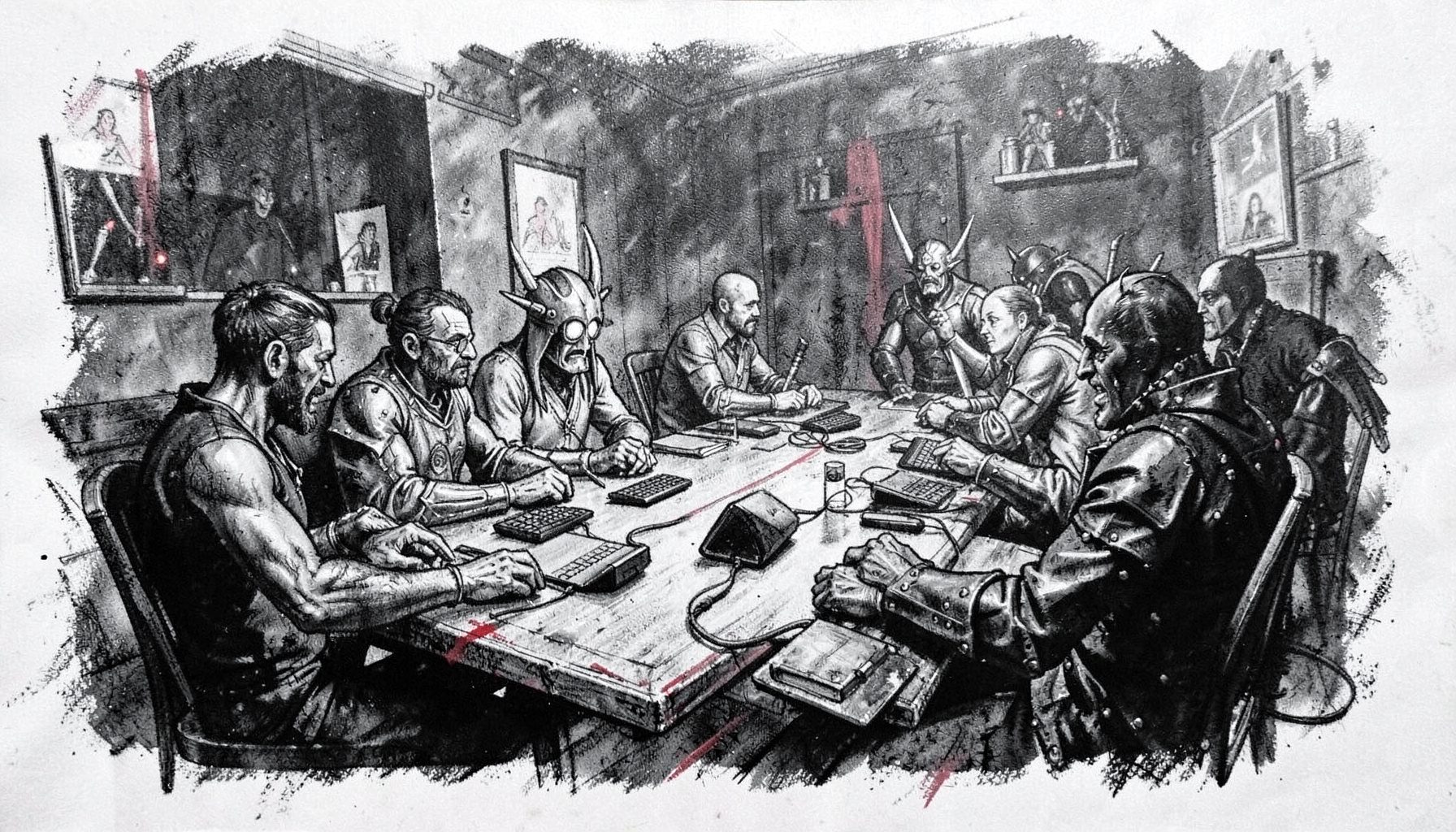
The best tabletop equipment for a hotel convention
A hotel convention turns a single booking into a base for several days of gaming. At the 2018 High Level Games Convention, the Showboat Hotel in Atlantic City hosted tabletop sessions, live-action role-play, panels, workshops, escape rooms and an exhibitor hall filled with designers, artists and vendors. That range matters when packing: equipment for a quiet dice game may be useless beside a hands-on role-play activity.
A strong tabletop kit for a hotel convention should be portable, quick to set up and easy to share. A full game table may stay at home, while the essential details travel: dice, character sheets, tokens, reference cards, adapters and a small storage system. The aim is not to recreate your entire collection; it is to preserve the moments when the dice land awkwardly, a rule is disputed or a player needs a clean note-taking space.
Australian readers will recognise the same pressure when travelling to a major convention in Sydney, Melbourne, Brisbane or Adelaide. Domestic flights, limited room space and carry-on allowances encourage compact kits, while local game shops make it sensible to source specialist items before departure. An overseas hotel convention adds currency, power and venue-rule differences, so preparation extends beyond the games themselves.
A good convention kit also reflects the social nature of the event. It should accommodate newcomers, players who arrive without a complete character, groups sharing components and anyone wanting to try an unfamiliar system. Inclusive participation and collaborative storytelling work best when spare materials are available and people can combine their resources without awkwardness.
Why a hotel venue changes your packing plan
Hotel conventions are convenient because your room becomes a staging area, but hotel rooms are not dedicated gaming rooms. A standard table may be too small for a war game, beds and floor lamps occupy precious space, and neighbouring players can hear every rules dispute. The Showboat’s mix of activities required more adaptable equipment than a spacious convention hall would have.
Plan for the venue before deciding what stays behind. Ask whether the organiser permits dice towers, miniatures, candles, tape or custom game mats; some hotels restrict adhesives, open flames and items that could damage furnishings. In a room shared by several players, keep components in labelled containers so a late-night clear-up is faster. Those habits are equally useful at home conventions in Canberra or a community hall in Hobart.
Build the kit around the games
Start with the published programme rather than the size of your collection. A rules-heavy campaign needs reference sheets and note-taking materials, while a LARP or role-playing session benefits from tokens, dice and a clear way to hand them around. Workshops and escape rooms may call for lighter kits, but a shared emergency pouch remains sensible.
Checking each activity also prevents duplicated gear. Two groups may each bring a d20 while nobody brings a timer, tape or spare batteries. Use individual event pages, such as the Pandaemonium event page, to check the format and any listed requirements before dividing shared equipment by role.
Pack the essentials for play and travel
The first list is the working set that should reach the table, even if it must fit in a daypack. Choose pieces that are easy to identify, carry and explain.
Core tabletop kit
- A complete dice set, with at least one d20 and one percentile die per player plus a shared backup set
- Character sheets, campaign notes and player aids printed clearly enough to read under bright venue lighting
- Tokens, counters and player markers separated into labelled bags or snap-seal pouches
- A pencil, eraser, reusable clips, sticky notes and a small roll of clear tape for labels and improvised markers
- A compact dice tray or folding player mat that protects the table and catches noisy rolls
The second list covers the temporary home and the journey between venues.
Travel and venue pouch
- A zippered tote or small rolling case with rigid dividers, including space for rulebooks and fragile miniatures
- A charging pouch with power bank, cable and a plug adapter suited to Australian Type I sockets and overseas Type A and B outlets
- Personal medication, a small first-aid kit, sunscreen and accessibility supplies that should not be separated from you
- Refillable water bottle, sealed snacks and a rubbish bag for packing out used wrappers and adhesive scraps
Together, these lists offer a sensible division: one for making play work, the other for making travel less disruptive.
Protect components between sessions
Miniatures and mods need the most attention because hotel cleaning and crowded baggage are unforgiving. Keep painted figures on foam rather than loose in a box, cushion them with tissue or bubble wrap, and protect bases separately if they are delicate. Magnetic trays can scratch metal miniatures, so use them only when the finish is safe. A hard case is worth the weight for valuable figures; a small padded roll is enough for everyday tokens.
Cards and papers suffer a different problem: bending, dampness and clutter. Use card sleeves for decks that will be handled often, but avoid overstuffing soft sleeves. Keep character sheets in a plastic folder and mark them with a small card rather than a permanent sticker. Whiteboard markers can ghost onto cards, so cap them and store them apart from paper components.
Anything intended to become a public demonstration deserves the same care. A hosted game, panel or workshop needs its own box, setup instructions and contingency plan. A proposal should go through the event submission form before the convention, allowing organisers to plan table space, session length and any specialist requirements. This preparation is especially helpful for designers showing a prototype to strangers.
Plan for travel and Australian realities
The Showboat is in the United States, so an Australian attendee should separate the cost of the kit from the cost of the trip. Atlantic City prices goods in US dollars, and exchange rates or foreign transaction fees can change a convention budget quickly. Notify your bank before travelling, keep an emergency reserve in cash, and check whether local venues prefer cards, cash or electronic payment for purchases.
Power is another practical difference. Australian mains electricity runs at 230 volts and uses Type I plugs, while the United States commonly uses 120-volt Type A and B outlets. A universal adapter can keep a phone or small device usable, but large chargers and some battery packs should be checked against the airline’s safety rules. Spare batteries for dice lights, timers or hearing devices belong in hand luggage, not checked baggage.
Local habits also shape how a convention feels. Australians commonly call an afternoon session an “arvo game”, describe someone as “keen” to play and expect a “BYO” contribution when food is mentioned. These expressions travel well; clear communication about rules and access needs matters more. Australia’s specialist game-shop network in cities such as Melbourne, Brisbane and Sydney offers a useful pre-trip source for miniatures, storage and rare components, while domestic rail and airline travel make weight and packing time worth checking twice.
Leave room for people and spontaneity
The strongest convention kit is not the one with the most pieces; it is the one that leaves room for changing plans. A scheduled tabletop campaign may become an improvised one-shot, an exhibitor demonstration may lead to a new party, or a LARP may require a shared set of markers. A few spare dice, blank character sheets and a flexible token system let the group respond without delaying the session.
At a gathering shaped by inclusive participation and collaborative storytelling, equipment is a social tool. Keep components accessible, explain house rules and avoid letting rare items become barriers to entry. The gear worth remembering is the dependable kit that protects the game, travels easily and makes it simple for another player to join the story.