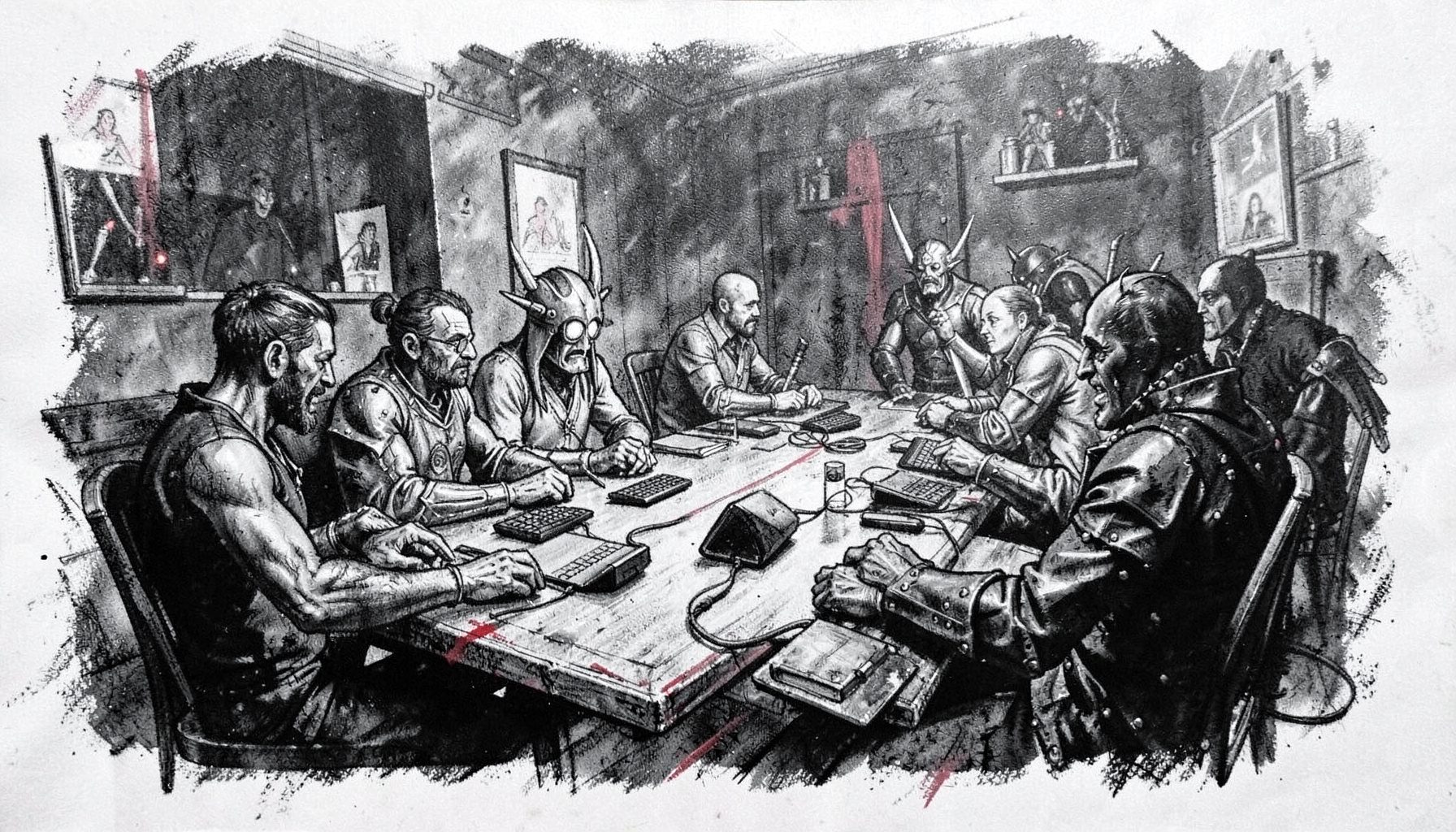
Building a Budget Gaming Table for Convention Spaces
The 2018 High Level Games Convention at the Showboat Hotel in Atlantic City brought tabletop RPGs, live-action role-playing, panels, workshops, vendors and escape rooms under one roof. Building a budget gaming table for a convention space starts with that mix: the table must support rules-heavy sessions, quiet character conversations and fast changes between groups without becoming a barrier to strangers joining in.
A useful table is sturdy, easy to wipe, comfortable to reach and inexpensive to replace if something breaks. Spend first on a dependable surface and clear storage, then borrow atmosphere from simple additions such as cloth, tokens and clipboards. The aim is an accessible play station that helps collaborative storytelling rather than a display that consumes the whole activity budget.
Read the Venue Before Choosing a Table
Measure the venue before selecting equipment. A 1.2 by 0.75 metre top gives four players a generous central area, while a 1.8 metre table can seat six but may obstruct an aisle. Ask the organiser about table allocation, chair spacing, fire exits and the teardown deadline, and write the answers into a setup plan.
Australian conventions range from Melbourne’s Auspex to Sydney’s GX Australia and Brisbane’s Game Connection, while neighbourhood events often use community halls with much tighter footprints. In a busy exhibition hall, reserve a table position early. In a community hall, check whether tables can be moved or whether wall surfaces can support lightweight scenery.
Decide what the table must do before deciding what it should look like. Will it hold a six-player campaign, two compact duels, a storytelling workshop and a dice-based game in successive slots? Those demands favour a clear playing zone, replaceable components and storage that disappears under the top. Decorative terrain belongs at the edge, where it cannot cover rulebooks or paper.
Build a Lightweight Surface That Lasts
Secondhand folding tables are often the best starting point. Check that the top is flat, the hinges lock and the legs do not wobble. For a homemade surface, cut a 1.2 by 0.75 metre top from 18 mm plywood, sand the edges, seal both faces with water-based finish and attach it to two folding trestles using bolts or sturdy brackets. MDF produces a flat, inexpensive surface, but its weight makes it awkward to transport between venues.
Choose adjustable feet and test the finished table with weight across its centre. A thin cork strip beneath the edge provides a home for spare counters and pencils. Buy a mat slightly smaller than the playing area so the table edge remains visible for cards and character sheets. Foam-core boards, plastic canvas or a folded cloth can define zones without specialist supplies.
Hardware counters such as Bunnings, Mitre 10 and Officeworks make it practical to source timber, fasteners, cable ties and storage boxes locally, where retail prices already include 10 per cent GST. Budget for containment as well as surfaces: a shallow dice tray prevents rolls from disappearing under chairs, and divided boxes separate tokens, batteries and rulebooks. If campaign notes or props travel with the table, keep them in a closed folder rather than a shared pile. A no-spoilers style guide can guide volunteer recaps without exposing hidden objectives, preserving immersion for the next group.
Design for Comfort and Clear Access
Australia’s 230-volt supply and Type I sockets deserve attention. Test the venue’s power points, carry an Australian plug adapter for borrowed equipment and avoid daisy-chained extension leads. Phone charging and lighting can run from a small power bank, reducing cables around the seats. Keep drinks in lidded bottles and use washable mats to handle the heat of a crowded summer hall.
Leave enough room behind each chair for movement and an unobstructed route to exits. Position the table so players can enter without squeezing between backs, and avoid placing it beside a speaker or door where conversation becomes difficult. Adjustable chairs are useful, but a stable seat and good posture matter more than matching furniture across every station.
Inclusive play begins with shared access. Use a neutral centre mat so newcomers can bring their own character or system, and provide spare dice, pencils and blank reference cards. Ask collaborators about access needs without making assumptions. Plan a clear approach and sufficient knee clearance for players who use wheelchairs, and offer a quieter seating option for anyone sensitive to a noisy hall.
Spend on the Essentials, Not the Display
Set a ceiling in Australian dollars and include transport, venue fees and consumables; a cheap table is not cheap if it cannot reach the hall. Compare the complete trip cost against borrowing a folding table from the venue or sharing equipment with other organisers. One robust top can support several sessions, while duplicate tables are justified when a convention needs parallel play.
The core kit can stay deliberately plain:
- A flat folding table with locking legs, or a sealed timber top on a stable frame
- A washable play mat with at least 150 mm of clear table edge
- Dice, a tray, pencils, erasers and a small timer
- Boxed tokens, character cards and a divided accessory pouch
A second bag should handle the venue-specific jobs:
- Cable ties, painter’s tape, spare batteries and Type I adapters
- Clips, bulldog clips and a rigid folder for session notes
- Cleaning wipes, a dry cloth and a labelled rubbish bag
- Ear defenders or earplugs for players sensitive to noise
Label every case and bin before the event, including the organiser’s contact details. Pack the table kit in two manageable bags so one volunteer can carry it from a car park to a loading bay. Use removable labels rather than permanent tape on borrowed surfaces, and photograph the setup before teardown to settle any damage disputes.
Make the Table Work for Everyone
A shared table should work like a tiny community space. Explain who is facilitating, where spare components live and when the next group takes over. Invite players to tidy components before leaving, but keep a small reset box for the organiser so the next participants are not left sorting mystery tokens.
The wider convention programme can deepen play. A panel examining how video games shape tabletop RPG mechanics shows how familiar digital systems can inspire faster onboarding, clearer feedback and better choices at the table. Translate those ideas into simple house rules, such as a visible turn tracker and a shared reminder of consent during collaborative scenes.
A clean break-down is part of the table’s job: count components, wipe the mat, return borrowed chairs and note repairs for the next organiser. The lesson to remember is simple: a strong surface, a modest kit and respectful shared rules create more convention magic than expensive scenery. The best table supports good stories, welcomes new players and leaves the space ready for whatever happens next.