How LARP and TTRPG Players Can Learn From Each Other
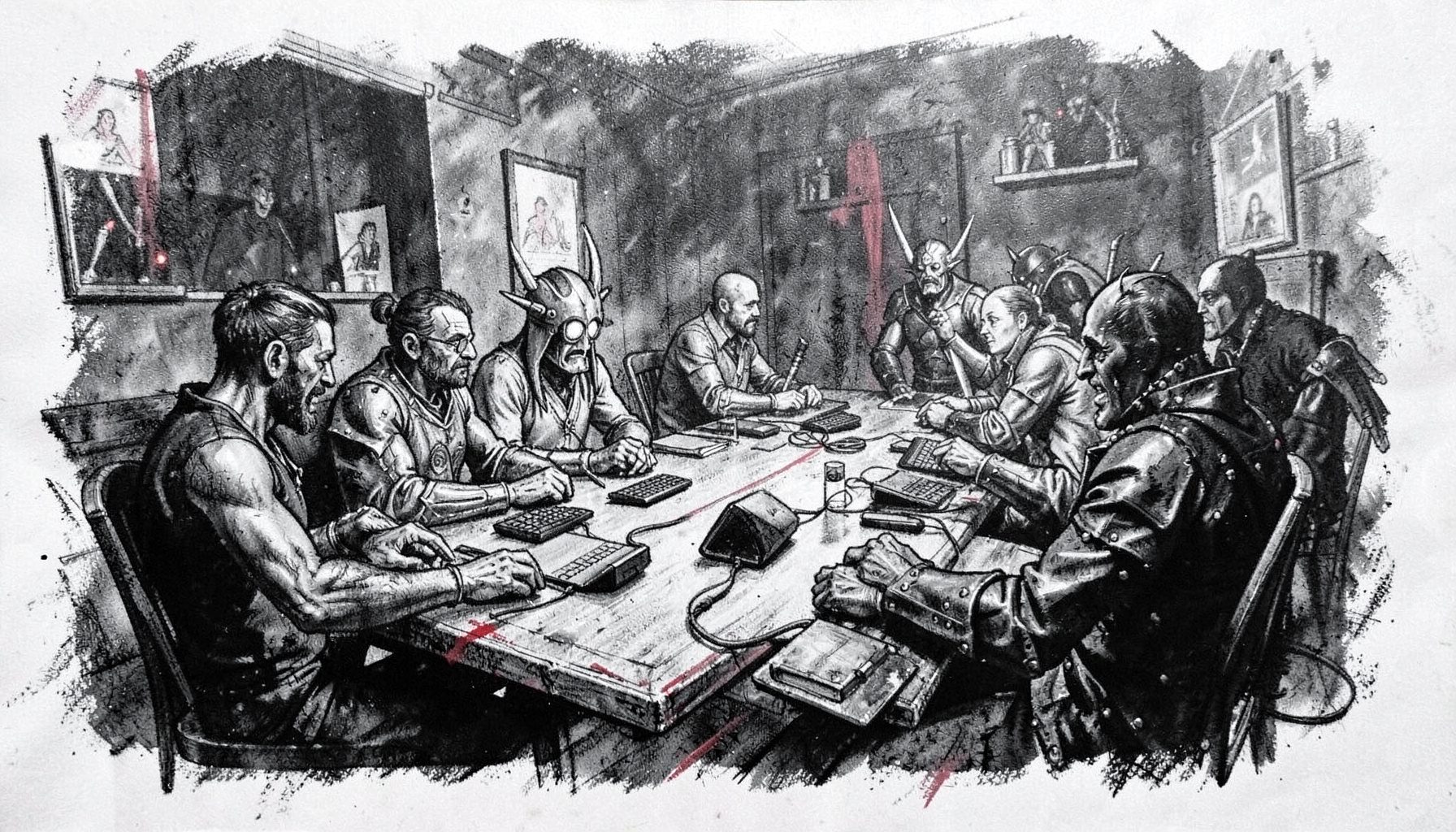
Live-action role-play and tabletop role-playing games share a foundation of character, choice and collaborative storytelling. The methods may look different: one uses costumes, movement and physical space, while the other relies on spoken description, dice and a shared imagination. In both forms, players create meaning together rather than simply consuming a finished story.
The High Level Games Convention at the Showboat Hotel in Atlantic City brought these communities into the same space through LARP experiences, tabletop sessions, workshops, panels, vendors and immersive activities. That mixture offers a useful model for Australian players, whether they meet in a Melbourne game store, a Sydney community hall, a Brisbane university club or a regional convention.
For Australian groups, the exchange can also help solve practical problems. Local organisers often work with limited venue availability, long travel distances, small player pools and budgets in Australian dollars. Sharing techniques between LARP and TTRPG communities can make sessions more welcoming, better paced and easier to run.
| Area | LARP Strength | TTRPG Strength | Shared Lesson |
|---|---|---|---|
| Characterisation | Physical performance and costume | Voice, description and backstory | Give characters clear playable signals |
| Worldbuilding | Props, locations and atmosphere | Flexible imagined environments | Make setting details support player choice |
| Rules | Social safety systems and visible boundaries | Structured mechanics and adjudication | Use rules to protect play, not interrupt it |
| Improvisation | Immediate reactions in a live space | Collaborative narration at the table | Accept unexpected ideas and build on them |
| Community | Strong group identity and shared rituals | Accessible entry points and campaign continuity | Make participation easy for newcomers |
Two Forms Of Collaborative Storytelling
LARP teaches TTRPG players that a character can be communicated through more than dialogue. Clothing, posture, a repeated gesture or a prop can instantly tell the group who someone is. A tabletop player does not need a full costume to use this lesson; a distinctive phrase, a sketch, a token or a simple change in body language can make a role memorable.
TTRPGs, in turn, demonstrate how much story can be created with very few physical resources. A game master can describe a ruined station, haunted hotel or distant planet without constructing anything. This is especially useful for Australian groups hiring a scout hall or meeting in a compact café room, where elaborate scenery may be impractical.
Both formats also reward attentive listening. A compelling scene depends on noticing what another participant has offered and responding in a way that gives it weight. The best player is not always the loudest performer or the cleverest rules expert; it is often the person who helps another player’s idea become relevant.
What LARP Can Teach Tabletop Groups
The strongest LARP techniques help tabletop groups make fictional events feel immediate. Before a session, players can agree on a few sensory details: the smell of smoke, the sound of machinery, the cold of a stone corridor or the glare of a desert sun. These cues give a scene texture without forcing the game master to deliver a long description.
LARP also makes social safety practices highly visible. Consent check-ins, boundaries around physical contact, opt-out signals and clear distinctions between player conflict and character conflict are valuable at any gaming table. Australian groups often include people meeting for the first time at a convention or club night, so a short safety briefing can establish trust quickly.
Space can become part of the design. A foyer, courtyard or hotel corridor may suggest a faction meeting, secret exchange or sudden interruption. The accidental atmosphere of a venue can be surprisingly useful; the Showboat setting review shows how decorative surroundings can inspire scenes without a large production budget.
Habits LARP Players Can Borrow
A LARP participant moving into tabletop play may already understand character commitment, but the table has its own rhythms. These habits help translate physical performance into a format where turn-taking, rules and shared narration matter.
- Describe an action clearly before performing or assuming its result.
- Leave room for quieter players to answer in character.
- Treat dice outcomes as prompts for story rather than interruptions.
- Use a prop, portrait or vocal pattern to signal character changes.
- Check whether a dramatic choice gives other players something to do.
- Keep intense character conflict separate from personal disagreement.
Tabletop role-playing also benefits from the LARP habit of making entry points obvious. A new player should know where to stand socially, what kind of behaviour is expected and how to join a scene. A simple briefing card can explain safety tools, setting terms, faction goals and the difference between in-character and out-of-character conversation.
Immersive activities provide a bridge between the forms. An escape-room-style scenario such as Detention Breakout demonstrates how puzzles, timed pressure and physical clues can encourage players to communicate. A tabletop group can recreate that energy with handouts, visible countdowns or a room map, while a LARP group can borrow the tabletop practice of giving each character a specialised mechanical contribution.
What TTRPG Players Can Teach LARP Groups
Tabletop games are particularly strong at managing complexity. Character sheets, clocks, tags and probability systems allow players to track information that would otherwise be difficult to remember during a live event. LARP organisers can adapt these tools into lightweight cards or digital forms, especially for investigations, political intrigue and faction-based play.
TTRPG players also tend to be comfortable with shared authority. The game master may describe the world, yet players expect to make meaningful choices within it. LARP designers can use the same principle by preparing situations rather than fixed plots. A faction can have a goal, a resource and a deadline, then allow participants to decide how the conflict develops.
- Give each character a private objective and a public reason to cooperate.
- Use clocks or deadlines to keep a large event moving.
- Mark important facts with cards, tokens or simple written prompts.
- Build consequences that change later scenes rather than ending play abruptly.
- Let failed actions create complications instead of dead ends.
- Offer several ways to solve a problem, including social and creative options.
This approach is useful in the Australian convention market, where a session may need to welcome drop-in players or accommodate people who have travelled from another city. Clear objectives and modular scenes make it easier to join late, leave early or play with an unfamiliar group. They also reduce the pressure on organisers who may be running an event after work or volunteering across a whole weekend.
Designing A Shared Community
The two communities can learn most when they meet around a specific activity rather than simply comparing preferences. A convention workshop might begin with a short tabletop character exercise, move into a physical improvisation scene and finish with a debrief. Participants would experience how a concept changes when it moves from a character sheet into a room.
Australian organisers can tailor this exchange to local conditions. A winter event in Hobart may favour indoor mystery scenarios, while a summer gathering near Perth or the Gold Coast may use outdoor spaces with careful attention to heat, shade and venue rules. In smaller towns, a single club may contain the local board gamers, role-players and LARP enthusiasts, making cross-training a practical way to grow attendance.
Commercial awareness matters as well. Players may encounter publishers, indie designers, artists, costume makers and retailers in the same exhibitor hall. Even a discussion of game-related promotions, such as an instant-play bonus review, can prompt useful questions about clarity, audience expectations and responsible design. Any adaptation should be transparent, age-appropriate and consistent with the event’s community standards.
The most productive exchange is grounded in respect for different play styles. A LARP player does not need to become a theatrical performer, and a tabletop player does not need to master elaborate rules. Each can borrow one technique that improves shared play: a clearer physical signal, a stronger safety check, a better prompt for quieter participants or a more flexible response to an unexpected decision.
For the next session, run a short scene using one LARP technique and one TTRPG technique: add a physical prop or movement cue, then give every character a concrete objective and a consequence clock.