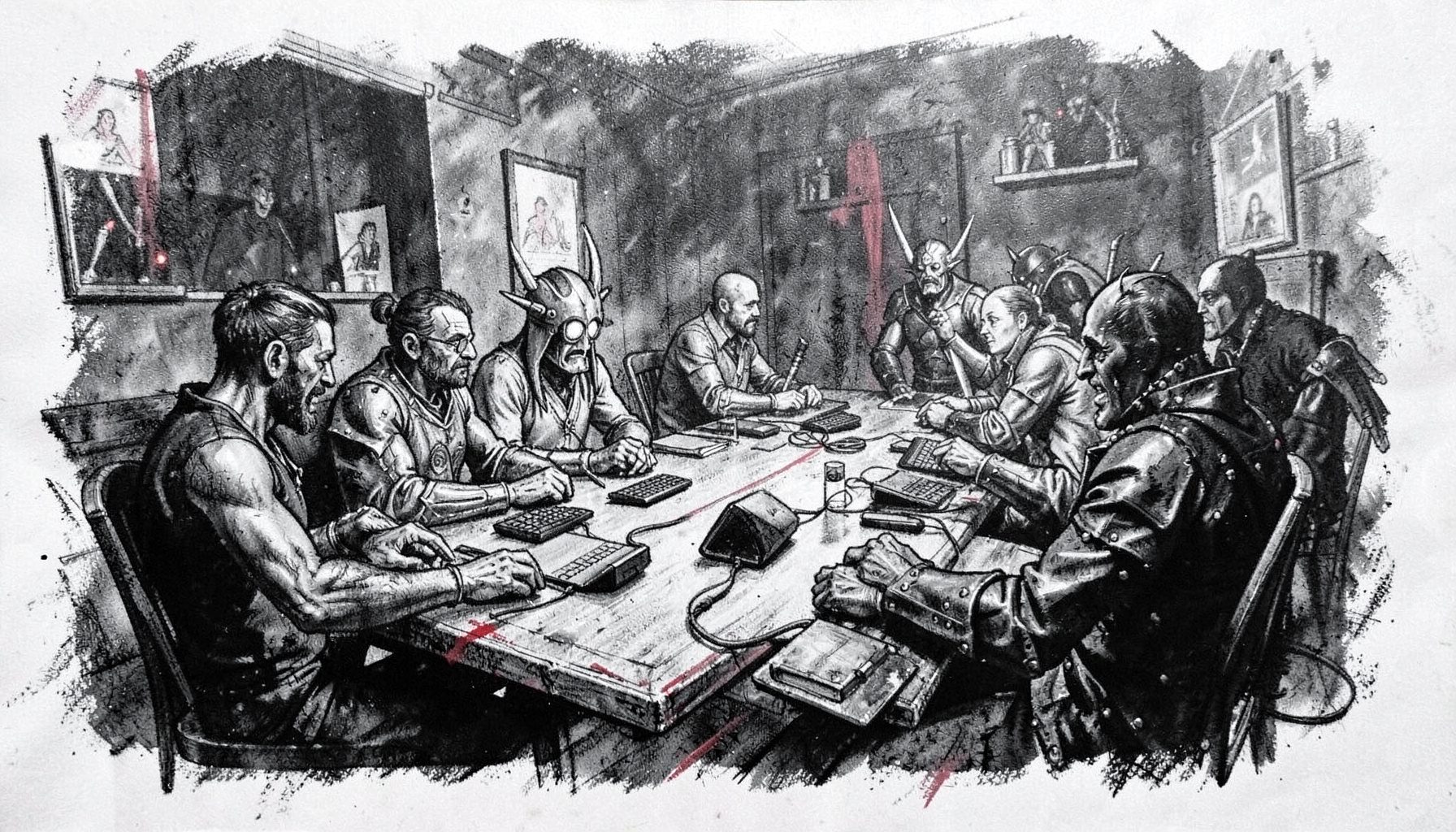
How to write a convention recap post for your blog or social media
A convention recap should do more than list panels, workshops and games. Readers need to understand what the event felt like, which ideas mattered and what they can use now. A strong post turns a weekend of activity into a clear, human story with a useful shape for blog readers and social feeds.
Start with the reporting, then adapt it for each channel. Note the convention’s purpose, the sessions you attended, the people you spoke with, the atmosphere and the details that changed your mind. High Level Games Convention provides a strong example because its 2018 gathering combined tabletop roleplay, live-action roleplay, design, art, publishing and commerce in one venue.
Establish the convention’s character
Begin with a specific moment that captures the event’s atmosphere. A crowded exhibitor hall, a tense escape-room puzzle or a player improvising a surprising character can provide more energy than a general statement that the convention was busy and enjoyable. Describe what you saw, heard and felt rather than making an unsupported claim about the whole event.
At High Level Games Convention, held at the Showboat Hotel in Atlantic City, New Jersey, in 2018, the range of activities created plenty of contrasting material. The event featured tabletop sessions, live-action roleplay, panels, workshops, an exhibitor hall and immersive escape rooms. Its emphasis on inclusive participation and collaborative storytelling is worth mentioning because it explains why cooperation and shared creativity mattered alongside the games themselves.
Check the official convention site for the event’s public-facing name, venue details and other basic information. This prevents spelling errors and ensures readers can distinguish verified facts from your personal impressions.
Build a simple narrative journey
Use a clear arc to organise the recap. A useful structure moves from your arrival and first impression through several memorable experiences to the idea you carried home. For a multi-day convention, one short scene from each day can preserve the chronology without turning the post into a transcript of the programme.
Give each part of the story a distinct purpose. The opening establishes the setting, the middle highlights discoveries and conversations, and the ending connects those experiences to your own gaming interests. Short subheadings can help readers navigate a blog post, while a chronological carousel works well for readers scrolling through social media.
Keep reporting and reaction clearly distinguishable. State who said what, identify the source of any statistic and link to relevant material when permitted. Then add your interpretation in plain language, explaining why a design technique, industry discussion or community encounter was worth noticing.
Choose the moments worth expanding
Select three to five anchor moments for detailed coverage. These might be a standout roleplay session, a useful publishing workshop, an artist demonstration or a conversation with a designer. Choose moments that represent different parts of the event and explain their relevance instead of selecting them solely because they produced the most dramatic photographs.
A useful example is the tabletop crowdfunding panel recap. It demonstrates how a panel can become practical coverage by focusing on the problem being discussed, the advice offered and the decisions still ahead. That approach gives readers value even if they missed the event.
Treat images as evidence rather than decoration. Captions should identify unfamiliar games, explain what happened and connect each photograph to the wider story. Confirm that creators, sponsors and venues are credited correctly, and obtain permission before publishing identifiable photographs of attendees.
Adapt one story for different channels
One reporting core can be adapted without flattening every version into the same format. The long-form article should provide context and analysis, while social posts need a sharper entry point, carefully chosen images and enough detail to stand alone.
| Format | Strongest use | What to lead with | Practical limit |
|---|---|---|---|
| Blog recap | Detailed event coverage | The full narrative, key takeaways and useful links | 700–1,200 words |
| Instagram carousel | Visual highlights | Six to ten slides with one clear idea per slide | Short captions |
| Facebook community post | Participant discussion | A concise summary, relevant credits and a discussion prompt | 100–250 words |
| LinkedIn post | Industry insight | A production lesson, professional takeaway and acknowledgements | 100–200 words |
Keep the blog version as the complete account. Shorten each social version by removing detail, not accuracy, and preserve names, dates and event terminology. Platform-specific cutdowns also make it easier to link back to the full article when publishing on Facebook or LinkedIn.
Make the recap useful to Australian readers
Australian readers benefit from translation rather than replacement. Keep Atlantic City and the Showboat Hotel as the setting, then explain how the experience relates to local events such as Melbourne Games Expo or the Supanova conventions held in Brisbane and Sydney. Comparisons can help, but the convention recap should remain focused on what happened at High Level Games Convention rather than becoming a roundup of Australian gaming events.
Use Australian dollars when discussing local prices or translating campaign figures. Also check the time difference: a panel that began in the afternoon in Atlantic City could fall on a different calendar date across Australia’s Eastern Standard and Eastern Daylight Time zones. Publishing the date, converted time and time zone prevents readers from misunderstanding an announcement or session time.
Consider the Australian market when writing about design, crowdfunding and fulfilment. Australian creators may compare Pozible with international campaigns on Kickstarter, while readers buying through local distributors will care about Australian Post shipping times, GST-inclusive pricing and distribution within Australia. These details turn a general event report into useful local context.
When discussing access, safety and participant behaviour, refer to the event’s policies and conduct guidance. Mentioning the code of conduct can reinforce the inclusive atmosphere without implying that incidents occurred. If you observed a specific accessibility feature, describe it accurately and credit the organiser responsible.
Use a repeatable publishing workflow
Draft the recap while your notes and photographs are still fresh. Separate the event timeline from your selected highlights, then write the opening around the strongest scene. Give names, session titles, sponsor details and quotations a separate verification pass before adding images, tags and links.
A reliable pre-publication sequence is:
- Lead with a specific scene, then identify the event, date and venue.
- Build the post around three to five anchor moments and explain their relevance.
- Separate verified facts from personal impressions, checking names, titles and links.
- Add meaningful alt text and captions to every image, and confirm permission before posting.
- Tailor each cutdown to its platform without over-tagging creators, sponsors or partners.
Close with continuity rather than a sales pitch
The closing paragraph can bring the thread back to collaborative storytelling, acknowledge hosts and participants, and name the one idea worth carrying into the reader’s next game, campaign or event. Credit photographers, designers and venues where appropriate, and keep the tone grateful without becoming promotional.
Close the editorial workflow by scheduling the blog recap and two channel-specific cutdowns in the convention’s content calendar, with the long-form post going live first.