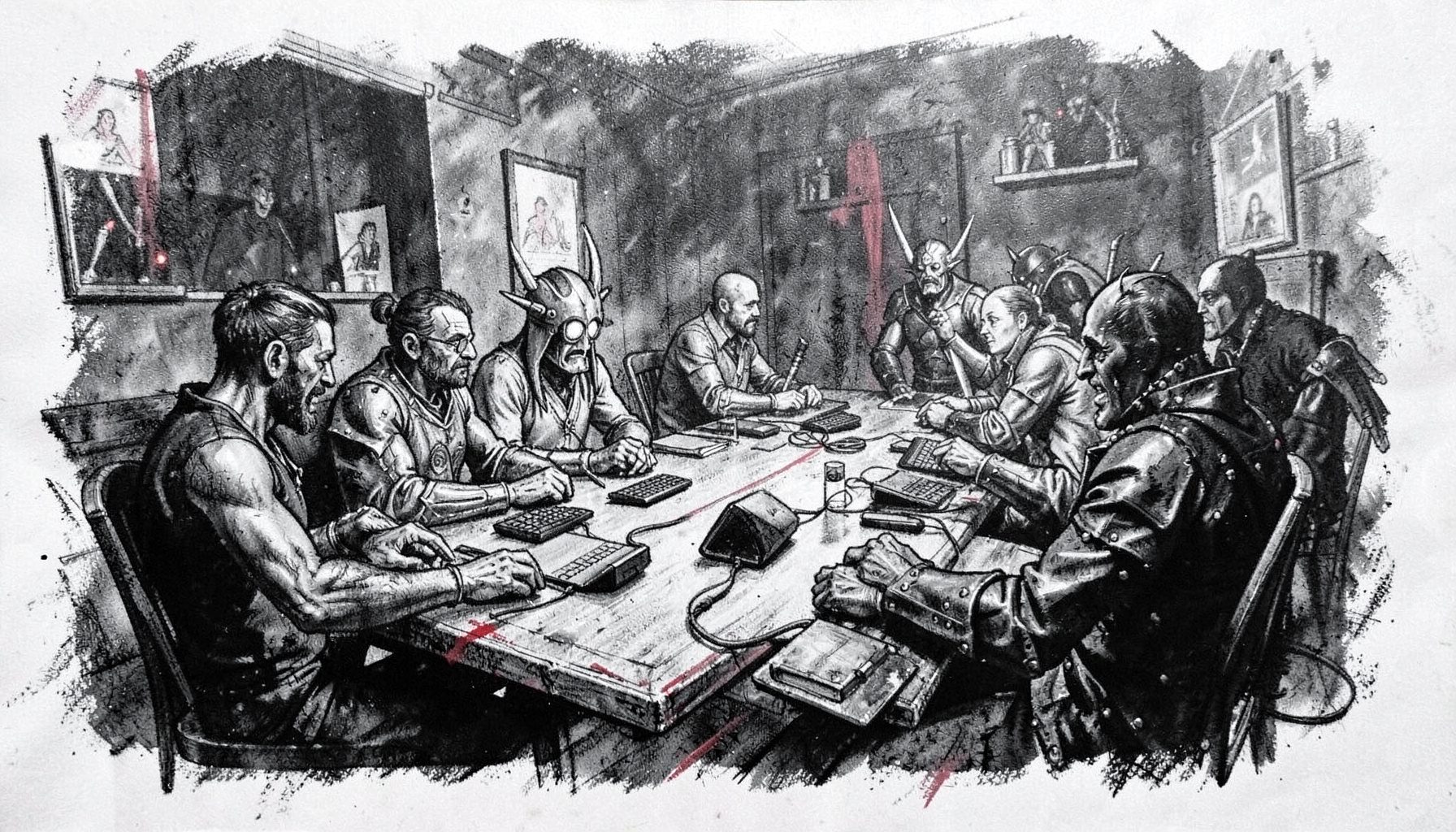
Building Community Online After HLGCon
At the 2018 High Level Games Convention at the Showboat Hotel in Atlantic City, a tabletop role-player, a live-action storyteller, an artist and a designer could share the same conversation. Workshops, panels, an exhibitor hall and escape-room experiences gave those exchanges momentum. HLGCon’s social groups can extend that momentum by turning brief encounters into continuing friendships, shared campaigns and creative partnerships.
An online community should not attempt to reproduce the convention floor. Its value is giving former attendees somewhere to return to, compare notes and develop ideas between major gatherings. The HLGCon website can serve as the shared front door, while dedicated groups supply the daily conversations that a temporary venue cannot.
Australian players face a practical geography. Sydney, Melbourne, Brisbane, Adelaide and Perth sit roughly 12 to 15 hours ahead of Atlantic City, depending on daylight saving and destination. The challenge is scheduling, not enthusiasm. Asynchronous posts, rotating live sessions and occasional local meet-ups can keep participation workable without asking every member to abandon a comfortable evening routine.
Why the Convention Needed a Continued Community
Conventions are unusually effective at creating shared context. A demonstration can explain a rule, while a hall conversation reveals which games people actually want to play. HLGCon’s inclusive, collaborative culture works online when members contribute stories instead of merely posting photographs or repeating event news.
Online continuity also helps people who could not afford the trip, obtain a visa or attend every convention weekend. Public game discussions, story exchanges and design sessions offer a legitimate route into the community. The physical gathering remains important for immersion and face-to-face trust; the groups keep those relationships active between events.
Turning Shared Stories Into Participation
The first task is to preserve the convention’s stories. Members can turn workshop notes, character moments and panel insights into themed threads, then invite others to add a rule, scene or piece of lore. An archive-style welcome post gives newcomers an entry point, while spoiler channels protect their comfort.
Rituals make that archive active. A weekly storytelling prompt, a monthly game night and a rotating show-and-tell thread create reasons to return, while role-specific channels help artists find designers and players find welcoming tables. These routines should be light enough for busy volunteers to maintain and clear enough that newcomers know what participation looks like.
Choosing Platforms for Australian Players
Discord suits persistent chat, scheduled voice sessions and interest-specific channels; Facebook groups remain useful for local notices and familiar community spaces; Reddit can support longer, searchable discussions. No service solves every need, and copying the whole community onto each one usually creates inactive duplicates. Choose a primary home and use other platforms only for distinct purposes.
Time zones matter more than branding. A fixed 7 p.m. Sydney meeting excludes many Perth members, so rotate the time or offer sessions across the eastern and western states. Record talks, publish transcripts and allow written responses. Members in regional Australia should not have to compete with metropolitan schedules for every opportunity to join.
Before selecting a platform, check age requirements, accessibility options, privacy controls, event fees and moderation tools. Australian members may join from different devices, household connections and budgets. The best service is not the one with the longest feature list, but the one that makes moderation, discovery and returning each week straightforward.
Creating Events That Work Across Distance
Online events should borrow the variety that made HLGCon compelling rather than place everyone in a single voice channel. A collaborative tabletop session, an illustrated lore workshop, a design panel and a short puzzle challenge can run across one weekend. Screen sharing and clear time limits let remote facilitators include people who prefer to contribute in writing.
Australia’s convention culture provides a useful reference. Supanova events in Brisbane and Sydney, PAX Aus in Melbourne and CanCon in Canberra show strong appetite for ambitious programmes and welcoming gatherings. Online sessions can complement those events by linking interstate members, supporting regional players and giving designers a low-cost way to test ideas with Australian audiences.
Commercial details matter too. A small Australian publisher may price a virtual workshop in AUD, while a free session may attract more first-time participants. Secure ticketing should support familiar Australian payment methods, and digital products should state their refund terms plainly. The aim is a sustainable local offer, not an expensive replica of the convention floor.
Listening, Moderating and Sharing Ownership
Reviewing the post-event survey findings alongside moderator notes can reveal which activities people valued and where communication fell short. Do not treat a satisfaction score as proof that the community is healthy. Repeat participation, introductions between members and respectful discussion offer stronger signs that relationships are continuing.
A published code of conduct should cover harassment, racism, consent around recorded role-play, personal information and commercial promotion. Keep sensitive discussion in moderated spaces, provide clear reporting routes and use content notes for intense themes. Moderators should also understand how Australian privacy expectations and the Online Safety Act affect the platforms they use. Clear, proportionate practices support HLGCon’s commitment to inclusion without turning every interaction into a legal process.
Shared ownership prevents the organiser from becoming the only person holding the community together. Australian gaming events and hobby networks often depend on volunteers, so rotate hosting, note-taking, art support and welcoming duties. Give people a genuine choice about how much responsibility they can carry, recognise their work and make handoffs simple when someone moves city or becomes busy.
Comparing Community Spaces for the Right Fit
A durable social programme needs a clear home rather than a collection of abandoned channels. The right mix depends on whether the priority is live collaboration, local discovery, public knowledge or dependable communication. Comparing services before launch also makes trade-offs visible.
| Community space | Strongest use | Australian advantage | Main trade-off |
|---|---|---|---|
| Discord | Scheduled voice play, interest channels and screen sharing | Effective for campaigns and remote workshops | Onboarding and moderation need steady attention |
| Facebook Groups | Social meet-ups, local notices and familiar posting habits | Useful for suburbs, regional towns and mixed-age audiences | Algorithm-dependent reach and noisy feeds |
| Detailed, searchable subject threads | Strong for rules questions and niche game discussions | Slower relationships and limited live-session features | |
| Email newsletter | Announcements, links and community updates | Low-data option with dependable delivery | Requires list maintenance and offers little live interaction |
A practical model is Discord or a managed forum as the daily hub, Facebook for local notices and an email list for dependable updates. Use a paid event-listing service only when ticketing or workshops justify its fees. Publish one welcome link and check it whenever members migrate between services.
A Practical Plan for Sustained Participation
Building a lasting network takes a few dependable habits rather than a constant stream of announcements. These measures give the community a clear operating rhythm and make participation easier to sustain.
- Establish one welcome page with community rules, the calendar, safety contacts and links to the active channels.
- Publish reusable recaps from sessions, workshops and panels, clearly separating event information from member contributions.
- Schedule monthly games and rotating discussion times, recording talks and testing times against both eastern and western Australian schedules.
- Give members meaningful roles such as session host, note-taker, artist or moderator, with simple handovers and no expectation of constant availability.
- Connect online activity with Australian meet-ups, including relaxed pub gatherings where guests can bring their own drinks, and offer remote roles to regional members.
- Review participation each quarter by city, format and retention in aggregate, then adjust programming based on what members actually use.
The rhythm should feel welcoming before it feels elaborate. A short monthly story prompt, an accessible online game night and a reliable way to ask for help can do more for continuity than a stream of promotional posts. The practical takeaway is a dependable cadence: one shared story, one accessible gathering and one clear route back into the community.