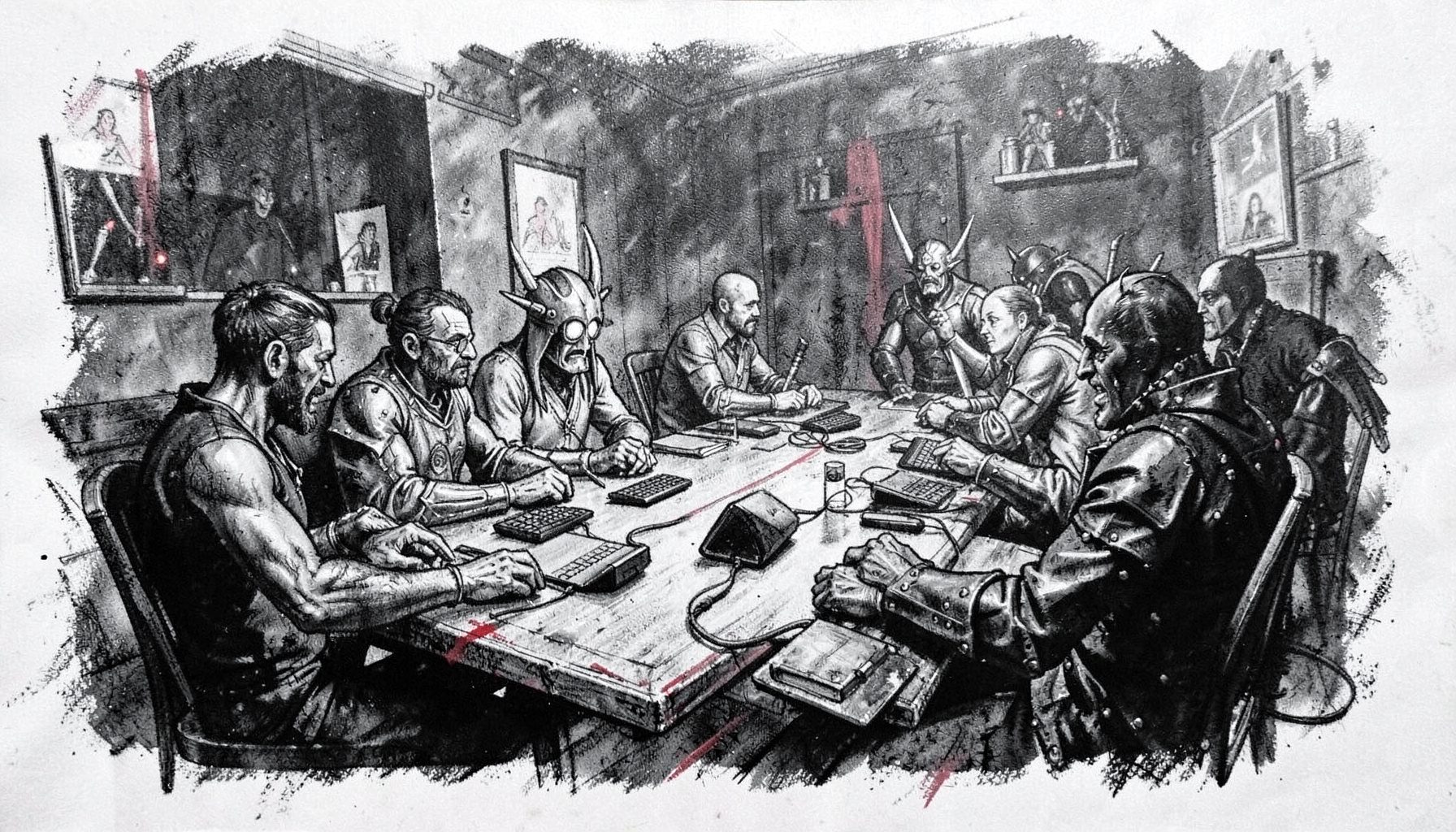
What we learned from the HLGCon post-event survey
HLGCon brought tabletop role-players, live-action participants, designers, artists, publishers and vendors together at the Showboat Hotel in Atlantic City in 2018. Its mix of role-playing games, panels, workshops, exhibitors and escape rooms created a useful test case for a broad question: how can a convention make participation easier for people with different interests, experience levels and needs?
The post-event survey was valuable because it looked beyond attendance. It captured practical signals about scheduling, welcome, storytelling, safety, access and the likelihood of returning. Read as feedback rather than a scorecard, those responses show how event design turns enthusiasm for games into sustained community participation.
What the survey revealed
The breadth of the programme influenced the experience, with the official event details showing how tabletop sessions, live-action role-playing, workshops, panels and immersive activities operated as parts of one event. This variety gave attendees several ways to engage without requiring everyone to enjoy the same activity.
The most useful responses were those explaining why an activity worked or where the experience became confusing. People described clearer session descriptions, stronger signposting between spaces, and more visible opportunities to join games. Those comments point to small design decisions that can matter as much as the featured guests or the size of the exhibitor hall.
A recurring theme was that enthusiasm increased when uncertainty decreased. Visitors who understood the tone of a session, the level of physical activity involved and the expectations of other participants felt more comfortable approaching it. Ambiguity, rather than a lack of options, was often the barrier.
Participation began before doors opened
The pre-event communication process set the tone for everything that followed. Clear information about ticket inclusions, session lengths, costume expectations, accessibility, photography and conduct helped people make informed choices. It also reduced the pressure on first-time attendees to ask basic questions at the registration desk.
An inclusive storytelling interview adds useful context for that approach. Inclusive storytelling depends on participants feeling that their perspective has room within the shared narrative. That principle applies equally to the event around the game, where careful onboarding can help newcomers contribute without feeling tested.
Australian gaming communities already gather in familiar formats, including pub trivia, tabletop meet-ups, LAN events and volunteer-run clubs. Convention organisers can borrow from those habits by offering low-commitment activities for uncertain visitors and structured routes for people ready to play more intensive role-playing games.
Stories created belonging
The strongest storytelling experiences treated collaboration as an active practice. Facilitation, character creation and group debriefs gave participants a way to influence the narrative while retaining a sense of shared purpose. This reflected the convention’s understanding that role-playing works when people can contribute without erasing the story.
The survey feedback also highlighted the need for graduated participation. A welcome space, a demonstration or a lightly structured one-shot game can provide an entry point for someone who is not ready for a long campaign. Facilitators who explain the tone, boundaries and accessibility of a session make that transition smoother.
This matters in Australian cities such as Sydney, Melbourne and Brisbane, where social gaming often moves between homes, specialist game stores, community halls and licensed venues. People may already feel comfortable taking part in a group activity but still want a convention to explain how a particular game works before they commit.
Schedules and venues shaped access
Programme density created valuable choice, but it also made good scheduling essential. Attendees needed enough time between sessions to meet other participants, visit exhibitors, rest and move between floors. When activities overlapped or changed rooms unexpectedly, the convention’s range could feel less like an advantage and more like another source of pressure.
Travel patterns are a particular reality for Australian attendees. Melbourne and Brisbane participants may combine public transport with substantial time in cars, while people travelling from regional areas face longer journeys and fewer connections. Session times therefore affect more than availability; they determine whether attending a distant event is financially and practically realistic.
The Showboat Hotel offered familiar signage, indoor spaces and a mixture of activity areas, but large hotels also create distances that are easy to underestimate. Seating, quiet rooms, accessible routes and realistic walking times need to appear in the programme itself. Advance knowledge of those features prevents avoidable frustration and allows visitors to plan a lighter day.
The market revealed useful demand
The exhibitor hall gave attendees direct access to designers, publishers, artists and vendors, turning browsing into part of the convention experience. Survey comments indicated that people valued the chance to ask questions, compare products and discover work that might not receive space in mainstream retail. Products with clear demonstrations also attracted interest from people who had arrived primarily for social activities.
Australia’s local market supports a healthy network of small publishers, independent designers, artists, specialist retailers and community conventions. Hobby shops and tabletop cafés provide important discovery points, while imported games can carry higher prices and longer delivery times. A convention can reduce those barriers by giving creators and buyers a shared place to discuss availability and support.
Useful market feedback goes beyond identifying the most popular stall. Organisers can notice which formats prompted conversation, whether prices matched expected budgets and which product categories appealed to different groups. Sharing those observations with exhibitors helps the wider Australian market develop stronger audiences without relying on sales figures from a single event.
Trust required policy and follow-through
Safety and respect work best when they appear as consistent behaviours rather than rules buried in a document. Codes of conduct need clear reporting routes, trained response volunteers and consequences that organisers will enforce. Consent practices also need to cover role-play boundaries, physical contact, photography and use of personal stories, giving participants meaningful control throughout an event.
Australian organisers must consider several overlapping requirements. The Australian Consumer Law affects ticket promises, refund terms and misleading claims. The Privacy Act 1988 regulates personal information handled by covered organisations, including many conventions using online surveys. State and territory work health and safety laws also shape risk assessments for staff, volunteers and participants.
Liquor licensing is administered by states and territories, so requirements for an after-hours event can vary substantially. The Australian Classification Board provides classifications for games, but an age classification does not remove an organiser’s responsibility to assess the suitability of particular activities. Clear warnings, competent facilitation and accessible support remain essential even when a title carries an unrestricted classification.
Turning feedback into better gatherings
Feedback becomes useful when it produces visible changes. Organisers can group recurring comments by issue, assign a response to each operational problem and record what will be tested at the next event. A short “you said, we changed” report can demonstrate that participation influenced decisions, strengthening confidence before the next ticket sale.
Local calendars also matter. Australian organisers should account for state public holidays, school holidays, major sporting events and common holiday periods when choosing dates. Venue contracts, transit schedules and nearby accommodation should be reviewed together, particularly for cities where large events can raise prices and disrupt local travel.
The practical takeaway is to make the route from curiosity to participation unmistakable, then publish what changed so trust becomes part of the event’s next design cycle.