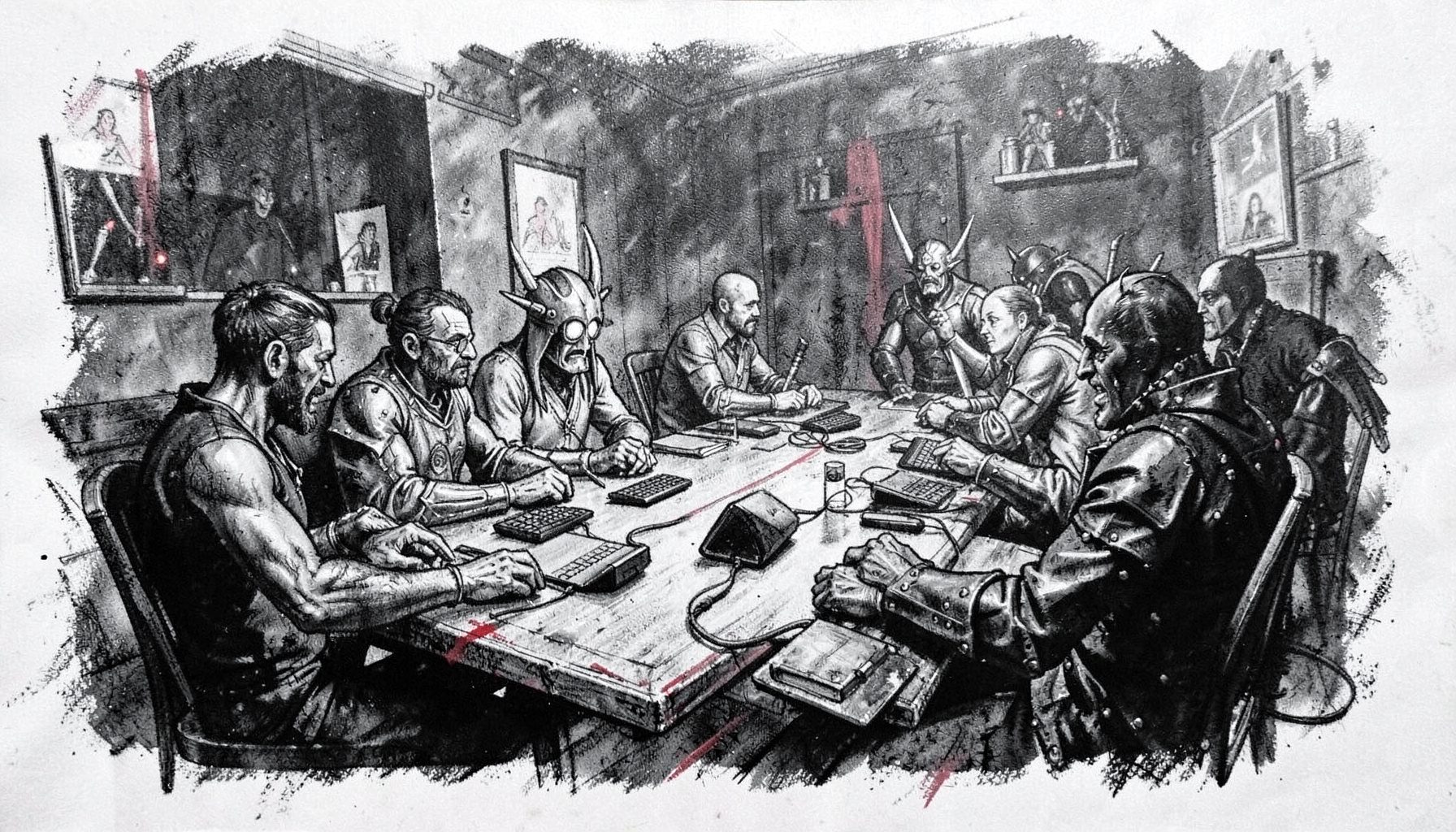
How to build a miniature escape room for home game nights
Designing a miniature escape room for your tabletop group is one of the most satisfying weekend projects a game master can take on. Whether you run D&D, Call of Cthulhu, or a homebrew system, weaving a 60-to-90-minute puzzle sequence into your regular session gives tired combat encounters a welcome shake-up. The good news is that you do not need a warehouse, a Hollywood budget, or a professional designer to pull it off. With a trip to Bunnings, a few padlocks from your local op shop, and a couple of hours of prep between campaigns, you can craft a tight, atmospheric puzzle chain that feels like a real escape room experience.
Many Australian designers cut their teeth at local conventions such as PAX Australia in Melbourne, MUSE in Sydney, and the big Strategic games weekend in Brisbane. Travelling to these shows is also a great way to see what experienced GMs are doing with set pieces, prop-heavy narrative, and prop-light puzzle design. You can borrow freely from those ideas, remix them, and tune the difficulty to suit your regular group's appetite for head-scratchers.
Picking a theme that fits your campaign
The fastest way to lock in your miniature escape room is to choose a theme that is already sitting inside your campaign world. If your players are investigating a haunted hospital in the Adelaide Hills, an abandoned prison block on the shores of the Derwent, or a forgotten mining outpost near Broken Hill, the story practically writes itself. A theme rooted in the world your group is already exploring makes the puzzles feel like discoveries rather than distractions, and it gives you licence to reuse clues, NPCs, and foreshadowing you may have planted weeks earlier.
Aim for a difficulty curve that ramps gently. Start with a low-stakes warm-up puzzle that rewards observation, push into a multi-step cipher or combination lock, and save the most lateral thinking for the final reveal. Many designers sketch this arc on an A4 sheet before writing a single prop note, and it pays dividends later when you realise the middle section is running ten minutes longer than expected. A scaled outline also helps you estimate how much physical build time each stage requires, which matters when you are juggling Bunnings sausage sizzle commitments on a Sunday arvo.
Sourcing props without blowing the budget
A common misconception is that escape room props need to be expensive or hand-crafted from scratch. In reality, your local Kmart, Big W, or even an Officeworks clearance bin can supply most of the raw materials: clipboards, combination locks, magnetic key holders, dry-erase marker sets, and foam board. Hobby stores such as Games Empire in Sydney or Milsims in Melbourne stock terrain bits that double as mandala-like puzzle pieces. Op shops around Fitzroy, Newtown, or Fremantle are goldmines for period-appropriate costume, odd tools, and battered books that add instant character to a puzzle table.
If you want the room to feel permanent, consider installing modular panels in a spare room, garage, or even a sturdy garden shed. Many Australian GMs use old IKEA Kallax shelves or cheap pine framing from Bunnings to build scene changes that can be swapped between sessions. The trick is to keep wiring simple: a handful of AA-powered sensors, a 12V doorbell circuit, and a small Bluetooth speaker are usually enough to run a five-puzzle chain without any mains-voltage tinkering. If you are new to circuits, grab a Jaycar starter kit and a couple of extension cords, then watch a few YouTube tutorials on relay switches before you start drilling holes. Saving the electronics for last also means you can test the puzzle logic with paper stand-ins first.
Crafting puzzles that feel fair and rewarding
Puzzle design is where most first-time builders stumble, and the lesson almost always comes down to clarity. A fair puzzle hints at its own solution; an unfair one demands trial-and-error logic that punishes the wrong kind of thinking. Before you commit a puzzle to the final build, ask yourself three questions. Does the clue reference something the players can see on the table right now? Does it require knowledge they probably have from the campaign, like a language, a family crest, or a piece of lore? And would an attentive but tired player, after a long arvo, still reach the answer within five minutes?
Layering is your best friend. A single physical lock works fine, but a layered puzzle, with say a UV-readable word that triggers a flashlight dependency, then a Caesar shift that unlocks a diary page, then a final combination for the escape door, keeps every player occupied. Match the puzzle style to the player strengths of your group. A group full of bookworms in Brisbane might enjoy letter substitution and literary allusions, while a tactical crew from a suburban Perth wargaming club will probably thrive on spatial reasoning and timed challenges. For inspiration on how experienced designers run high-stakes narrative moments, this rundown of standout LARP moments is a solid place to begin.
Running the session like a real escape room operator
Once the build is done, the session itself is part performance. Set a visible countdown timer, brief the players on the rules of engagement, and designate one off-screen helper, a "games master phone", that they can text for hints. Australian home groups often skip this role entirely, but having a designated hint-giver tends to reduce frustration if the group splinters into two or three parallel investigations. Keep the timer in a high-traffic spot, and avoid the temptation to reset when a key clue is found late.
Plan for chaos. Players will tear down your carefully staged bookshelves, eat the prop biscuits, and stack the puzzle boxes in the corner the moment you turn your back. Build a five-minute buffer for retouches, and never assume a prop will survive contact with an enthusiastic party member. Most groups finish their first run between 70 and 100 minutes even when you have tested every branch, so keep your post-game debrief casual. Order pizza, crack a couple of cold ones, and note down every complaint, confusion, or "aha" moment for the next iteration. Networking with other designers pays off long-term, and scanning the https://hlgcon.com/guests directory is a fast way to see which Australian GMs have shaped recent LARP and escape-room practice.
Testing, iterating, and scaling up over time
Build one room, run it three times, then rebuild the weak sections. That rhythm separates amateur builds from genuinely memorable home escape rooms. For a deeper look at running playtest sessions with strangers and conventions, this designer playbook walkthrough covers how to gather clean feedback without spoiling the puzzle. Once you are comfortable hosting your regular group, consider opening the room to other local players as a paid or koha session, especially around regional conventions like Canberran Capital Carnage, Conquest in Adelaide, or the tabletop mini-fests that pop up in regional pubs from Cairns to Hobart.
If you ever want to showcase your build or simply meet other homebrew designers, the broader HLG community has always welcomed fresh voices, and many of those creators share their prop plans, hint logic, and player-iteration notes in public forums. Networking with other designers is genuinely useful long-term, because the hobby thrives on cross-pollination: a puzzle mechanic from a Sydney LARP jam might be exactly what your next mystery needs to sing.
Field-tested recommendations for a polished build
- Choose three to five puzzles per hour of play; anything thicker and the pacing tanks.
- Use combination locks from a hardware store, padlocks from an op shop, or magnetic locks from a hobby supplier; avoid cheap plastic locks that jam.
- Always include a non-linear clue pathway so multiple players can investigate at once.
- Photograph every completed room for a portfolio; future you will thank present you when you forget how the wiring ran.
- Run a stress test the night before with one friend who has never seen the build; any puzzle they cannot solve within eight minutes needs a clue boost.
- Keep a printed hint sheet on hand, organised by point value rather than by puzzle, so the games master can drop hints without giving the answer.
A miniature escape room rewards the same care you already put into your campaign prep, and it scales gracefully from a one-shot interlude to a recurring side franchise. Start small: one locked box, one cipher wheel, a borrowed garden shed, and a Saturday arvo. By the time your group asks when the next mystery drops, you will already be sketching the next room over a flat white in your local cafe.