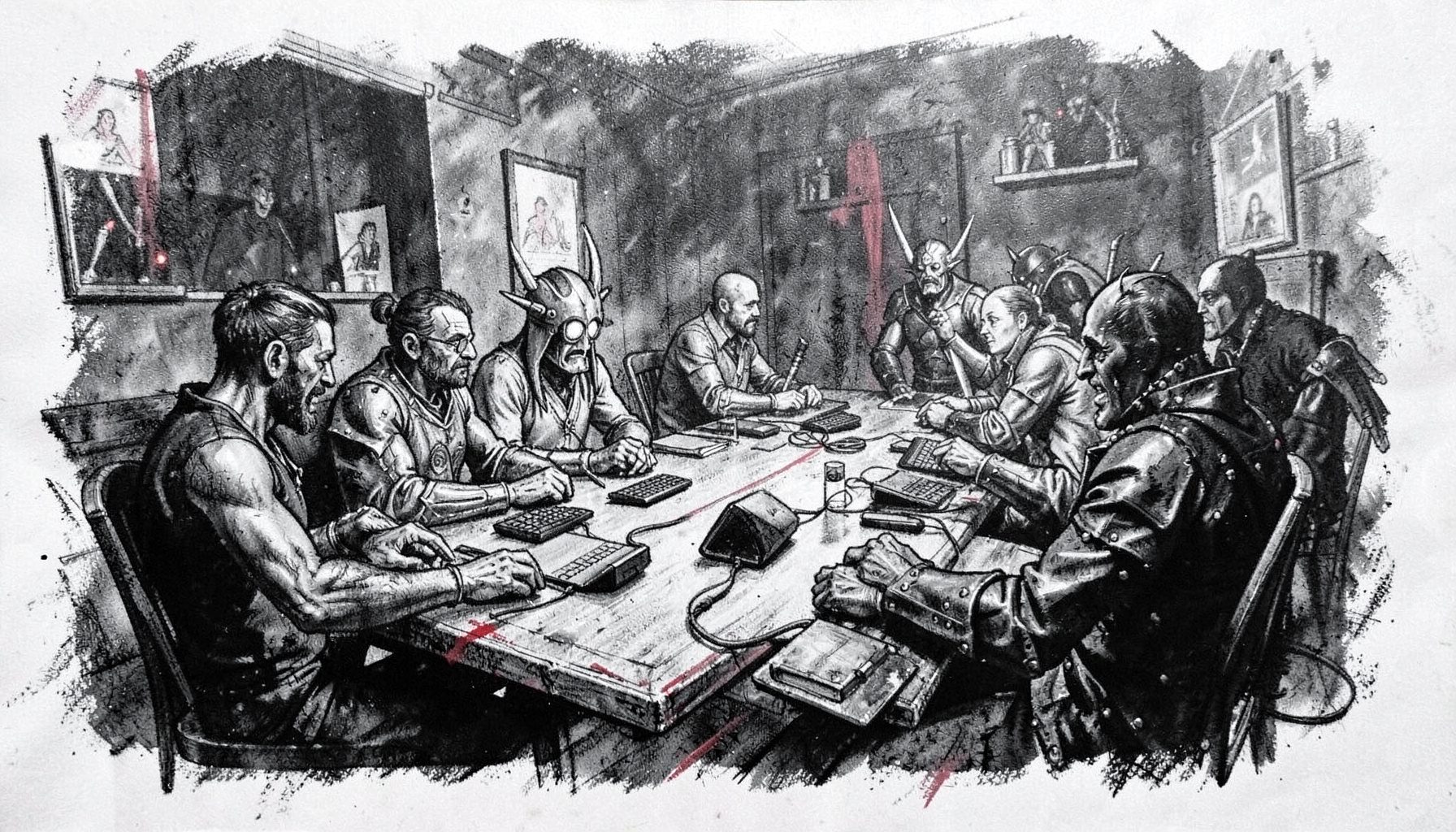
Late-Night Gaming In The HLGCon Hotel Lobby
At High Level Games Convention in 2018, the Showboat Hotel lobby became more than a passage between scheduled events. Once panels finished and formal sessions wound down, it offered a flexible after-hours setting for tabletop campaigns, character conversations, card games, rules debates and the kind of spontaneous storytelling that rarely fits a timetable.
For Australian visitors, the appeal is easy to recognise. A convention lobby has the social energy of a good games night at a Melbourne café or a Sydney community hall, with people drifting between tables instead of committing to a single room. The best late-night sessions were less about finding a famous venue and more about choosing the right patch of carpet, sofa or low table for the mood.
Why The Lobby Worked After Dark
The hotel lobby suited gaming because it balanced access and atmosphere. Players could meet friends arriving from another event, pick up a snack, stretch their legs and return to a campaign without crossing the whole venue. That mattered at a convention offering tabletop RPGs, LARP activities, workshops, panels, vendors and immersive diversions such as escape rooms.
The open layout also encouraged collaborative play. A group running a fantasy RPG might attract a passer-by who wanted to watch, while a board game could gain a replacement player when somebody finally surrendered to tiredness. The lobby was public enough to feel lively, yet informal enough for plans to change. It had the same relaxed “grab a chair and see how it goes” quality Australians often bring to an arvo games session.
Late-night gaming also softened the boundary between organised programming and community time. A scheduled game had a start and finish; a lobby gathering could begin with a rules explanation, shift into character discussion and finish with breakfast plans. That flexibility was central to HLGCon’s emphasis on inclusive participation.
The Sofa Ring For Roleplaying
The most dependable spot was the sofa cluster or any group of lounge chairs arranged close enough for everyone to hear. This was ideal for a compact tabletop RPG, especially a one-shot that needed conversation rather than a large spread of maps and miniatures. Players could settle in with character sheets on their knees and keep the game moving without claiming a formal table.
A sofa circle also worked brilliantly for post-LARP decompression. After spending an evening in costume or in character, participants could compare memorable scenes, explain a faction’s motives and unpack the choices that had shaped the story. The discussion might sound like ordinary convention chatter to outsiders, but for the people involved it was a continuation of the game world.
Comfort mattered more than appearance. A plush chair could be perfect for a facilitator who needed to speak for several hours, while a low table helped hold dice, pencils and drinks. Groups should have kept bags tucked beneath seats and left clear walkways, particularly near lifts and entrances where hotel guests and convention attendees were still moving through the building.
The Quiet Table For Focused Games
Not every late session needed noise and spectacle. A quieter table at the edge of the lobby was better for deduction games, campaign planning, deck construction and rules-heavy systems. These games rewarded concentration, so a location away from the busiest foot traffic made it easier to track a long turn or hear a detailed explanation.
This was also where designers and artists could have meaningful conversations with players. A prototype card game or unfinished setting often benefited from an unhurried audience. HLGCon’s creative side was visible throughout the convention, including the people responsible for its visual identity. The illustrated programme guide reflects how much character artwork can add to a convention’s shared atmosphere.
For Australian gamers used to purchasing imported products, these informal conversations had extra value. Exchange rates, postage costs and limited local distribution can make overseas titles expensive to explore. A lobby demonstration offered a low-pressure way to learn whether a system, supplement or art style was worth adding to a future order in Australian dollars.
The Bar-Edge Crowd
Near a hotel bar or refreshments area, the lobby became the natural home for lighter games. Social deduction, party games, card games and quick competitive rounds were easy to join and easy to leave. Someone could watch one round while waiting for friends, then step in for the next without interrupting an extended campaign.
This area suited a mixed crowd particularly well. Experienced players could teach newcomers, while vendors, artists, GMs and attendees from different gaming communities could mingle without a formal introduction. The conversation might move from a newly released rulebook to a LARP costume, then to the best convention snack available after midnight.
The main rule was volume awareness. A spirited game can become very loud in a hard-surfaced lobby, especially when tired players start celebrating dramatic dice rolls. Keeping voices at a reasonable level helped preserve the atmosphere for quieter groups and respected hotel guests who were not attending the convention. “No worries” works as a gaming philosophy, but it should not mean ignoring everyone within earshot.
The Corner For Artists And Storytellers
A less crowded corner could become a miniature creative studio. Sketchbooks, campaign notes, character portraits and setting ideas all found a natural place there. Artists could draw while chatting, and players could describe their characters in enough detail to turn a late-night conversation into a collaborative design exercise.
That creative exchange matched HLGCon’s broad audience. The convention brought together role-players, designers, publishers, illustrators and vendors, so the lobby was a useful bridge between making games and playing them. A quick conversation about visual tone could influence a character concept; a discussion of accessibility could change how a group presented its next session.
For visitors from Australia, the setting also offered a familiar convention rhythm. Local events such as PAX Aus, Oz Comic-Con and smaller tabletop gatherings often rely on shared spaces where people trade recommendations between sessions. HLGCon’s lobby had a similar ecosystem, though its Atlantic City location gave it a distinctly American hotel-convention feel. The atmosphere was international without becoming formal.
The Best Matches For A Late Session
The right game depended on energy levels, available space and how much explanation a new player needed. A complicated campaign could be rewarding, but it was rarely the wisest choice when half the group had been awake since an early flight. Australian attendees crossing several time zones may have found themselves alert at unusual hours, while local players were ready to call it a night.
Short formats kept the lobby welcoming. A twenty-minute card game, a scene-based RPG or a rotating storytelling exercise allowed people to participate without making a long commitment. Longer games worked best when the group had already formed and had a clear agreement about noise, seating and stopping time.
A good late-night host also watched for social fatigue. New players should not need to understand every rule before joining, and nobody should feel pressured to stay because a campaign is reaching its dramatic climax. The event’s published event details provide useful context for the wider programme, but the lobby’s strongest feature was its ability to adapt around individual comfort.
Small Habits That Kept Games Running
The most successful gatherings were prepared without becoming over-organised. A few basic supplies made a major difference, especially when shops were closed and the nearest late-night option was not convenient. Players who packed light but sensibly could move between the lobby, sessions and hotel rooms with less fuss.
Useful habits included:
- Bring a compact dice set, pencils, an eraser and a phone charger.
- Choose games with teachable rules and flexible player counts.
- Keep drinks covered and food away from cards, character sheets and borrowed components.
- Leave walkways, lifts and hotel service areas unobstructed.
- Set a quiet-hour expectation before starting a loud or highly competitive game.
- Carry a light layer, since hotel air-conditioning can feel surprisingly cool overnight.
Australian visitors may also want to plan around practical travel details. American portion sizes, tipping customs and prices in US dollars can make a quick snack cost more than expected when converted from AUD. A small stash of familiar supplies from home can be useful, though venue rules and airline restrictions should always be respected. Even simple planning helps preserve energy for the actual game rather than a midnight search for stationery or refreshments.
A Practical Late-Night Setup
The ideal lobby session began with a clear purpose: a short adventure, a relaxed card game, a character workshop or a chance to meet other attendees. Once that purpose was set, the group could choose a location that matched it instead of trying to force every activity into the same seating area.
A sofa circle supported conversation and roleplay; a quiet table supported strategy; a bar-edge space supported quick social games; and a tucked-away corner supported drawing, writing or reflective discussion. Moving between these spots was part of the experience, especially when one group finished and another needed a few extra players.
A simple approach worked best:
- Start with a game that can welcome someone new.
- Use portable components and keep the table footprint modest.
- Check the noise level whenever the lobby becomes busier or quieter.
- Pause before fatigue turns friendly competition into frustration.
- Finish by returning borrowed furniture and collecting every token, card and pencil.
The hotel lobby’s late-night appeal came from its mixture of structure and freedom. It offered enough shelter for focused play, enough movement for chance encounters and enough openness for collaborative storytelling to keep changing shape. For anyone recreating that HLGCon feeling at an Australian convention or local games night, the practical takeaway is straightforward: choose a comfortable shared space, bring an easy-entry game and leave room for the unexpected.