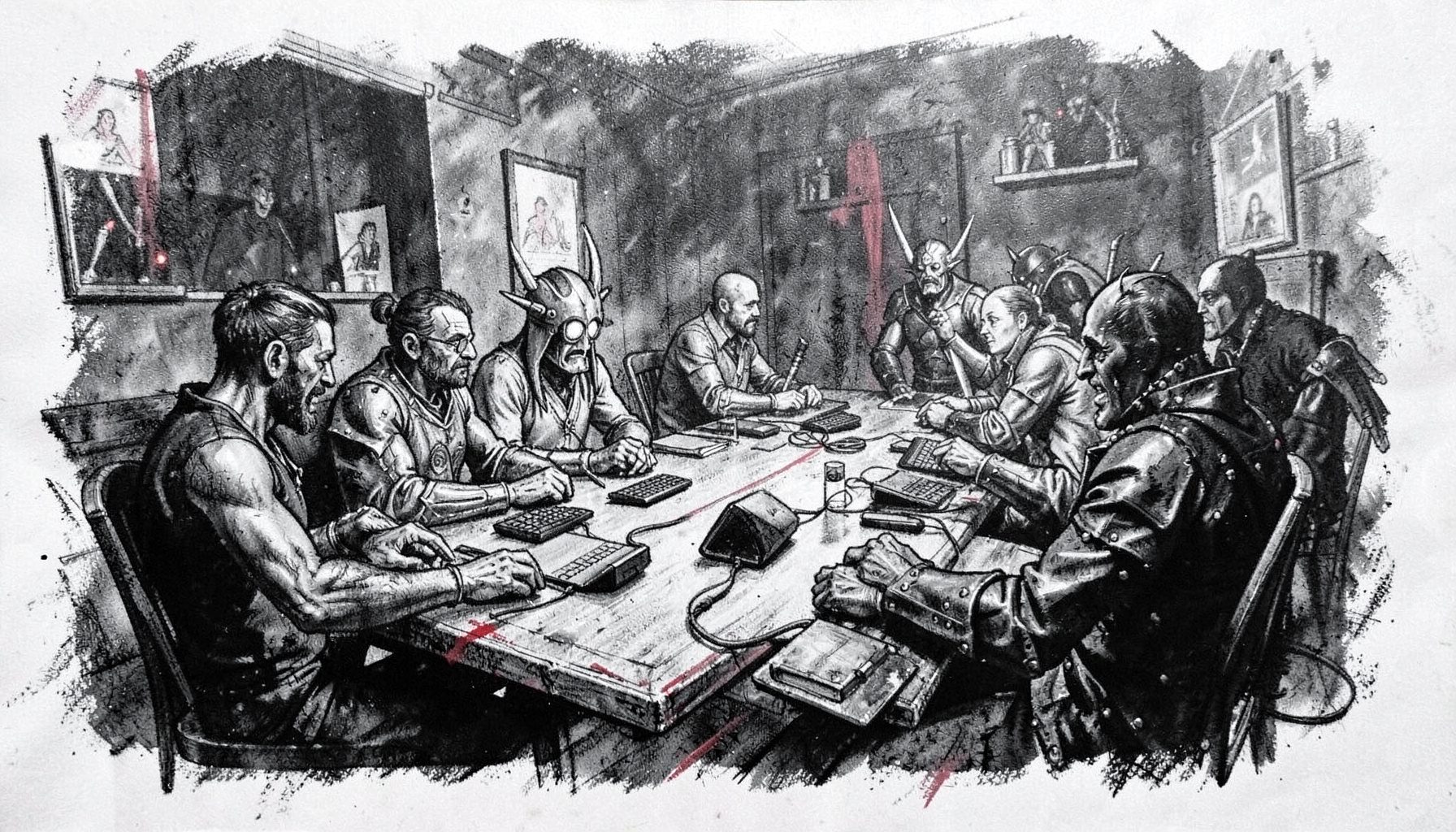
Finding RPG Playtest Groups at a Convention
A convention can turn a rough role-playing game concept into a playable, testable experience within a single weekend. The challenge is finding people who match the game’s intended audience, understand what you need from the session, and have enough time to give useful feedback afterwards.
At an event shaped by tabletop RPGs, LARP, workshops, panels and collaborative storytelling, playtesting can happen almost anywhere: in a scheduled gaming room, at an exhibitor table, during a quiet café break or through a spontaneous conversation in a queue. A little preparation helps you recognise the right players and make the most of a short convention slot.
| Playtest option | Best for | Main advantage | Common limitation |
|---|---|---|---|
| Scheduled convention session | Full scenarios and complete games | Clear time limit and organised players | Less flexibility if the session runs late |
| Open gaming area | Quick mechanics and early prototypes | Easy to find available players | Noise and changing attendance |
| Designer or playtest meetup | Focused critique and development advice | Participants expect design discussion | Feedback may be more technical than typical-player focused |
| Exhibitor or publisher contact | Market fit and production questions | Access to experienced industry voices | Usually unsuitable for a full play session |
| Informal corridor or café group | Very short tests and recruitment | Fast, personal connection | Consent and expectations need extra clarity |
Define What You Need To Test
Before approaching anyone, reduce your playtest objective to one or two specific questions. You may want to test whether character creation is understandable, whether a conflict mechanic moves quickly, or whether players recognise the intended genre. A broad request such as “Tell me if my RPG is good” usually produces scattered opinions rather than useful evidence.
Write a short playtest brief that includes the game’s genre, player count, session length and current development stage. Explain whether the rules are complete, whether pregenerated characters are available, and whether you want feedback during play or in a discussion afterwards. This makes it easier for a busy convention attendee to decide whether the session suits them.
Australian conventions often have tight timetables and large travel distances between venues. Someone attending PAX Aus in Melbourne may have planned every hour, while a local player at a smaller Brisbane or Adelaide event may be more open to an impromptu game. A precise request respects both situations.
Find Players Through Several Channels
Start with the convention’s official schedule, community Discord, social media groups and online registration system. Some events list independent playtest sessions alongside panel programming, while others provide open tables where designers can advertise available seats. Check the rules before placing flyers or recruiting in busy walkways.
The exhibitor hall is valuable because it brings together players, designers, artists and publishers who are already interested in new games. A small prototype card, one-page rules summary or distinctive character sheet can make your project easier to remember. If you are seeking professional advice as well as players, review the event’s sponsorship information to understand how formal participation may support visibility.
Do not rely on one channel. Ask a game master, workshop facilitator or local organiser whether they know players who enjoy the genre you are designing. You can also join a scheduled session, demonstrate that you are considerate at the table, and mention your playtest during a natural conversation rather than interrupting another group’s game.
Make The Invitation Easy To Accept
A good recruitment pitch takes less than a minute. State what the game is, how long the session takes, how many players you need and what kind of feedback would help. “I am testing a two-hour investigative RPG for three to five players, with pregenerated characters and no rules knowledge required” gives people enough information to make a decision.
Be honest about the prototype’s condition. If the rules are experimental, say so. If the scenario contains repeated combat, intense emotional themes or a deliberately unusual resolution system, disclose that before anyone sits down. Players are more forgiving of rough design when the expectations are clear.
Offer practical details that matter at a convention: where to meet, what happens if someone arrives late, whether food or drinks are permitted, and whether the session is free. In Australia, convention ticket prices, accommodation costs and transport from cities such as Sydney or Perth can make attendees careful about how they spend their time. A respectful invitation treats their participation as valuable.
Build Safety Into The Session
Safety tools are part of professional playtesting, especially when the game involves horror, betrayal, romance, violence or themes drawn from real-world trauma. Use a brief content note, invite players to flag boundaries privately, and explain how they can pause or leave without needing to justify themselves. A simple check-in system can prevent a difficult moment from derailing the whole table.
LARP and escape-room communities have developed particularly practical approaches to consent and boundaries. The discussion of safe-word systems offers useful context for adapting those principles to tabletop play. You do not need a complicated procedure, but everyone should know what a pause signal means and how the facilitator will respond.
Ask permission before recording audio, photographing character sheets or collecting names and email addresses. Keep feedback anonymous when possible, particularly if you are testing with new acquaintances. An inclusive table produces better information because players can focus on the game rather than managing social pressure.
Run A Focused Convention Playtest
A convention session is rarely the right place to test every subsystem. Select a representative slice of play and prepare materials that remove avoidable delays. Pregenerated characters, reference cards, a clear starting situation and visible turn-order information can give you more time to observe the design.
Assign a time budget to each phase. For example, allow fifteen minutes for explanation and character choices, seventy-five minutes for the main scenario and thirty minutes for debriefing. If the game is unfinished, prioritise the mechanic under examination instead of apologising for every missing feature.
During play, record observable behaviour rather than only personal impressions. Note where players hesitate, which rules they forget, when they start inventing their own interpretations and whether the facilitator has to intervene. A quiet table is not automatically a successful one; players may be confused, tired or reluctant to criticise the designer.
Gather Feedback That You Can Use
Debrief immediately while details remain fresh. Begin with neutral questions such as “What did you think the game was asking you to do?” and “When did you feel most engaged?” These reveal whether the rules and fiction communicated their purpose without steering participants towards a preferred answer.
Separate player experience from design diagnosis. Someone may dislike a stealth-focused game but still identify that the action economy worked smoothly. Conversely, a player may praise the setting while missing the core mechanic. Ask what they expected, what surprised them, where they felt lost and what they would change before playing again.
A short written form helps compare several sessions. Useful prompts include ratings for clarity, pacing and enjoyment, followed by space for one memorable moment and one point of friction. Avoid collecting so much data that players spend longer completing the survey than discussing the game.
Prepare A Reliable Recruitment Kit
Bring a compact kit that allows you to start a session without hunting for supplies. Keep digital backups, but assume that venue Wi-Fi, phone batteries and screens may fail. Print only what is necessary and label every handout so a late-arriving player can understand it quickly.
- A one-sentence pitch describing the game’s premise and genre
- A playtest brief with duration, player count and feedback goals
- Pregenerated characters or a streamlined character-creation option
- Safety notes, content warnings and a clearly explained pause signal
- Dice, tokens, pens, spare paper and a visible timer
- A short feedback form with an optional contact field
- A calendar link or printed details for any follow-up session
Use Australian spelling and familiar local pricing when presenting a public prototype. If you hope to sell the game locally, think about whether its expected price in Australian dollars suits the small but active indie RPG market. A designer may have strong support in Melbourne or Sydney while still needing online playtests to reach regional players.
Turn A Convention Meeting Into Ongoing Testing
The best convention contact is not always the person who gives the most enthusiastic compliment. Look for players who describe specific moments, ask thoughtful questions and can explain why a rule worked or failed for them. With permission, exchange contact details and record what they were interested in so your follow-up message feels personal.
Send a brief message within a few days. Thank them, mention one useful observation from the session and state what kind of future test you may run. Do not promise a complete redesign on the basis of one comment. Compare feedback across multiple groups, especially when players had different levels of experience with tabletop RPGs.
Create a repeatable testing cycle: recruit, run, observe, debrief, revise and test again. A convention may provide the first concentrated burst of participants, but online sessions, local game shops and regular groups can reveal whether the changes hold up over time. The practical takeaway is simple: arrive with a narrow question, invite players with clear expectations, protect the table’s safety and leave with evidence you can use in the next draft.