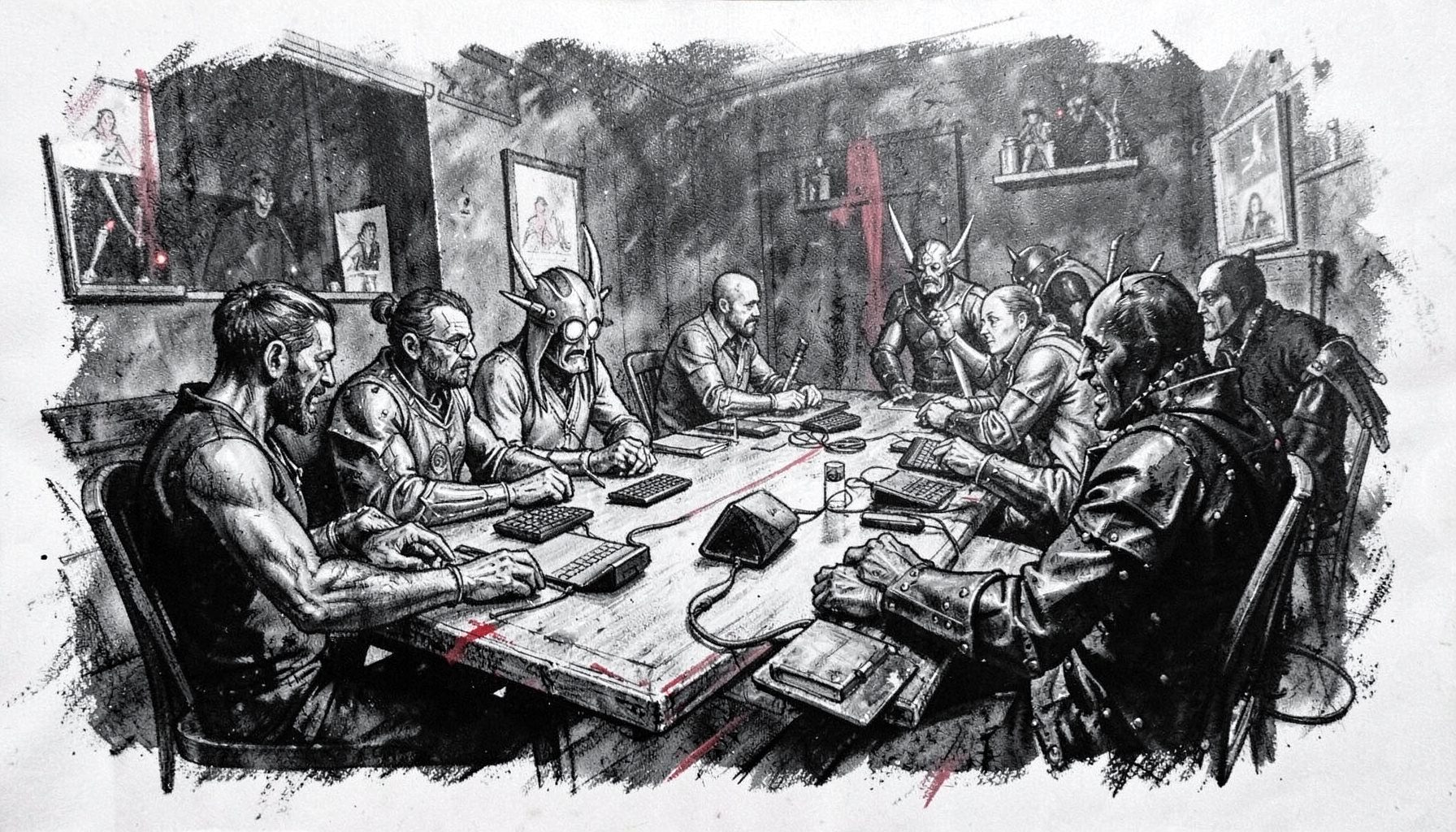
Networking Tips for First-Time Convention Attendees
Walking into a gaming convention for the first time can feel like entering a busy tavern where everyone else already knows the house rules. Tables are covered with character sheets, dice roll across floors, artists sketch in corners, and conversations begin at a pace that can be difficult to follow. The good news is that most attendees are there because they enjoy sharing games, stories, and creative ideas.
A convention such as High Level Games Convention offers several natural ways to meet people. Tabletop role-playing sessions, live-action role-play activities, panels, workshops, escape rooms, and the exhibitor hall all create opportunities for conversation without requiring a polished elevator pitch. You already have a useful opening line: ask someone what they are playing, making, or hoping to see.
For Australian attendees, the experience may involve travelling interstate to a major event, budgeting in Australian dollars, and adapting to a larger American convention setting. Someone from Perth may be used to planning carefully around flights, while a visitor from Melbourne or Sydney might compare the event with PAX Aus, Oz Comic-Con, or a local games expo. Different conventions have different rhythms, but friendly curiosity works everywhere.
The most effective networking is rarely about collecting the largest number of contacts. It is about having a few genuine conversations, finding people with compatible interests, and making it easy to speak again after the weekend. A thoughtful introduction, a respectful follow-up, and a willingness to participate can turn a brief encounter into a creative partnership or a long-term gaming friendship.
Start With Low-Pressure Conversations
The easiest way to meet people is to focus on the activity already happening around you. At a role-playing table, ask whether a seat is available or whether the game welcomes observers. In a workshop, mention something specific from the presentation. Near an artist’s table, comment on a character design or ask what inspired a piece. Specific observations feel more natural than a vague request to “network”.
Keep your opening simple and genuine. “What system are you playing?” “Have you tried this game before?” and “Which panel has been your favourite so far?” are useful conversation starters. Australians often use relaxed language such as “How ya going?” or “No worries,” and that informal tone can help reduce awkwardness. You do not need to imitate an accent or force slang; a warm, straightforward manner is enough.
Listen for shared interests rather than rushing to describe yourself. If someone mentions indie publishing, LARP costuming, horror campaigns, or accessible game design, ask one follow-up question. People usually remember someone who gave them room to speak. When the conversation reaches a natural pause, introduce yourself with your name, city, and main interest: “I’m Alex from Brisbane, and I mostly play narrative RPGs.”
Use Scheduled Activities as Social Anchors
A full convention schedule can become overwhelming, especially when several appealing sessions overlap. Choose a few anchor activities in advance, such as a morning game, an afternoon panel, and an evening social event. Returning to familiar spaces makes it easier to recognise people and continue conversations later. It also prevents networking from becoming an exhausting task squeezed between every item on the programme.
Gaming sessions are especially helpful because they provide a shared experience. When a table ends, you can discuss the most memorable character decision, funniest dice roll, or surprising plot twist. This gives you a natural reason to exchange details with fellow players. If the game went well, suggest staying in touch for an online session or checking whether they are attending another activity.
Panels and workshops offer another route into community participation. Arrive a few minutes early, sit near people who seem open to conversation, and introduce yourself before the session begins. Afterward, thank the presenter and briefly mention what you found useful. At a convention built around collaborative storytelling, contributing thoughtfully is often more valuable than trying to appear highly knowledgeable.
Inclusive events work best when attendees make room for different experience levels, communication styles, and access needs. The account of inclusive community participation at High Level Games Convention illustrates how welcoming behaviour can shape the whole atmosphere. For a first-time attendee, that means avoiding assumptions, respecting boundaries, and inviting quieter participants into a conversation without putting them on the spot.
Make the Exhibitor Hall Work for You
The exhibitor hall is a concentrated meeting place for publishers, designers, illustrators, retailers, and fans. Instead of trying to visit every table, scan the room and choose a few stalls that match your interests. Ask creators how a product was developed, what audience it suits, or whether they are looking for playtesters. A short, relevant question is more memorable than browsing silently and leaving a business card behind.
Independent creators often value practical feedback. If you have played a demo, explain what stood out and be specific about what confused you. If you are interested in writing, illustration, game mastering, or event production, say so clearly. The vendor may know about a local group, online community, playtest opportunity, or future project that suits your skills.
The exhibitor hall can also show how a convention economy works. Australian creators may be accustomed to local indie markets, direct sales at conventions, online storefronts, and the costs of shipping products across a large country. At an overseas event, ask about international ordering, digital editions, postage, and currency conversion before making a purchase. A friendly conversation does not require you to buy something, though supporting a small creator when you can is appreciated.
Stories from the people behind the stalls, including these vendor experiences, reveal why the hall is more than a retail area. It is a place where creative relationships begin. If a designer seems busy, respect the queue and return later rather than interrupting a sales conversation.
Exchange Details Without Making It Awkward
Not every new acquaintance needs your full professional profile. Start with a name and a shared interest, then decide whether the relationship is worth continuing. You might exchange Discord usernames, Instagram handles, an email address, or a convention community link. For Australian attendees, remember that an overseas contact may use different platforms or have a very different time zone, so clarify the best way to reach them.
A useful contact is attached to context. Add a note such as “met at the horror RPG workshop” or “plays narrative LARP and lives in Adelaide”. This prevents the common problem of returning home with several usernames and no memory of who is who. If you use a business card, write a short reminder on the back before moving on.
Respect privacy and consent. Do not photograph someone’s costume, record a conversation, add them to a group chat, or tag them online without permission. Some people attend conventions under a nickname or keep their professional and gaming identities separate. A simple “Would you like to swap details?” gives the other person a clear choice and keeps the exchange comfortable.
Follow up within a week while the meeting is still fresh. Mention where you met and refer to a specific conversation: “It was great talking about beginner-friendly systems after the workshop.” Then share something relevant, such as a game recommendation, a campaign resource, or a link to an event. Keep the message light and avoid treating a new contact as an immediate obligation.
A Practical Plan for Your Convention Weekend
Good networking is easier when you protect your energy. Plan breaks, carry water, wear comfortable shoes, and leave room for unplanned conversations. Convention days can be long, and travelling from an Australian city may add jet lag, unfamiliar transport, or hotel logistics. At the Showboat Hotel setting, moving between activities, accommodation, meals, and social spaces could be convenient, but it still helps to know where you can take a quiet pause.
Use these simple habits to make each interaction more comfortable and useful:
- Set one achievable social goal, such as meeting two new players or speaking with one designer.
- Prepare a short introduction that includes your name, location, and favourite type of game.
- Attend at least one activity where beginners are clearly welcome.
- Carry a phone charger, a pen, and a way to record contact details with context.
- Ask before taking photographs, joining private groups, or sharing someone’s information.
- Send a brief, personalised follow-up message within seven days.
Networking does not need to dominate your timetable. A single enjoyable game can be enough to meet several people, while a conversation over coffee or an arvo snack may become the most valuable part of the day. If you feel stuck, return to a reliable topic: the session you just attended, a game on the table, or a memorable moment from the convention.
The strongest connections usually grow from participation rather than performance. Join the game, thank the organiser, encourage another player, and share your enthusiasm without expecting anything in return. For Australian attendees, that might mean bringing a local recommendation from a Melbourne games shop, mentioning a Brisbane RPG meetup, or explaining how a Perth group handles online campaigns across distance. Small details give people something real to remember.
When the weekend ends, review the contacts that felt genuine and follow up with care. Keep the message specific, respect the other person’s response time, and look for a low-pressure way to continue the shared interest. The practical takeaway is simple: choose activities you enjoy, start with one sincere question, and leave every conversation with enough context to make the next one easy.