How HLGCon Built a Welcoming Space for Every Kind of Player
In the autumn of 2018, the Showboat Hotel in Atlantic City opened its doors to a different kind of gathering. High Level Games Convention, often shortened to HLGCon, arrived with a clear mission: bring tabletop role-players, live-action enthusiasts, designers, artists, and curious newcomers under one roof and make sure each of them felt like they belonged. The convention's organisers understood that gaming culture thrives when participation is broad, so they built the entire programme around the idea that no one should have to earn their seat at the table.
That ethos shaped everything from the layout of the gaming halls to the way volunteers greeted attendees. Sessions were designed so that a first-time player could sit down next to a seasoned dungeon master without anxiety, and workshops were framed as conversations rather than lectures. The result was a gathering where the barriers between professional designers, casual hobbyists, and people who had never rolled a twenty-sided die began to dissolve within hours of arrival.
Open Doors and Open Tables
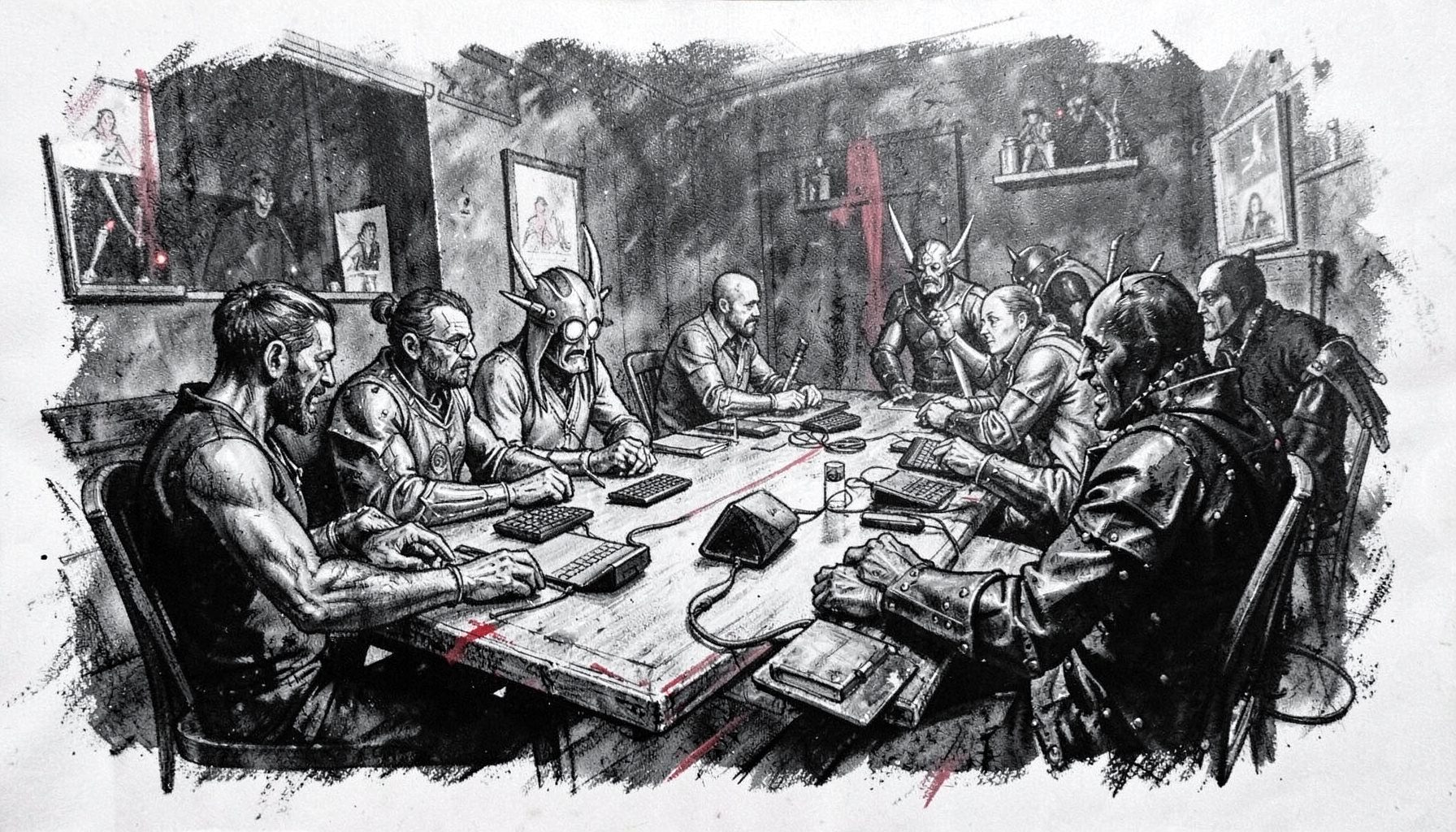
One of the most visible commitments to inclusion at HLGCon was the structure of its gaming floor. Long banquet-style tables were arranged in clusters rather than isolated booths, which meant a group playing a one-shot in one corner could easily peek over and see what a different system looked like a few feet away. This openness encouraged players to drift between games, ask questions, and sometimes join mid-session when space allowed.
Volunteers, many of them veteran convention organisers, made a point of walking the floor and offering gentle introductions. If someone looked hesitant, a volunteer might suggest a beginner-friendly table or invite them to watch a demonstration before committing. The convention also reserved specific tables for drop-in play, where anyone could pull up a chair without booking in advance. These tables became social anchors throughout the weekend, particularly for solo travellers who had flown in without a pre-formed group.
The exhibitor hall followed a similar philosophy. Small independent publishers sat alongside established studios, and the hall was wide enough to accommodate mobility aids, prams, and the occasional costumed LARP participant without bottlenecks. Australian designers who shipped prototypes across the Pacific for the event appreciated that the aisles never felt cramped, a detail that mattered when you had travelled from Melbourne or Brisbane with boxes of hand-stitched dice and rulebooks.
From First Roll to Marathon Sessions
HLGCon's programme scaled gracefully from short introductory sessions to extended campaigns. Beginners could sample a two-hour taste of a system, while veterans could sign up for multi-hour arcs that unfolded over the course of the weekend. The scheduling team deliberately staggered start times so that attendees did not have to choose between two appealing events happening simultaneously.
For those who wanted to test their endurance, the convention hosted marathon sessions that pushed the boundaries of what a single weekend could contain. Game masters prepared elaborate scenarios, some running twelve hours or more, and welcomed players of varying experience levels into the narrative. A detailed Interview with a Game Master Who Ran a 12-Hour Marathon Session captures the energy of one such event, where strangers bonded over shared choices and improvised storytelling well past midnight.
This range mattered for international visitors, including Australians who had crossed several time zones to attend. A Sydney-based player could ease into the convention with a short Friday afternoon session before committing to something more ambitious the next day. The flexibility reduced the risk of burnout and made the trip feel worthwhile even for those who had spent twenty-plus hours on a plane to be there.
Policies That Protected Everyone
A welcoming atmosphere does not happen by accident. HLGCon backed up its inclusive rhetoric with a written code of conduct that was published well before the event and printed in the programme booklet. The document outlined expected behaviour, provided clear definitions of harassment, and explained the reporting process in plain language. Attendees knew what would happen if lines were crossed, and they knew who to approach.
The convention's policies and conduct guidelines also addressed practical matters like sensory considerations, designated quiet spaces, and accessibility routing. Organisers recognised that inclusion meant more than good intentions; it required infrastructure. Quiet rooms were set aside for neurodivergent attendees and anyone who simply needed a break from the sensory richness of the main hall. Signage was large and high-contrast, and session leaders were briefed on how to welcome players with different communication styles.
These measures reflected a broader cultural shift in gaming conventions, one that Australian community organisers had already been championing at home. Local events in Adelaide and Perth had introduced similar protections, and seeing them adopted at an American convention signalled that the movement had matured beyond regional pockets.
LARP and Immersive Activities as Equalizers
Live-action role-play offered some of the most powerful moments of connection at HLGCon. Because LARP relies on physical presence, costume, and improvisation, it strips away many of the markers that usually divide players, such as experience, collection size, or familiarity with a particular rule set. A first-time LARPer wearing a borrowed tunic could contribute as meaningfully as a veteran in bespoke armour.
The convention's LARP coordinators ran a mix of small chamber games and larger ensemble pieces. Some were designed for six players in a hotel meeting room; others sprawled across the Showboat's event spaces with dozens of participants. The variety meant that people who felt daunted by the scale of a big production could still find an entry point. Escape room experiences, woven into the programme, offered another layer of collaborative play that required no prior knowledge of any system.
For Australian attendees, these immersive activities carried an extra layer of appeal. Back home, LARP scenes tend to cluster in certain cities, and access can be limited in regional areas. HLGCon's willingness to host such a wide range of immersive play, including options for participants who had never tried LARP before, gave visitors a chance to experience forms of the hobby that might not be readily available in their home communities.
A Convention That Spoke to a Global Hobby
By the closing hours of the weekend, HLGCon had delivered on its promise of participation. Designers had tested prototypes with real players, newcomers had discovered a lifelong hobby, and veterans had reconnected with the collaborative spirit that drew them to gaming in the first place. The convention's location in Atlantic City, with its boardwalk and its history of reinventing itself, felt appropriate for an event built around the idea that games can bring together people who might otherwise never meet.
The diversity of formats on offer reflected a commitment to meeting players wherever they were in their hobby journey, from casual curiosity to deep obsession. The schedule below outlines how those formats compared in terms of accessibility, social energy, and typical group size.
| Participation Format | Skill Barrier | Social Dynamic | Typical Group Size |
|---|---|---|---|
| Beginner Tabletop Tables | Very low | Welcoming, guided | 4–6 players |
| Drop-In Open Seats | Low | Flexible, casual | 3–7 players |
| Marathon Campaigns | Medium | Committed, narrative-driven | 5–8 players |
| LARP Scenarios | Low to medium | Physical, collaborative | 6–30 players |
| Escape Room Experiences | Low | Team-based, time-pressured | 4–8 players |
| Designer Workshops | Medium | Instructional, interactive | 10–25 participants |
Reading across the rows makes clear that no single activity was treated as the headline. Beginner tables sat alongside marathon campaigns, and escape rooms shared the timetable with designer workshops. That balance was not accidental; it was the result of organisers who believed that a healthy convention mirrors a healthy community, where space is made for every kind of player.
What stayed with attendees long after they packed their dice was the sense that a convention could be both ambitious and kind. HLGCon treated inclusive community participation not as a marketing line but as a design principle, shaping everything from policy documents to the placement of a single extra chair at a crowded table. The experience reminded everyone, from Atlantic City locals to visitors who had flown in from Sydney, Melbourne, or Perth, that the best gaming memories are built when everyone has a place to play.