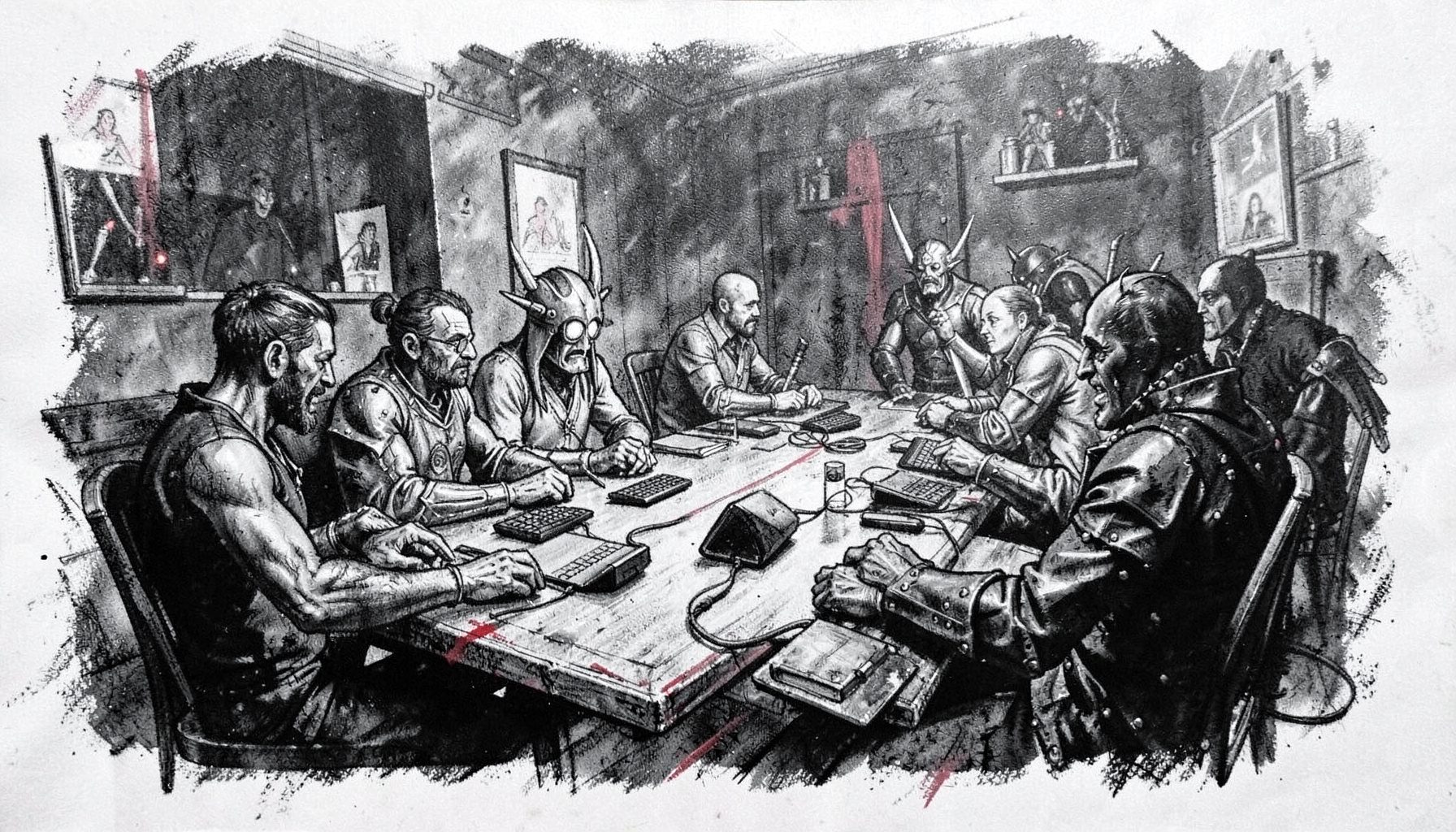
Designing a Scavenger Hunt for a Convention Floor
A well-designed convention scavenger hunt turns an exhibitor hall into a playable story. Instead of wandering between vendor tables, attendees follow clues, notice creative details, meet participants, and discover parts of the event they might otherwise miss. Designing a Scavenger Hunt for a Convention Floor works especially well at gaming conventions, where imagination, collaboration, and playful competition are already part of the atmosphere.
The strongest hunts feel like an extension of the convention rather than an interruption. A clue might lead to a game designer demonstrating a prototype, an artist displaying character sketches, a LARP organiser explaining a prop, or a panel room where a fictional faction is recruiting allies. The activity should reward curiosity without forcing every visitor to stop, purchase something, or reveal personal information.
At a large Australian event, practical planning matters as much as theme. A Sydney or Melbourne convention may have attendees arriving by public transport, carrying backpacks, and moving between crowded rooms during short breaks. In Brisbane, heat and sudden rain can affect queues and outdoor clues, while a Perth event may need to account for larger distances between transport hubs and the venue. The hunt should be flexible, accessible, and easy to understand within a busy schedule.
Build A Clear Mission
Begin with a simple premise that gives the hunt purpose. Players could be assembling a lost spell, helping a guild prepare for a tournament, investigating a mystery, or collecting evidence about a fictional crisis. The story should be understandable in one minute, with enough flavour to make each clue feel meaningful. A page of dense lore may appeal to dedicated role-players but can discourage families, first-time convention visitors, and people joining halfway through.
Set a defined completion condition. Participants might need six stamps, four verified answers, or a combination of symbols found around the hall. Avoid requiring every station, since queues, accessibility needs, meal breaks, and overlapping sessions can make a full circuit unrealistic. A route with optional bonus objectives gives enthusiastic players extra depth without disadvantaging anyone who has less time.
Use several clue types to keep the experience varied. A visual clue can ask players to identify a colour on a poster, while a conversation clue can involve asking a vendor about a game mechanic. A code, map fragment, or short puzzle can add tabletop flavour. Keep written instructions in plain English, with readable type and strong contrast. Australian spelling and familiar terms such as “queue” and “lift” help the activity feel locally prepared rather than copied from an overseas template.
Map The Floor Before Writing Clues
Walk the venue at the same time of day when the hunt will operate. Record pinch points near entrances, food areas, toilets, lifts, fire exits, registration desks, and popular exhibitors. A clue that looks harmless on a quiet morning may create a bottleneck when hundreds of people leave a panel. Leave clear paths for wheelchairs, mobility scooters, prams, and attendees who need extra personal space.
Choose stations with different functions. A publisher might host a simple observation task, an artist could provide a symbol for the answer sheet, and a workshop leader might offer a short riddle between sessions. Ask exhibitors for permission before including their tables, and give them a clear estimate of expected traffic. Participation should never imply that an attendee must buy something, subscribe to a mailing list, or hand over contact details.
Prepare a printed floor map as well as a digital version. Mobile reception can be inconsistent in crowded halls, and some attendees will be conserving battery for travel home. For Australian venues, include useful landmarks such as the nearest accessible entrance, water refill point, cloakroom, and first-aid desk. If the event is in a precinct served by trains, trams, or buses, a small transport note can help visitors plan around the final session rather than rushing through the hunt.
Protect Spoilers, Privacy, And Safety
A convention mystery loses its appeal when answers are posted publicly before most people have played. Mark answer sheets with a clear “do not share” note and ask staff to use discreet language when checking entries. A short policy based on a no-spoilers style guide can explain how to discuss clues online without exposing solutions, character identities, or later stages of the event.
Some hunts involve unpublished game material, hidden rooms, or surprise performances. Separate public instructions from information intended only for crew and participating exhibitors. A no-secrets style guide can help volunteers understand what must remain confidential, including access codes, performer movements, unreleased products, and safety procedures. Volunteers should know exactly what they may confirm when a player asks for help.
Privacy requires equal care. Do not make photographs, social media posts, names, email addresses, or public leaderboard appearances compulsory. If players submit contact details for a prize draw, explain the purpose, retention period, and opt-out process in accessible language. Australian organisers should consider the Privacy Act 1988 and any applicable state or territory privacy obligations, particularly when collecting information from children or sharing images from the floor.
Safety instructions must override the game. Never hide a clue in an emergency exit path, behind equipment, inside a staff-only area, or in a location that encourages climbing or crowding. Obtain venue approval for every physical installation. If under-18s can participate, establish supervision expectations and follow the venue’s child-safety procedures rather than relying on a fictional “guild” structure to manage real-world responsibility.
Test The Experience With Real Players
A small playtest reveals problems that planning documents miss. Invite people with different levels of gaming experience, including someone unfamiliar with the convention’s regular exhibitors. Watch how long each task takes, whether players understand the wording, and where they stop to ask for clarification. If several testers interpret a clue differently, revise the clue rather than blaming the player.
Measure movement as well as puzzle difficulty. A five-minute challenge can become a twenty-minute delay if it sits beside a popular signing table. Test the route with a wheelchair user or accessibility adviser where possible, and provide alternatives for tasks involving fine motor skills, sound, height, reading speed, or face-to-face conversation. A player should be able to complete the hunt without being forced into a noisy space or inaccessible area.
Plan for partial completion. Offer a small acknowledgement for reaching a checkpoint and reserve major prizes for verified completion. This approach suits attendees whose sessions, work commitments, or family responsibilities interrupt the activity. It also avoids a frantic final rush, which can create queues and make staff check answers under pressure.
Train every volunteer with the same short briefing. They should know the story, route, acceptable hints, accessibility alternatives, escalation process, and emergency contacts. Give them a one-page answer key that does not expose unnecessary secrets. A shared script helps staff say, “I can offer a hint,” instead of accidentally blurting out the solution.
Reward Participation Without Creating Pressure
Rewards should reinforce the convention’s community spirit. Small prizes such as illustrated cards, enamel pins, dice, stickers, or vouchers from participating creators are easy to distribute and do not require elaborate storage. Consider recognition for teamwork, clever interpretation, or helpful behaviour rather than rewarding speed alone. A family group, a first-time attendee, and a solo player should all have a realistic path to success.
Be transparent about eligibility, judging, collection times, and prize values. Australian promotions may engage state and territory trade promotion rules, and prize draws can require permits depending on the structure and location. Check the relevant requirements before advertising a random draw, especially if the event spans multiple jurisdictions or includes significant prizes. The Australian Consumer Law also makes clear, accurate promotional wording important.
Keep the final interaction social but optional. A closing station could invite players to place a faction sticker on a communal map, share a favourite discovery, or receive a completion mark from a host. Do not require a public speech, a social media post, or a purchase. A good hunt leaves participants feeling that they contributed to the convention’s shared world, even if they completed only part of the route.
Practical Checks Before Opening
- Confirm every participating exhibitor, clue location, prize, and staff contact in writing.
- Print large, high-contrast clue cards and prepare an accessible digital copy.
- Provide hints, alternative tasks, and partial-completion rewards.
- Keep emergency routes, lifts, toilets, food areas, and quiet spaces clear.
- Brief volunteers on spoilers, privacy, safeguarding, accessibility, and escalation.
- Test the route during a realistic peak period, then adjust stations that cause queues.
A convention scavenger hunt succeeds when its fiction supports the real event. The clues should draw attention to artists, designers, players, workshops, and shared spaces without turning the floor into an obstacle course. Clear rules, inclusive routes, careful privacy practices, and practical Australian venue planning allow the playful elements to shine. What readers should remember is simple: design the journey around people first, then let the mystery guide them.