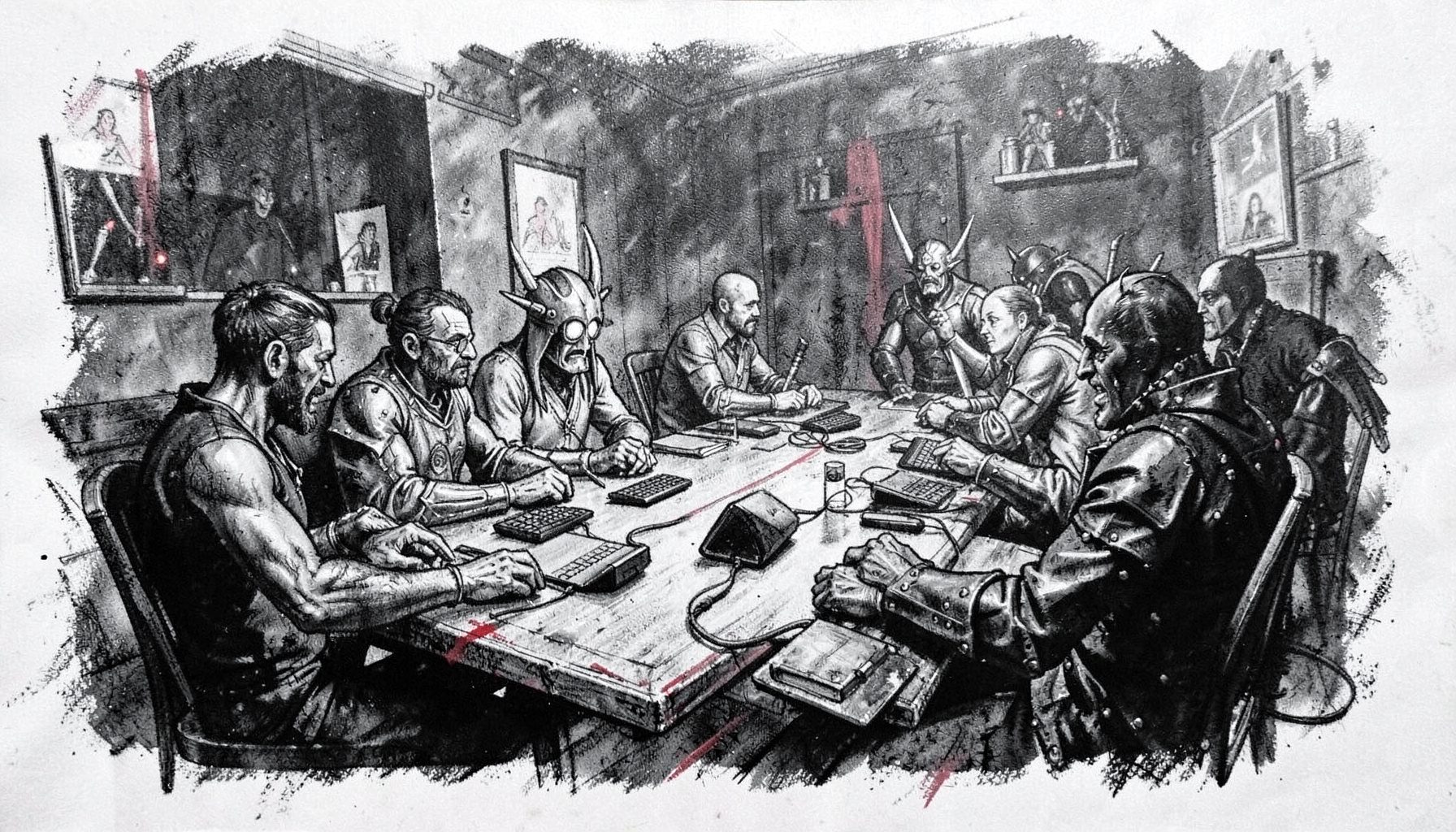
The Power of Downtime Between Convention Sessions
A gaming convention can feel like a delightful overload: character voices in the corridor, dice rolling across tables, costumes moving between rooms, and a new workshop beginning just as the last one ends. At High Level Games Convention, held at the Showboat Hotel in Atlantic City in 2018, that energy came from a mix of tabletop role-playing, LARP, design, performance, art, panels, vendors, and immersive activities.
With so much happening, the spaces between scheduled events can seem like wasted time. They are anything but. A pause gives players room to process a story, recover from social intensity, prepare for a new character, or have the unplanned conversation that becomes a highlight of the weekend.
For Australian attendees, the need for a considered break can be especially clear. Travelling from Sydney, Melbourne, Brisbane, Perth, or Adelaide to a major event often involves long flights, unfamiliar routines, and careful budgeting. The local convention market is strong but relatively compact, so a trip may combine a convention with a rare chance to meet online friends, browse specialist products, and attend several different kinds of game in one visit.
Downtime is therefore part of the convention experience rather than an interruption to it. Used well, it supports better participation, kinder social boundaries, and more memorable collaborative storytelling.
Why The Gaps Matter
A session asks for sustained attention. In a tabletop game, players track rules, character goals, plot developments, and the reactions of several people at once. A LARP adds movement, costume, emotional performance, and constant awareness of the surrounding environment. Even an escape room or design workshop can leave the mind buzzing long after the activity ends.
A short break allows those layers to settle. Players may realise why a scene mattered, remember a rule they missed, or decide how their character will respond next time. Game masters gain space to review pacing and reset materials. Performers can step out of a role before moving into another social situation.
The hotel setting also affects this recovery. Corridors, lifts, restaurants, and shared lounges create an almost continuous stream of encounters. A person can be physically still while remaining socially switched on. Finding a quieter corner, going outside for fresh air, or taking a few minutes alone in a room can restore attention more effectively than simply standing beside a noisy gaming table.
Use A Pause To Refill Your Creative Battery
Downtime does not have to mean doing nothing. It can be a low-pressure way to shift from absorbing other people’s stories to generating your own ideas. A few notes in a phone, a sketch in a notebook, or a quick voice memo can preserve a character concept before it disappears into the next event.
Useful break activities include:
- Writing down a memorable NPC, costume detail, or plot twist
- Sketching a map, monster, prop, or future player character
- Sorting dice, cards, tokens, and other gaming supplies
- Reading a short rules section without preparing a whole session
- Sharing a meal with one or two people instead of a large group
- Taking a brief walk away from the busiest convention areas
The key is to match the activity to your energy. Creative play can be restorative when it feels voluntary, but another demanding task may simply extend the mental workload. If your head is full after a three-hour game, staring at a rulebook may be less helpful than listening to music or watching the evening lights around Atlantic City.
A useful distinction is between productive downtime and restorative downtime. Productive time captures ideas and organises equipment. Restorative time reduces input. Both have a place, and neither needs to produce something impressive.
Protect The Social Side Of The Weekend
Conventions are built around connection, yet constant connection can become tiring. Some people enjoy moving from table to table and introducing themselves to strangers. Others need longer to warm up, especially after an intense session or when navigating a large event without a familiar group. Downtime makes room for different social styles.
A break can also prevent small misunderstandings from becoming larger ones. After a tense game scene, a player may need time to separate fictional conflict from personal feeling. After a busy panel, a facilitator may need a quiet reset before answering more questions. Pausing helps people return with clearer boundaries and more patience.
For Australian visitors, social expectations can vary between home and an international convention. Casual language such as “no worries” may signal reassurance in Australia, but tone and context still matter across a mixed community. A direct check-in, a clear invitation, or a simple “I’m going to grab some air” can be more useful than assuming everyone has the same communication habits.
Downtime also creates space for smaller conversations. Instead of trying to meet every designer, publisher, or performer in the exhibitor hall, a person might have one thoughtful exchange over coffee. That slower interaction is often where practical advice, creative partnerships, and lasting friendships begin.
Build A Sustainable Convention Rhythm
A packed timetable can look appealing when sessions are announced, especially when travel has made the event feel precious. Yet attending every possible activity may leave little capacity for enjoying any of them. A sustainable schedule includes deliberate gaps before fatigue makes the choice for you.
When planning a convention day, consider the intensity of each activity rather than counting sessions alone. A rules-heavy workshop, a crowded LARP, and an evening social event may require more recovery than three quiet talks. Allow extra time for queues, meals, changing clothes, finding rooms, and the occasional conversation that cannot be rushed.
Simple habits can make breaks easier to protect:
- Mark at least one unscheduled block on each full convention day
- Keep water and a practical snack in your bag
- Choose one reliable meeting point if your group separates
- Check transport and venue maps before leaving a session
- Set a realistic time to return to your accommodation
- Use a discreet signal when a group member needs to leave
Australian travellers may need to plan around long-distance transport and a different body clock. Someone arriving from Perth can be managing a substantial time difference, while a visitor from regional New South Wales may have combined driving, rail, or air travel with the convention itself. The sensible choice may be an early night rather than one more late event.
Budgeting matters as well. The Australian market has passionate communities, specialist retailers, local conventions, and major events such as PAX Aus, but travel and accommodation can make an overseas convention a significant expense. A calm afternoon in the hotel can protect the value of the trip by helping you remain engaged across the whole weekend.
Turn Rest Into Part Of The Story
A pause can deepen immersion rather than weaken it. After a LARP scene, players may use the quiet interval to consider what their character wants, what information remains hidden, and how their next decision could affect the group. After a tabletop session, the break can become an informal debrief where everyone shares the moments they found surprising or meaningful.
This reflection is especially valuable in collaborative storytelling. Games are shaped by what participants notice, remember, and bring back to the table. A player who has had time to think may return with a stronger hook for the game master, a more generous response to another character, or a new way to connect an apparently minor detail to the wider narrative.
The same principle applies to the convention community. Browsing an exhibitor hall slowly, returning to a designer’s stand after thinking about a product, or revisiting a workshop idea later in the day can produce better engagement than rushing through every table. Rest gives curiosity time to develop.
High Level Games Convention’s combination of role-play, panels, workshops, vendors, and immersive activities shows why variety needs breathing room. The best schedule is not the one with the fewest empty minutes. It is the one that leaves enough attention for people to play generously, listen carefully, and enjoy the unexpected moments that cannot be placed on a timetable.
Before your next convention day, open the schedule and mark one genuine break, then write down what you will do during it: step outside, eat away from the crowd, or spend ten quiet minutes recording the idea you most want to remember.