How to sell your art at a gaming convention
Knowing how to sell your art at a gaming convention requires treating your booth as a concise visual pitch. Tabletop role-players, live-action roleplayers, game designers, publishers and fans are all potential buyers, but they arrive with different interests and budgets. The strongest displays make it easy to identify the artwork, understand its price, imagine owning it and find the artist when the show ends.
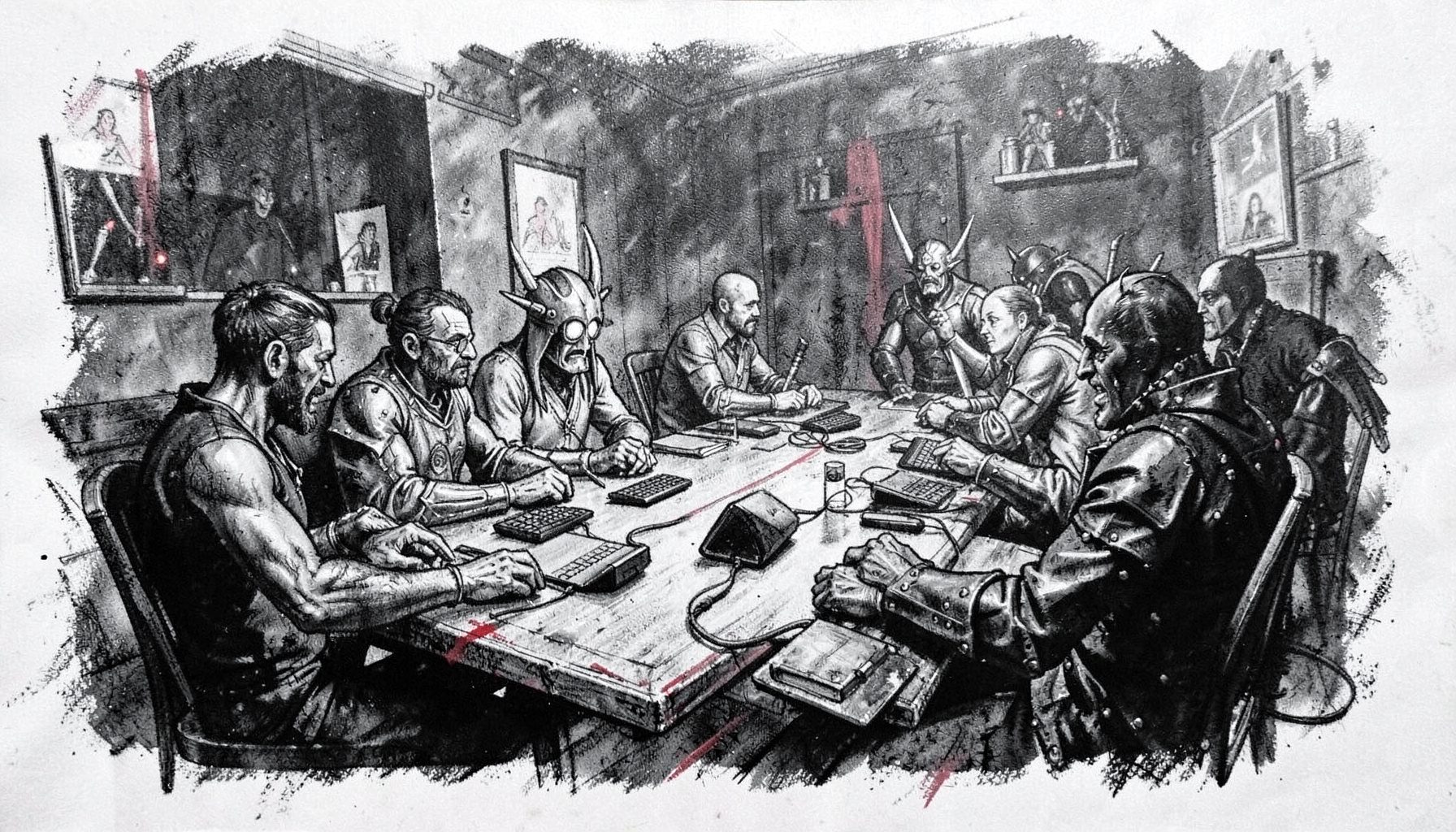
High Level Games Convention, held at the Showboat Hotel in Atlantic City in 2018, created an ideal environment for exploring this approach. The High Level Games Convention combined an exhibitor hall with LARP experiences, tabletop sessions, panels, workshops and escape rooms. That mixture encouraged exhibitors to sell through storytelling and participation rather than relying on a conventional retail display alone.
| Selling format | What attendees receive | Useful booth display | Commercial strength |
|---|---|---|---|
| Fine-art print | Collectible wall art at an accessible price | Framed sample, artist story and print sizes | Strong for impulse purchases |
| Original artwork | A unique, one-of-a-piece investment | Secure display, close-up details and provenance | Higher value, fewer sales |
| Themed print bundle | A coordinated group of related images | Wall arrangement and numbered tiers | Raises the average order |
| Commission | A custom character or scene | Finished examples and a clear process | Builds future revenue |
| Digital download | Printable or screen-based artwork | QR-linked gallery and instant delivery | Low stock costs and wide reach |
Read the convention audience
HLGCon’s variety of activities meant that visitors could be fantasy role-players, live-action storytellers, board-game fans, cosplayers, artists or industry professionals. An exhibitor selling epic battle scenes might appeal to the first two groups, while clean character portraits could attract tabletop players, cosplayers and game designers. Look at the programme and identify which themes have the strongest turnout rather than displaying every style equally.
Authenticity also matters. Attendees often notice whether an artist has created the world they are presenting. Include a short note about the character, setting or mechanical idea behind each featured piece, but avoid treating the explanation as a lecture. Original world-building usually creates more trust than fan work based on protected franchises unless you have the relevant rights. Never imply official approval by a game publisher if no licence exists.
Australian events attract different mixes depending on the city. PAX Aus in Melbourne draws heavily from the tabletop and indie-game scene, while Sydney’s Supanova combines gaming with broader pop culture. Brisbane has a strong and growing tabletop community, although attendance may be smaller than in the capital cities. Australian artists can use these differences to test a specific product range at each event instead of buying a large, generic display inventory.
Prepare a focused booth and sales setup
A crowded booth can make valuable work look inexpensive, while an overly polished display may feel impersonal. Use one large image to establish your style, place your strongest products at eye level and keep secondary work within a few steps. Signage should include the artist’s name, website and a short statement of what you create. Attendees should understand the offer before they begin browsing price cards.
Before the doors open
- Confirm your exhibitor placement, access times and rules for selling original artwork.
- Select one hero image and a small range of products with clear price differences.
- Print prices in Australian dollars and state whether GST is included where applicable.
- Create a QR code linking to a mobile gallery, shop or mailing-list page.
- Test contactless EFTPOS, bank-transfer and cash options, and secure the payment equipment.
During each trading break
- Greet visitors briefly and let the artwork start the conversation.
- Keep original pieces protected while allowing people to inspect prints and photographs.
- Offer a reserved purchase slip when a customer needs time to decide.
- Bundle related prints or commissions rather than lowering prices automatically.
- Record interest, contact details and promised follow-ups while details are fresh.
Avoid filling every surface with stock. A focused selection gives customers confidence that you understand your own work, and it makes restocking easier between crowded sessions. If commissions are available, display the price range and expected delivery period rather than only “DM me”. Visitors are more likely to enquire when the process, payment schedule and timeframe are visible.
Set prices for the Australian market
Australian customers generally expect prices in AUD, and consumer-facing prices should be straightforward about GST where it applies. If you are registered for GST, tax-inclusive pricing usually creates less confusion at the booth. If you are not registered, check your own obligations rather than copying tax language from another artist. Clear signs also prevent a stressful explanation when someone wants to buy several items.
Create a simple ladder with an accessible entry point, a desirable middle option and a premium version. For example, a smaller print could introduce the artist, a signed larger print could offer the main reward, and an original or framed piece could represent the premium sale. This structure supports attendees with different budgets without making the cheapest item look like the artist’s best work.
For artists serving international buyers, explain the customs position before payment. Imported prints or original works may attract duty, GST and carrier fees depending on their value, origin and the destination country. State that overseas buyers may owe import charges and avoid promising an exact landed cost that the carrier has not confirmed. Australian buyers may also need extra time for interstate freight, so quote a realistic dispatch window.
Turn live programming into sales opportunities
The most memorable booths at a gaming convention often benefit from the activity around them. A live sketch can attract people away from a crowded hall, while a demonstration of a print-making or digital illustration process lets attendees see how the work was made. Coordinate with panel and workshop organisers where possible, but avoid interrupting scheduled sessions or turning every interaction into a sales pitch.
Collaborative storytelling can also generate leads. Offer small “convention-exclusive” pieces inspired by a game setting, a panel theme or a shared convention prompt. A tabletop publisher may need cover art, character portraits or promotional art; a LARP group may want maps, faction symbols or costume illustrations. Bring a concise portfolio showing range, delivery methods and licensing expectations so that creative conversations can become professional opportunities.
For a practical companion on stretching a limited marketing budget, read the HLGCon review on affordable convention marketing. Its emphasis on direct, low-cost communication fits the Australian convention market, where a focused social campaign, email reminder and well-placed sign can often outperform expensive print advertising.
Build a campaign around the event
Promotion should begin before badges open and continue after the exhibition hall closes. Share the hero artwork, booth location and a genuine reason to visit rather than posting a generic “at a convention now” update. Instagram, Facebook and niche art communities can reach Australian followers, while Discord groups and convention forums help you reach players who may not follow a traditional art account. Let people know which works are exclusive and whether pre-orders will be available for collection.
During the show, use your backdrop and product tags as parts of the same campaign. Repeat the website and social handles across price cards, receipts and packaging. If visitors can join a mailing list, explain how their details will be used and offer an immediate benefit such as a convention discount or early access to new releases. Australian buyers are comfortable with digital payments, but an email address gives you another route when a sale needs follow-up.
After packing up, contact recorded leads promptly. Send the promised images, confirm payment or commission details and provide a realistic shipping estimate. Ask for permission before adding buyers to a newsletter, and follow the Privacy Act when collecting contact information. Track which products attracted attention, how many conversations became purchases and which promotions produced booth visits. Those figures reveal whether the next event needs more original work, lower-priced prints or stronger pre-show promotion.
Make the next convention measurable
Treat each event as a controlled test of your products, display and sales process rather than judging success only by total takings on the final day. Record foot traffic, meaningful conversations, conversion rate, average order value and sell-through by product type. Separate impulse purchases from commission enquiries, and note any requests for themes that your current catalogue does not cover. This evidence helps prevent the common mistake of printing more stock simply because one design looked popular at the booth.
Prepare for the next show by following through on every reserved sale and commission request before committing to new inventory. Archive a small number of the best-selling works, update prices for the new market and refine the short artist story used on signage. A modest budget can then be directed towards the booth improvements or products supported by actual sales data.
As the concrete next step, select one artwork today, set its AUD price with GST handled correctly and place it beside a mock booth with one finished sample.