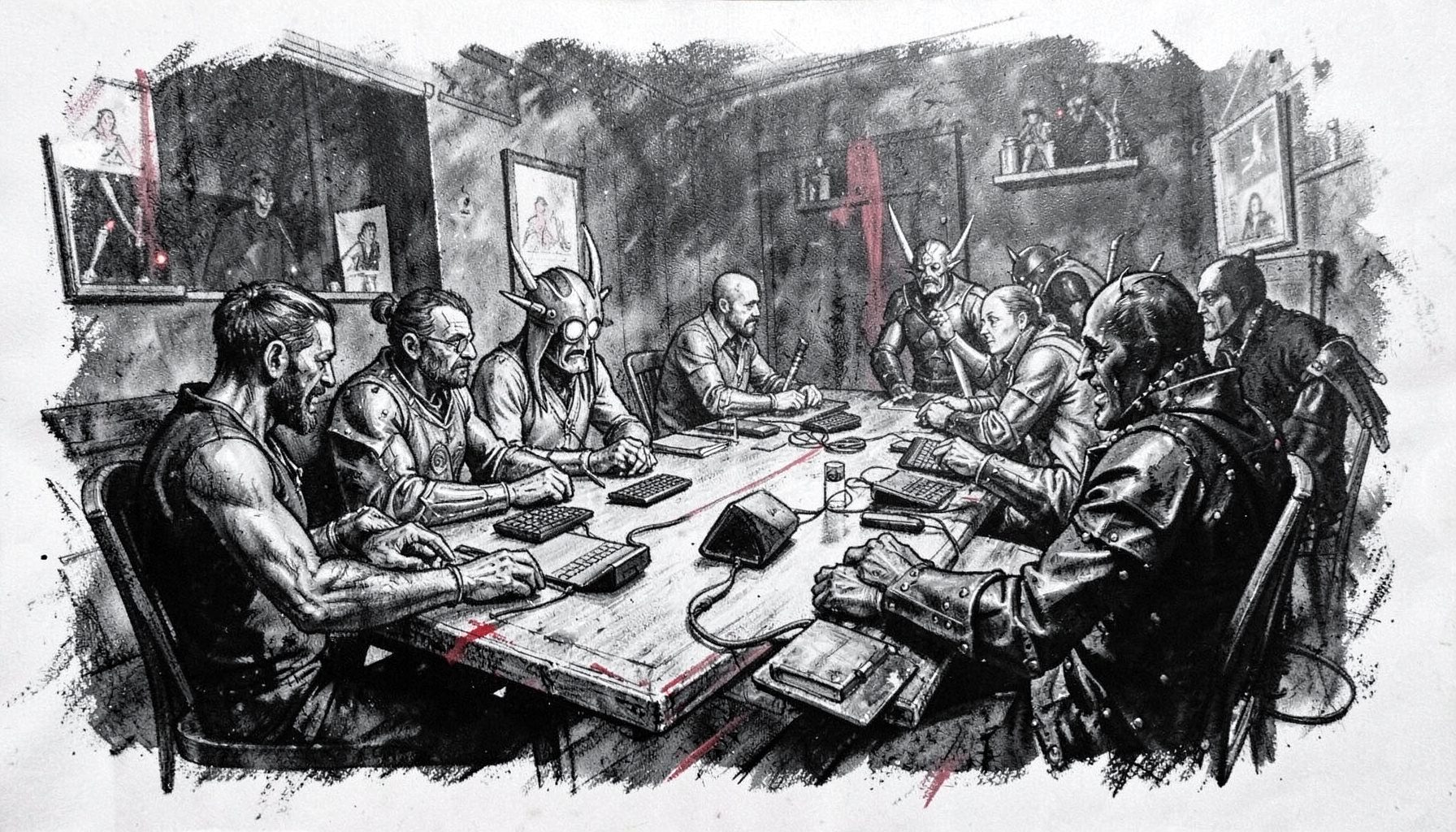
The Art of the GM: Handling Player Disputes at the Table
A game master manages far more than rules, initiative order and non-player characters. They also shape the social environment where a group makes decisions, shares attention and reacts to failure. When players disagree, the GM’s task is to protect the game without turning the table into a courtroom.
Disputes can arise from a rules interpretation, an interrupted player, a character conflict that becomes personal, or a mismatch between the group’s expectations. The same principles apply across a home game in Melbourne, a convention session in Sydney, or an immersive LARP weekend in Brisbane: slow the moment down, identify the actual problem and help the players return to shared storytelling.
Spot The Difference Between Conflict And Drama
Not every argument is a problem. Characters can threaten one another, rival factions can clash and players can enthusiastically debate a tactical choice. Healthy fictional tension creates energy. A dispute becomes a table-management issue when someone feels ignored, targeted, unsafe or unable to participate on equal terms.
Watch for changes in behaviour rather than relying only on raised voices. A player who goes quiet after being interrupted may be as uncomfortable as someone openly objecting. Repeated jokes at one person’s expense, rules debates that always favour the same character, or a player routinely losing their turn can reveal a deeper issue.
Ask yourself what kind of disagreement is happening. A factual dispute needs clarification. A preference clash needs negotiation. A personal conflict needs boundaries. Confusing these categories leads to poor interventions: quoting the rulebook will not repair a damaged relationship, and asking everyone to “just get along” will not resolve a recurring pattern.
Establish A Shared Table Agreement
The strongest time to manage conflict is before the first disagreement. A short session-zero conversation can cover tone, themes, spotlight balance, character conflict, rules authority and how players may pause uncomfortable content. It does not need to feel corporate or formal. In Australian groups, a plain statement such as “Let’s keep character arguments in character and check in if it stops being fun, mate” can establish a useful standard.
A table agreement should explain how rulings work during play. The GM might make a temporary call, record the question and revisit it during a break. This prevents five minutes of page-flipping from becoming a competition over who knows the system best. It also distinguishes a ruling from a permanent change to the rules.
Convention organisers and event GMs need extra care because players may not know one another. At a busy venue such as a hotel gaming room, noise and unfamiliar social cues can intensify misunderstandings. State practical boundaries clearly: no harassment, no unwanted physical contact, respect for names and pronouns, and a private way to report concerns. Clear expectations make later intervention feel consistent rather than personal.
Pause The Scene Without Punishing Players
When tension rises, use a calm interruption. “Let’s pause for a second” is usually more effective than declaring that someone is being disruptive. The aim is to create breathing room without publicly labelling a player as the problem. Invite each person to describe what they expected to happen, keeping the conversation focused on actions and impact.
A useful sequence is: restate the situation, hear the competing views, identify the immediate decision and defer any wider discussion. For example, if two players disagree about whether one character can steal from another, the GM can say that the attempted theft will pause, hear both interpretations and make a temporary ruling. The group can then continue while the larger issue is discussed at the end of the session.
This approach reflects the collaborative spirit found at events such as the High Level Games Convention, where tabletop sessions, workshops, panels and immersive activities bring together people with different play styles. A GM does not need to eliminate disagreement. They need to keep disagreement from consuming the experience for everyone else.
Use neutral language and avoid sarcasm, even when a dispute seems trivial. “I heard you say the ruling feels unfair” is more productive than “You’re taking this too seriously.” The first statement opens a path to resolution; the second invites the player to defend their character and pride.
Resolve Rules Arguments With A Fair Process
Rules disputes are common because systems contain ambiguous wording, edge cases and interactions that designers may never have anticipated. Decide in advance who has final authority during the session. Then make rulings promptly, explain the reasoning briefly and note anything that requires later research.
A fair GM also knows when to reverse a decision. Changing a ruling after discovering a missed rule is not weakness, provided the change is explained and applied consistently. If a mistake benefited one character, consider whether correcting it immediately would create a second unfairness. Sometimes the best choice is to keep the result for the current scene and apply the accurate rule from the next session.
Australian groups often play across a mix of local clubs, private homes, online platforms and conventions such as PAX Aus. Different communities may bring different assumptions about rules knowledge, homebrew and competitive play. A player travelling from Adelaide to a Sydney event may be used to a different table culture, while a new participant may have learned through actual-play streams rather than a regular campaign.
When the issue concerns consent rather than mechanics, use a firmer standard. A player does not need to justify discomfort in detail. Safety tools such as lines and veils, an X-card, an open-door policy or a private check-in can help, but they work only when the GM responds without embarrassment or interrogation. In LARP settings, physical proximity and emotional immersion make this especially important. For an example of a setting built around heightened participation, the Pandaemonium LARP experience shows why organisers must distinguish dramatic intensity from pressure placed on real people.
Build A Table Culture That Recovers
After a dispute, do not assume that returning to the adventure means the matter is finished. A short debrief can reveal whether the resolution worked. Ask what should happen differently next time, not who was at fault. Keep the discussion specific, and avoid forcing an apology before people have had time to settle.
If one player repeatedly dominates, interrupt them constructively and redistribute attention. If two characters are locked in an exhausting rivalry, speak privately with both players and agree on limits. Character conflict should produce interesting choices, not make one person dread every scene involving another character.
A GM can also design for fewer flashpoints. Give players different ways to contribute, clarify objectives, avoid hidden information that creates needless suspicion and provide breaks during long sessions. In a convention environment, schedule pressure, crowded rooms and expensive event tickets can make a small disagreement feel larger. A five-minute pause can protect the rest of the session and preserve goodwill.
Practical Habits For Calmer Sessions
- Agree on tone, boundaries, safety tools and rules authority before play begins.
- Pause heated exchanges early, using neutral language rather than blame.
- Separate fictional conflict from personal criticism and name the difference aloud.
- Make temporary rulings quickly, then revisit complex questions away from the active scene.
- Check in privately with anyone who appears withdrawn, frustrated or repeatedly interrupted.
- Record recurring issues and update the group’s expectations between sessions.
- End difficult sessions with a brief debrief focused on future play.
The GM’s authority works best when it is predictable, proportionate and directed towards participation. A good ruling settles the immediate question, while a good intervention restores trust. Whether the group is rolling dice in a suburban lounge room, sharing a convention table in Melbourne or performing an intense LARP scene, the practical takeaway is simple: pause early, listen carefully, decide fairly and return the spotlight to collaborative play.