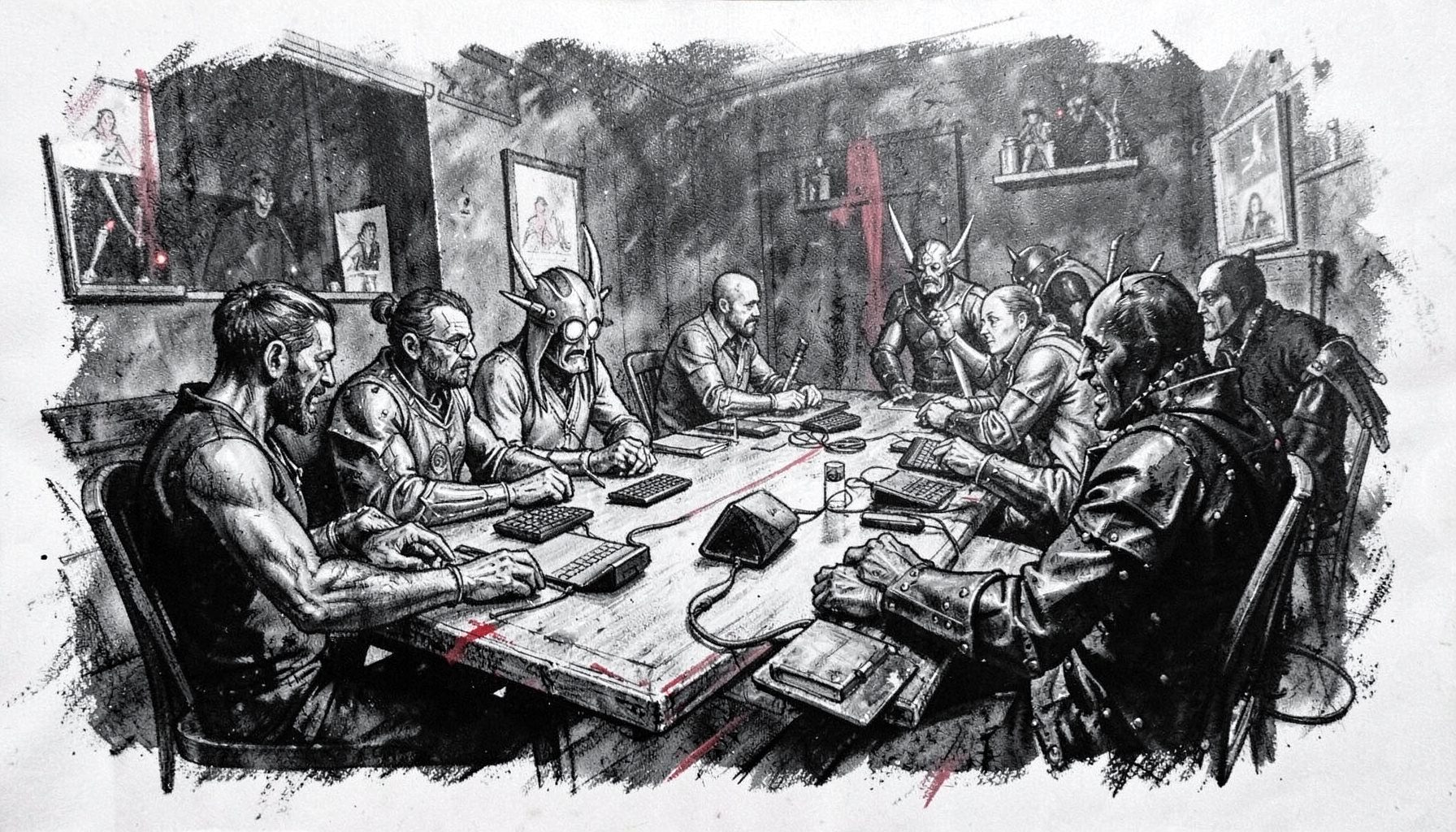
Comparing LARP Styles at HLGCon: Theater Performance and Boffer Combat
The 2018 High Level Games Convention turned the Showboat Hotel in Atlantic City into a destination for live-action role-players seeking two very different experiences under one roof. Theater-style LARP and boffer combat represent distinct philosophies within the hobby, each with its own gear requirements, safety protocols, and community rhythms. Choosing between them often depends on whether players prefer the spoken word or the swung sword as their primary form of expression.
Australian players have long embraced both styles, with active LARP communities in Melbourne, Sydney, Brisbane, and Perth running weekend campaigns throughout the year. Many gamers from Down Under travel to international events like HLGCon to meet new collaborators and test their skills against overseas opponents. The choice between theater and boffer frequently comes down to personal taste, physical comfort, and the type of immersion each player values most.
This comparison explores the mechanics, costuming, safety considerations, and social environments of both LARP styles as they appeared at the 2018 convention. Readers will find practical guidance for selecting their path, whether they are stepping into a foam sword arena for the first time or rehearsing a dramatic monologue for a character introduction.
Philosophical roots and player expectations
Theater-style LARP draws heavily from improvisational theater and dramatic literature, placing dialogue and emotional truth at the centre of every scene. Players craft characters with detailed backstories and rely on conversation to resolve disputes, negotiate alliances, or betray trusted companions. The focus remains on what is said rather than what is swung, making it appealing to those who enjoy mental challenges over physical exertion. At HLGCon, theater sessions often occupied quieter hotel meeting rooms transformed into drawing rooms, alien spacecraft, or fantasy taverns.
Boffer combat descends from the skirmish games and fantasy battlefields of the late twentieth century. Participants wield padded weapons and wear light armour, resolving conflicts through choreographed strikes and tactical manoeuvres. The physical release appeals to players who enjoy sport and kinesthetic problem-solving, and the style has deep roots in both American and Australian gaming history. At the New Jersey convention, boffer battles unfolded in larger halls where participants could swing safely without endangering hotel property.
Combat mechanics, safety, and gear considerations
Boffer combat requires specific equipment to keep players safe during fast-paced melees. Weapons feature flexible shafts wrapped in closed-cell foam, designed to flex on impact without causing injury. Participants wear eye protection, gloves, and often additional padding for elbows, knees, and shins. At HLGCon, the boffer arena enforced strict call-out rules, requiring players to acknowledge hits honestly and call "hold" whenever safety became a concern. New participants were encouraged to inspect borrowed gear before stepping onto the field.
Theater-style LARP rarely involves physical contact, relying instead on symbolic gestures or carefully choreographed slow-motion sequences when conflict arises. Safety in this format revolves around emotional boundaries, with players using phrases like "off-stage" or "fade to black" to signal discomfort. Some theater games incorporate light touch protocols, but most prioritise verbal communication over melee. The convention's safety officers offered briefings for both styles, ensuring newcomers understood the norms before joining their first scene. New players should review the no spoilers style guide before their first session to understand the expected behaviours and etiquette.
Character depth and narrative immersion
Theater-style games reward players who invest in character psychology, backstory, and dramatic objectives. Sessions resemble rehearsals for short films, with participants delivering monologues, negotiating treaties, or confronting personal tragedies through play. At HLGCon, theater facilitators often drew from published modules that encouraged emotional stakes and complex relationships. Australian drama graduates and improv veterans from Sydney and Melbourne frequently find this style aligns with their training, making it a natural fit for performers visiting the convention.
Boffer combat emphasises character through action rather than words, with players expressing their personas through fighting styles, signature moves, and tactical choices on the battlefield. A cunning rogue might use feints and retreats, while a noble paladin could lead charges with honour and courage. The narrative emerges from the outcomes of combat and the alliances formed between battles. Many Australian players enjoy the blend of physical theatre and strategic planning, bringing skills from local martial arts like HEMA into their character work at boffer events.
Costuming, props, and environmental design
Costuming differs dramatically between the two styles, reflecting their different priorities. Theater-style players often invest in detailed period clothing, makeup, and props that reinforce the dramatic setting of their scenes. At HLGCon, theater attendees arrived in everything from Victorian gowns to futuristic flight suits, using outfits to signal character status and emotional state. The visual immersion helped overcome the lack of combat, grounding players in the imagined world through texture and colour.
Boffer combat prioritises functional gear that allows freedom of movement and guards against impacts. Players typically wear athletic clothing under light armour, carry foam weapons, and minimise loose fabrics that could snag or catch. Costuming still matters, but it serves the combat rather than the drama. The convention's vendor hall offered everything from custom foam smiths to theatrical costume retailers, ensuring players could find appropriate attire for either track. Among the varied exhibitors, attendees could also find reviews of leisure activities like the casino welcome bonus guide for those interested in Atlantic City's broader gaming and hospitality scene.
Community, collaboration, and crossover appeal
Both LARP styles foster strong communities built on collaborative creativity, though the social dynamics differ. Theater games tend to attract writers, actors, and narrative designers who enjoy dissecting character motivations after sessions. Boffer communities often include athletes, martial artists, and tacticians who bond through shared training and friendly competition. At HLGCon, crossover sessions allowed players to experience both, with theater groups running light combat drills and boffer groups hosting narrative tournaments.
The convention also featured an exhibitor hall where vendors sold games, props, and related entertainment, alongside panels discussing Australian conventions like Supernova in Melbourne and PAX Australia, which also runs in Melbourne. This wide event variety meant players could explore both LARP styles and other gaming interests during the same weekend, making HLGCon a versatile destination for Australians planning a gaming-focused holiday. The event thrives thanks to community backing, and attendees can contribute to future programming by visiting the HLGCon sponsor page online.
Practical advice for first-time LARPers
- Pack layered clothing that works for both indoor theater sessions and physically active boffer rounds.
- Bring a basic first-aid kit and personal medications, as both styles can lead to minor scrapes or fatigue.
- Try at least one session outside your comfort zone, whether that means picking up a boffer sword or writing a dramatic monologue.
- Connect with Australian LARP groups before and after the convention to continue campaigns back home in Adelaide or Hobart.
- Exchange contact details with players from other regions to organise future crossover games.
- Hydrate frequently and pace yourself, as convention schedules often run from breakfast until late evening.
- Respect the immersion of others by keeping mobile phones on silent and avoiding out-of-character chatter during scenes.
For Australian travelers, combining a trip to HLGCon with a visit to other East Coast gaming events can maximise the value of long-haul flights. Many participants add extra days to explore Atlantic City's boardwalk or take the train to nearby Philadelphia, turning the convention into a broader holiday experience. The skills and friendships built at HLGCon often translate directly back to home groups, whether players run theater campaigns in Brisbane or boffer tournaments in Hobart. By approaching both styles with curiosity and respect, participants can discover which form of live-action storytelling resonates with their creative spirit while building connections that last well beyond the closing ceremony.