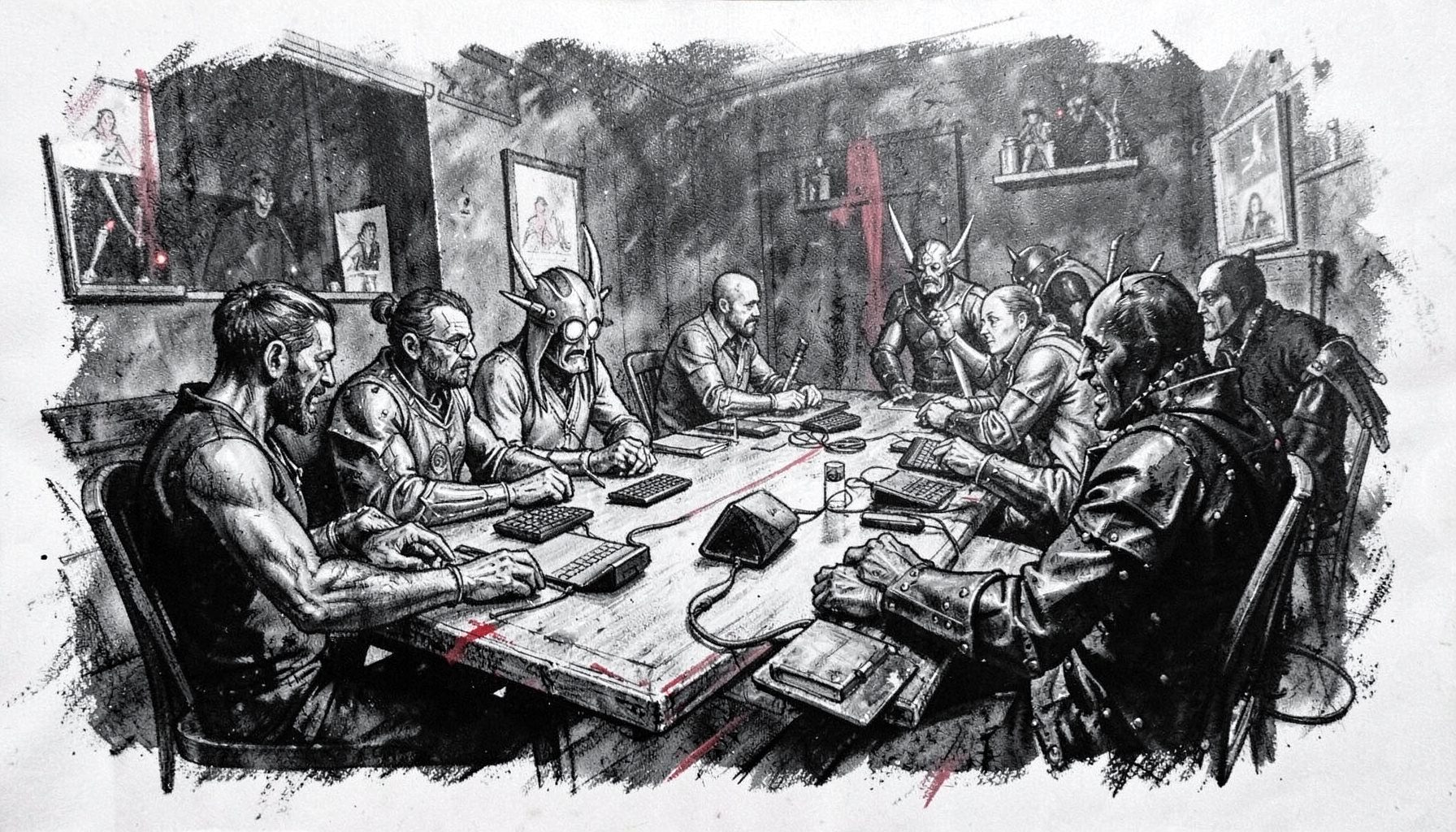
How to Run a Successful Workshop at a Gaming Convention
A gaming convention workshop gives attendees something more valuable than a passive hour in a room. It lets them make decisions, test ideas and leave with a story they helped create. Whether the subject is tabletop RPG design, LARP costuming, worldbuilding or collaborative storytelling, the best sessions feel active from the first few minutes.
High Level Games Convention demonstrated why this format suits a mixed gaming audience. At the Showboat Hotel in Atlantic City, participants could move between role-playing sessions, panels, an exhibitor hall, escape rooms and immersive activities. A workshop therefore needed a clear identity while still welcoming people with different experience levels.
For an Australian presenter, the same principles apply at events in Melbourne, Sydney, Brisbane or Adelaide. Attendees may have travelled several hours, paid in Australian dollars for tickets and accommodation, or planned the session around public transport and a packed convention timetable. A well-prepared facilitator respects that investment by making every minute purposeful.
Define The Experience Before Building It
Start with one practical outcome. By the end of the session, should participants have created a playable character, solved a design problem, planned a LARP scene or learned a particular rules technique? A workshop that promises “an introduction to campaign design” is broad; one that promises “a usable three-session campaign outline” gives people a clear reason to attend.
Write the outcome as something participants can do rather than something the presenter will explain. This distinction changes the entire structure. A 90-minute workshop might include a short demonstration, two guided activities, peer feedback and a final share-back. The explanation supports the activity instead of replacing it.
Match the difficulty to the advertised audience. A beginner session should define jargon and provide examples, while an advanced design lab can assume familiarity with systems, safety tools or improvisation. If the session welcomes all levels, create optional extensions so experienced players can go deeper without making newcomers feel behind.
Build A Hands-On Format
A useful convention workshop usually alternates between short instruction and participation. Speaking for 30 uninterrupted minutes can feel like a panel, even when the subject is practical. Aim for concise teaching blocks followed by an activity that immediately uses the idea. For example, explain a safety framework for five minutes, then let small groups apply it to a fictional LARP scenario.
Give every activity a visible time limit and a defined deliverable. “Discuss your setting” may produce silence, while “create one location, one conflict and one secret in eight minutes” creates momentum. Display the prompt on a slide or handout, repeat it aloud and announce halfway and final-minute warnings.
Build in more than one way to participate. Some attendees enjoy performing, while others prefer writing, drawing, rules analysis or quiet observation before contributing. A character-creation workshop can offer spoken brainstorming, index-card prompts and a silent option for developing ideas. For presenters travelling from Australia, the packing guide is a useful reminder that portable, low-tech materials are often more reliable than elaborate equipment.
Prepare The Room And Materials
Room design affects behaviour. Arrange tables so groups can see one another, leave clear paths for mobility devices and avoid placing the presenter behind a barrier. If the venue provides fixed seating, adapt with paired discussions, aisle activities or large visual prompts. Check whether the room has enough lighting for writing, a working microphone and a surface where examples can be displayed.
Bring materials that survive a busy convention floor: thick markers, sticky notes, pens, spare paper, timer cards and printed instructions. Pack backups for essential digital content, including a downloaded slide deck and offline copies of reference files. If your session connects with products or independent creators, coordinate early with the exhibitor hall so demonstrations do not compete with vendor traffic or breach licensing expectations.
Keep handouts focused. A single-page worksheet with headings, examples and a final checklist is often more useful than a dense booklet. Include accessible type size, strong contrast and enough space for handwriting. Digital copies can help attendees who prefer to work on a tablet, but never make an internet connection essential.
Fit The Workshop Into Convention Life
Convention attendees make choices quickly. Your title, description and presenter biography should communicate the activity, audience and result in plain language. “Build a Haunted Harbour in 75 Minutes” is more inviting than “Advanced Narrative Techniques”. Mention whether participants need prior experience, whether materials are supplied and whether the session involves performance, movement or mature themes.
Study the wider programme before selecting your content. The full schedule can reveal clashes with major games, headline panels, LARP blocks or meal breaks. A highly interactive workshop may work better away from a noisy live event. If you cannot control the timeslot, design a flexible arrival period so latecomers can join without forcing the facilitator to restart.
Allow for convention realities in Australia as well. A Sydney event may have attendees arriving from regional New South Wales, while a Melbourne convention can draw people balancing trams, changing weather and crowded venues. Sessions scheduled around lunch should include a natural pause, and evening workshops should not rely on participants having unlimited energy after a full day of gaming.
Create A Welcoming Facilitation Style
Set the social contract at the beginning. Explain how people will take turns, how feedback should be framed and what participants can do if a topic becomes uncomfortable. For role-playing activities, state content boundaries and safety tools before play begins rather than waiting for a problem. This creates confidence without turning the opening into a long list of warnings.
Use names when people offer them, but do not require introductions from everyone. Invite contributions from the whole room by allowing written ideas before discussion and by asking groups to appoint different speakers for different activities. Watch for people being interrupted, talked over or left without a role. A facilitator can correct this lightly: “Let’s hear one idea from someone who has not spoken yet.”
Inclusive practice should reflect the local gaming community, including First Nations participants, LGBTQIA+ attendees, people with disability and players who are new to organised events. Avoid treating one person as a representative of an entire community. Use examples from varied genres and cultures, explain references that may be unfamiliar and offer alternatives to activities involving physical contact, loud performance or rapid movement.
Feedback should be specific and useful. Ask participants which activity helped them make progress, where instructions became unclear and what they would change in a future session. A simple exit slip with three prompts can reveal more than general applause. If the convention provides evaluation forms, align your questions with the organiser’s process while keeping your own notes.
Review The Session And Carry It Forward
After the workshop, record what happened while details are fresh. Note the actual number of attendees, where the timetable slipped, which materials ran out and which prompt produced the strongest discussion. Separate problems caused by the room or schedule from problems in your content. This makes revision practical rather than self-critical.
A short comparison can help you choose the right format for your subject and audience:
| Workshop Format | Best For | Main Strength | Common Risk |
|---|---|---|---|
| Guided Design Lab | Worldbuilding, campaign planning and game mechanics | Produces a concrete artefact | Groups may need different difficulty levels |
| Demonstration And Practice | Rules, terrain, props and digital tools | Shows technique clearly | Passive viewing can take over |
| Scenario-Based Roleplay | LARP, safety training and social problem-solving | Creates memorable learning | Sensitive content needs careful framing |
| Rotating Activity Stations | Large mixed-interest audiences | Keeps energy and choice high | Requires more room and materials |
| Peer Critique Circle | Experienced designers and facilitators | Builds useful feedback skills | Newcomers may feel exposed |
Share a concise follow-up resource when appropriate: a worksheet, reference list, example scenario or summary of participant-created ideas. Credit contributors if their work is published, and obtain permission before photographing or distributing creations. For Australian designers, this can also become a bridge to local playtesting groups, independent publishers and convention communities between major events.
The immediate next step is to write a one-sentence participant outcome, then sketch a timed agenda that gives attendees something concrete to make within the first fifteen minutes.