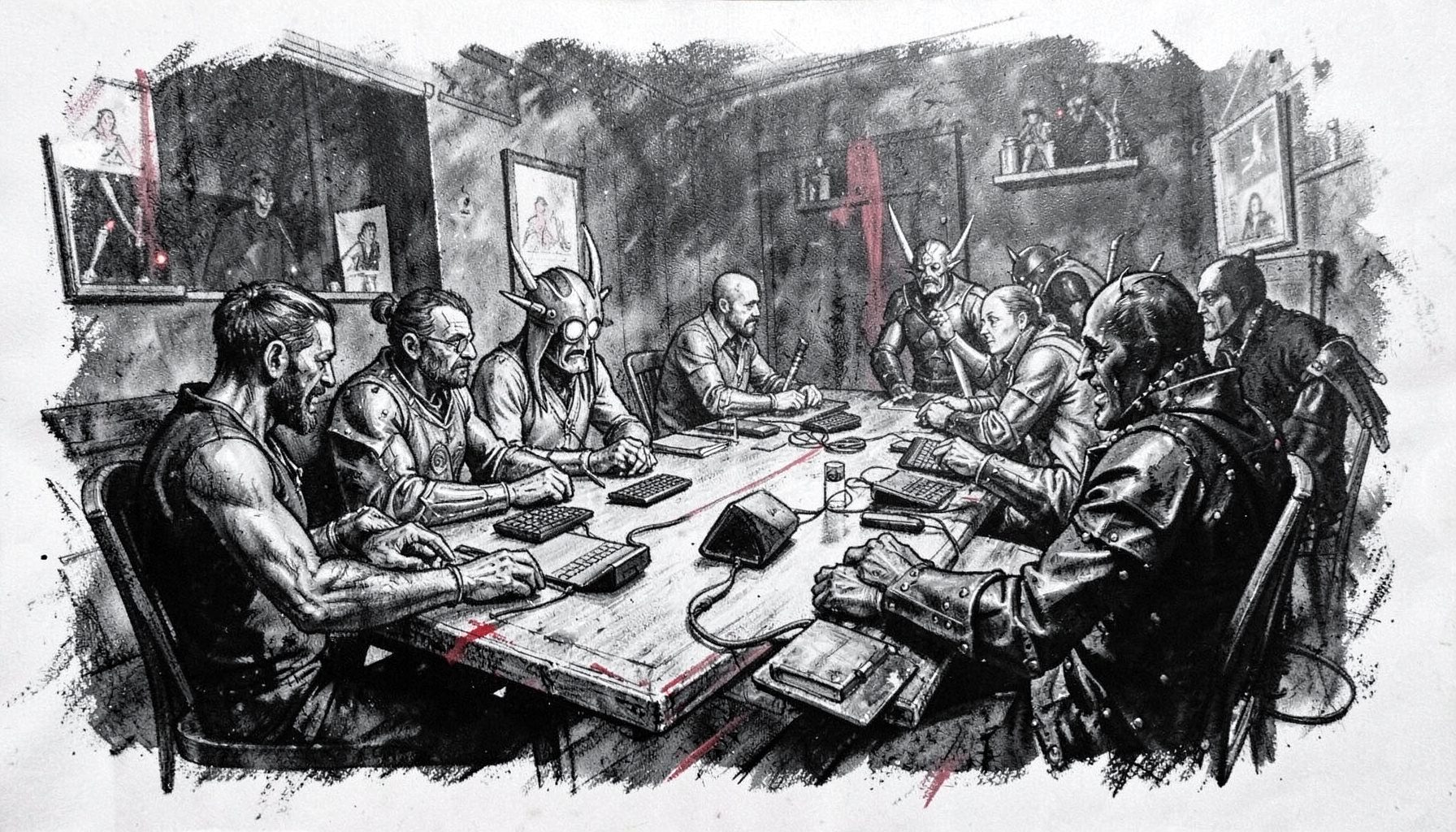
Step inside the escape room challenges at HLGCon
A timer starts counting. A metal door slams shut. Ahead, a lock waits to be picked. The escape room experiences at High Level Games Convention, held at the Showboat Hotel in Atlantic City in 2018, were built to deliver that jolt: a sudden slide into another world where every object might be a clue.
The convention grew out of a community that loved role-playing games, live-action storytelling, and hands-on adventure. Inside its escape room track, designers leaned into that heritage, weaving narrative arcs and theatrical set dressing into puzzles rather than relying on locks alone. For anyone who has queued for a weekend slot in Sydney or Melbourne, the HLGCon lineup offered something both familiar and unexpectedly staged.
Story hooks that pull you straight into the room
Every room at the convention began with a clear premise, treated like the opening scene of a film. Players were rarely dropped in without context; a prologue, recorded transmission, or live actor set the stakes before the first clue appeared. That approach mirrored what Australian players expect from premium operators in places like Surry Hills or Brunswick, where narrative framing is now baseline.
Several rooms leaned into genres familiar to tabletop role-players. One centrepiece was Detention Breakout, a school-themed scenario where participants outsmarted a warden figure and decoded locker combinations to win their freedom. Designers borrowed visual cues from teen thrillers, but the puzzle logic stayed grounded in observation rather than reflex.
Other rooms tilted toward gothic horror, sci-fi heists, and occult mysteries. Each ran roughly 45 minutes, though players who used the optional hint system often finished in 30. The variation let groups pick a flavour matching their collective temperament, useful when a team mixed newcomers with veterans from across the Pacific.
Pacing, puzzles, and the curve of difficulty
Designers built their rooms with a gentle ramp. Early tasks were accessible enough that any participant could contribute something. Later puzzles demanded collaboration between people who had stayed quiet for the first ten minutes, forcing in-character problem solving that mirrored the best moments of a tabletop campaign. The arc was deliberate, letting groups find rhythm rather than scramble from minute one.
Difficulty sat in a middle band. Compared with harder rooms in Brisbane's competitive escape scene, where leaderboard times under 30 minutes are common, HLGCon's puzzles erred toward accessibility. Hints arrived through a screen rather than a live game master, keeping immersion intact while removing the awkwardness of a costumed character breaking character.
A few rooms layered in live performers. One sci-fi scenario included a malfunctioning "android" actor who responded to specific keywords, rewarding players who listened carefully earlier. These flourishes felt like narrative extensions, making the room read like a playable short story rather than a puzzle box.
Set design, props, and sensory detail
Construction quality surprised many first-time attendees. Walls were built, not mocked up. Lighting cues shifted between scenes, drawing eyes toward objects that had blended into the background. Sound design was especially effective: ambient hums, distant footsteps, the click of a camera shutter. For a visitor used to budget-conscious Australian operations where a venue might reuse the same set pieces across multiple games, these sets felt closer to theme-park installations.
Props were tactile. Combination locks gave way to weighted latches, pressure plates, and occasionally a chain requiring two people working in sync. The design team drew on materials from stage productions, so some rooms used fog machines, controllable UV light, or rigged panels that lifted to reveal hidden compartments. Players who overlook environmental detail learned quickly that the entire room was part of the puzzle.
Costumes and makeup added another layer. Performers committed to their roles, with makeup that survived stage lighting and clothing that allowed movement. That investment raised expectations: once you've seen a fully painted cinematic set, the average suburban venue feels a little flat.
Playing with others and honouring the story
Rooms were designed for groups of four to eight players, though some scenarios scaled down for pairs. The convention's broader ethos of inclusive participation showed in how rooms handled re-entry, hint usage, and even failure. Most rooms did not punish groups for using all their hints; the timer adjusted, and the experience continued. That flexibility reflected a value also seen in Australian LARP circles, where story continuity matters more than a clean win-loss record.
The shared nature of the activity made etiquette essential. The convention published guidance to keep spoilers contained, discouraging walkthroughs and hint videos before other groups had a chance to play. Reading the no-spoilers style guide before arriving was a small step that protected the experience for thousands of future visitors.
Group composition changed the experience significantly. A team of puzzle enthusiasts burned through logic gates in minutes, while a party of improvisers might argue in character for the final minutes. The best sessions blended skill sets: a reader, a visualiser, a listener, and someone willing to lift heavy props when a puzzle required it.
Booking, timing, and travel realities
Slots were capped per room per session, and the most popular scenarios filled quickly. The full schedule, room descriptions, and slot availability were listed on the convention event page, which attendees were urged to check before walking the convention floor. Walking up on the day was risky for marquee rooms, especially the headline narrative experiences that ran limited blocks.
Travelling from Australia required planning. Atlantic City sits in the Eastern Time zone, 14 to 17 hours behind the eastern states depending on daylight saving. Most Australians flew into Newark or Philadelphia, then connected by shuttle, arriving the day before registration opened. Jet lag was a real concern; players who booked escape slots on arrival morning often performed below their usual standard because their bodies insisted it was the middle of the night.
Currency exchange, mobile roaming, and tipping customs differed as well. The Australian dollar stretched reasonably well against the US dollar in 2018, but tipping expectations in the United States ran higher than in Australia, including at the Showboat itself. Packing a snack for the queue, wearing comfortable shoes, and confirming late-evening transport back to the hotel all mattered more than they would at a one-hour suburban session.
Practical pointers before the timer starts
A handful of habits separated teams who enjoyed their HLGCon escape rooms from teams who walked out frustrated. Convention organisers shared these informally during panels, and they are worth absorbing before the timer starts.
- Agree on a single communication channel before entering, so overlapping voices do not bury the quietest clues.
- Nominate a tracker who notes which items have been used or moved, since props get shuffled quickly during intense moments.
- Treat every wall, floor panel, and ventilation grate as suspicious; the most rewarding finds were often hidden in plain sight.
- Save hint requests for genuine blocks rather than minor uncertainties, since the hint pacing was tuned to reward effort.
- Speak up if a prop appears damaged; runners could reset mechanical elements that players could not fix alone.
- Celebrate small wins inside the room, because morale carries teams through the harder final puzzles.
- Plan a debrief after exiting, even just a quick coffee at the convention café, since processing the experience cements the memory.
The same habits scaled down to local Australian venues afterwards. Players who trained themselves to listen for clues or lift heavy props often returned to home scenes with sharper instincts than they walked in with.
What stayed with most attendees, long after the flight home, was not any single puzzle or prop. It was the sensation of working through a challenge alongside strangers who had become teammates within minutes, in a room someone had spent months building. That feeling is the thing to chase when the timer counts down and the lights dim: not the solved puzzle, but the shared story of solving it together.